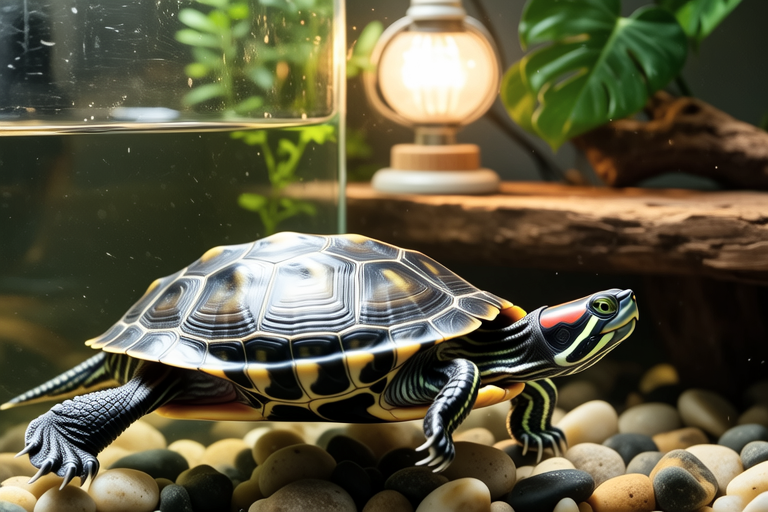
From Tank to Basking Spot: Setting Up the Perfect Home for Your Red-eared Slider
Welcome to the wonderful world of turtle ownership! Red-eared sliders (Trachemys scripta elegans) are one of the most popular pet turtles due to their striking appearance and relatively low maintenance needs. However, setting up a proper habitat is crucial for their health and longevity. In this guide, we’ll walk you through everything you need to know to create the perfect home for your red-eared slider, ensuring they thrive in their aquatic environment.
Tank Size Requirements
The first step in creating a suitable habitat for your red-eared slider is selecting the right tank size. These turtles are semi-aquatic, meaning they spend a significant portion of their time both in and out of the water. For a single adult red-eared slider, a minimum tank size of 75 gallons is recommended. This ensures ample space for swimming and allows for the necessary equipment without overcrowding. Larger tanks are even better, especially if you plan to add more turtles or other aquatic life.
Filtration Systems
Water quality is paramount for the health of your red-eared slider. A good filtration system helps maintain clean water by removing waste and debris. Choose a filter that can handle at least four times the volume of your tank per hour. Underwater filters with biological, mechanical, and chemical filtration are ideal as they remove solid waste, break down harmful chemicals, and control odors. Regular maintenance of the filter, including cleaning and replacing parts, is essential to keep it functioning optimally.
Water Quality Maintenance
Alongside a reliable filtration system, regular water changes are necessary to ensure optimal water quality. Aim to change about 25% of the water weekly. Use dechlorinated water to avoid introducing harmful chemicals. Testing the water regularly for pH levels, ammonia, nitrite, and nitrate is also important. Keeping these parameters within safe ranges supports the overall health of your turtle.
Temperature and Lighting Needs
Red-eared sliders require specific temperatures to thrive. Water temperatures should range between 75°F and 80°F (24°C – 27°C). You can achieve this using submersible heaters placed near the bottom of the tank but away from the filter intake to prevent clogging. For basking areas, ambient air temperature should be around 85°F to 90°F (29°C – 32°C). UVB lighting is crucial for vitamin D3 synthesis, which aids in calcium absorption. Install a UVB light that covers at least 50% of the basking area and replace it every six months as the bulbs lose effectiveness over time.
Basking Area Setup
A basking spot is vital for red-eared sliders to dry off, thermoregulate, and digest food properly. Create a secure, elevated platform that allows easy access in and out of the water. Use a flat rock, wood, or a commercial turtle dock. The surface should be non-slippery and large enough for your turtle to fully extend its body. Position the basking area so that it receives direct UVB light, ensuring it’s not too close to prevent overheating or too far to remain effective.
Dietary Recommendations
A balanced diet is key to keeping your red-eared slider healthy. Offer a variety of foods to ensure nutritional adequacy. Pellets formulated specifically for turtles are a great staple, providing essential nutrients. Supplement their diet with fresh vegetables such as leafy greens, carrots, and squash. Occasional treats like earthworms, mealworms, or feeder fish can also be offered but should not constitute the majority of their diet. Feed your turtle only what they can consume in 10-15 minutes once or twice daily, depending on their age and activity level.
Tips for Ensuring a Healthy Habitat
- Monitor Growth: Red-eared sliders grow rapidly during their first few years, so periodically check their growth and adjust their habitat accordingly.
- Hygiene: Keep the tank clean to prevent bacterial and fungal infections. Regularly clean the basking area and disinfect it as needed.
- Veterinary Care: Schedule routine check-ups with a veterinarian experienced in reptile care. They can provide vaccinations, check for parasites, and offer guidance on maintaining your turtle’s health.
- Behavioral Enrichment: Provide toys or floating objects to stimulate your turtle’s natural behaviors, enhancing their mental and physical well-being.
By following these guidelines, you’re setting the stage for a happy, healthy life for your red-eared slider. Remember, creating a suitable environment takes time and attention, but the rewards of watching your turtle thrive are well worth the effort. With patience and dedication, you’ll enjoy many years of companionship with your new aquatic friend.
