Scandinavian Splendor: How Norwegians Raise Their Unique Pet Species
In the heart of Scandinavia lies Norway, a land of breathtaking landscapes and a rich cultural heritage. One aspect that truly sets this Nordic country apart is its unique approach to pet ownership. From traditional methods to modern practices, Norwegians have developed a distinct way of raising their pets, influenced by the country’s climate, geography, and cultural attitudes. This article delves into the fascinating world of Norwegian pet culture, exploring the specific species popular among Norwegians, the impact of climate and geography, and the deep bond shared between humans and their furry companions.
Popular Pet Species in Norway
Norway’s diverse wildlife has inspired many Norwegians to adopt pets that reflect the country’s natural splendor. Dogs, particularly the Norwegian Elkhound and Lundehund, are incredibly popular. The Norwegian Elkhound, with its thick, grey coat, is a versatile hunting dog known for its loyalty and intelligence. The Lundehund, on the other hand, is a rare breed with unique physical characteristics, including extra toes and flexible joints, making them excellent climbers. These breeds are well-suited to the rugged terrain of Norway, thriving in the harsh winters and enjoying the lush summers.
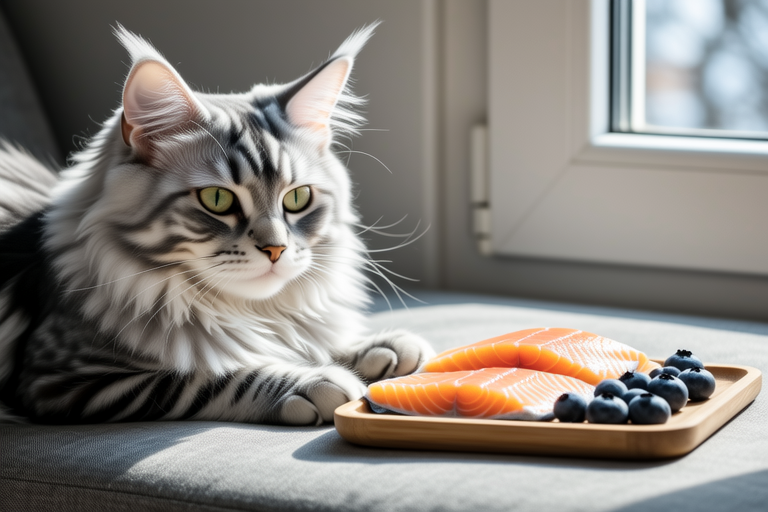
Cats also hold a special place in Norwegian homes. The Norwegian Forest Cat, with its long, silky fur and bushy tail, is a majestic creature that embodies the spirit of the Norwegian wilderness. This breed is highly adaptable, capable of surviving in the cold climates of rural Norway. Additionally, smaller breeds like the Siamese and Persian are common in urban areas, offering companionship without requiring extensive outdoor space.
Birds, especially parrots and canaries, are cherished for their vibrant colors and melodious songs. Parakeets, with their playful nature, are often kept as indoor pets, providing hours of entertainment for their owners. Canaries, on the other hand, are appreciated for their beautiful singing voices, a tradition that dates back centuries.
Traditional Methods vs Modern Practices in Pet Care
While modern pet care practices have certainly influenced Norwegian pet owners, many still adhere to traditional methods passed down through generations. Historically, dogs were used for hunting and herding, tasks that required strong bonds between animals and their handlers. Today, while hunting is less common, many Norwegians continue to train their dogs for agility and obedience competitions, maintaining these close relationships.
The rise of pet stores and veterinary clinics has brought about significant changes in pet care. Norwegian pet owners now have access to a wide range of products and services designed to enhance the health and happiness of their pets. However, the emphasis remains on responsible pet ownership, with many Norwegians choosing to spay or neuter their pets and ensuring they receive proper vaccinations.
Technology has also played a role in modernizing pet care. GPS trackers and apps that monitor pet activity levels are becoming increasingly popular, allowing owners to keep tabs on their pets’ well-being even when they’re not home. Despite these advancements, many Norwegians prefer hands-on care, spending quality time with their pets through regular walks, playtime, and grooming sessions.
The Role of Climate and Geography in Shaping Pet Ownership
Norway’s climate and geography have a profound impact on pet ownership. The long, dark winters and short, bright summers dictate much of the daily routine for both humans and their pets. In winter, many Norwegians bring their dogs inside to avoid the harsh weather, while others invest in high-quality coats and boots to protect their pets from the elements. Indoor cats are more common during these months, as they seek warmth and comfort.
The vast expanses of wilderness in Norway offer ample opportunities for outdoor activities with pets. Hiking, skiing, and camping are popular pastimes, and many Norwegians take their dogs along for these adventures. The rugged terrain and pristine lakes provide ideal settings for swimming and fetching games. The proximity to nature ensures that pets are exposed to fresh air and exercise, contributing to their overall health and well-being.
Cultural Attitudes Towards Pets
In Norway, pets are considered valued members of the family. Many Norwegians view their pets as companions and confidants, sharing their joys and sorrows. The deep bond between humans and their pets is evident in the way they are treated. Pets are often invited to participate in family events, and their needs are prioritized alongside those of human family members.
The concept of animal welfare is deeply ingrained in Norwegian culture. The government has implemented strict regulations to ensure the ethical treatment of animals, and public awareness campaigns promote responsible pet ownership. This commitment to animal welfare extends beyond domestic pets to include wildlife conservation efforts, reflecting the broader respect for all living creatures in Norwegian society.
Unique Challenges and Benefits Faced by Norwegian Pet Owners
Living in such a vast and varied landscape presents unique challenges for Norwegian pet owners. The extreme weather conditions require careful planning to ensure the safety and comfort of pets. In summer, heatstroke can be a concern, while in winter, frostbite and hypothermia are risks. Pet owners must be vigilant in monitoring their pets’ health and adjusting their routines accordingly.
Despite these challenges, there are numerous benefits to owning pets in Norway. The abundance of open spaces and natural beauty provides endless opportunities for outdoor activities. Pets can explore the countryside, swim in crystal-clear lakes, and enjoy the fresh air. The close relationship between humans and nature fosters a deep appreciation for the environment, encouraging responsible pet ownership and environmental stewardship.
Stories and Examples Illustrating the Bond Between Norwegians and Their Pets
One story that exemplifies the deep bond between Norwegians and their pets is that of a Norwegian couple who adopted a rescue dog named Loki. Loki had been abandoned and was found wandering the streets of Oslo, malnourished and scared. The couple took Loki in, providing him with love, care, and a new lease on life. Today, Loki is a beloved member of the family, accompanying his owners on hikes and participating in local dog shows. His transformation is a testament to the power of compassion and the healing nature of pets.
Another example is the annual sled dog race held in Tromsø, where teams of Norwegian Elkhounds compete against each other in a grueling race across the snowy landscape. These races not only showcase the strength and endurance of the dogs but also highlight the deep connection between humans and their canine companions. The event draws spectators from all over the world, celebrating the rich history of sled dog racing in Norway.
Conclusion
Scandinavian Splendor: How Norwegians Raise Their Unique Pet Species offers a glimpse into the fascinating world of Norwegian pet culture. From the popular pet species to the traditional methods and modern practices, the influence of climate and geography, and the cultural attitudes towards pets, this article highlights the deep bond shared between Norwegians and their furry companions. The natural beauty of Norway provides a backdrop for the unique lifestyle and activities enjoyed by pets and their owners alike. As the world continues to evolve, one thing remains constant: the unbreakable bond between humans and their pets.
