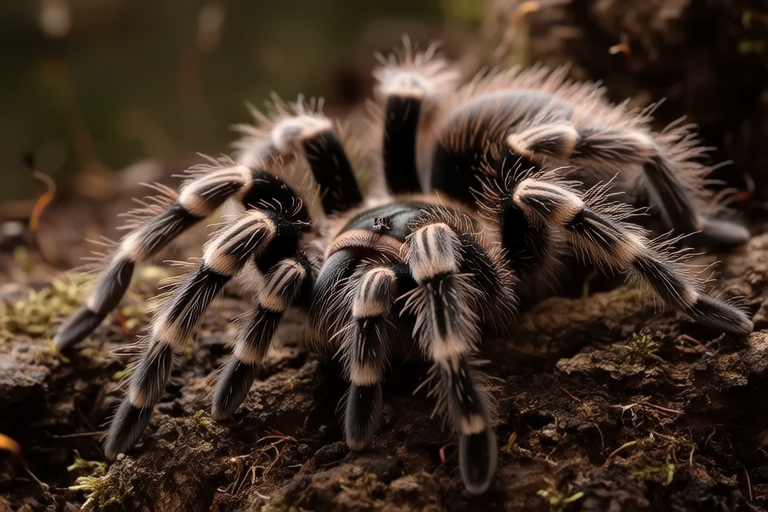
The Ultimate Guide to Caring for Your Spooky Yet Spectacular Tarantula
Welcome to the world of tarantulas! These fascinating arachnids are often misunderstood creatures that can make wonderful pets with the right care. This comprehensive guide will provide you with all the essential information needed to ensure your tarantula lives a long, healthy, and happy life.
Species Overview
Tarantulas come in a wide variety of sizes, colors, and temperaments, making them an exciting choice for any enthusiast. There are over 900 recognized species, but not all are suitable for captivity. Popular choices for pet owners include the Chilean rose hair tarantula, the Mexican redknee tarantula, and the Brazilian giant whiteknee tarantula. Each species has its unique requirements, so it’s crucial to research thoroughly before selecting your tarantula.
Habitat Setup
Enclosure Size
Proper enclosure size is vital for your tarantula’s well-being. A general rule is to provide at least five times the leg span of your tarantula in height and width. For example, if your tarantula has a leg span of 5 inches, the enclosure should be at least 25 inches tall and wide. This space allows for comfortable movement and natural behaviors.
Substrate
Choosing the right substrate is key to maintaining proper humidity levels and allowing your tarantula to dig burrows or create webbing. Suitable substrates include coconut fiber, peat moss, and vermiculite. Avoid using cedar or pine shavings as they can cause respiratory issues. The depth of the substrate should be at least twice the length of your tarantula’s body.
Temperature and Humidity
Maintaining the correct temperature and humidity is crucial for your tarantula’s health. Most species thrive in temperatures between 75°F and 85°F (24°C to 29°C) with humidity levels ranging from 60% to 80%. Use a hygrometer to monitor humidity and a thermometer for temperature. You can increase humidity by misting the enclosure or placing a water dish inside.
Diet and Feeding Habits
Tarantulas are carnivorous and primarily eat insects such as crickets, mealworms, and superworms. Feed your tarantula one appropriately sized prey item every 5 to 7 days. It’s important to gut-load the prey items by feeding them nutritious foods like fruits and vegetables before offering them to your tarantula. Remove uneaten prey after 24 hours to prevent contamination.
Handling and Interaction Guidelines
While tarantulas are generally docile, they are not recommended for handling. Their exoskeleton is delicate, and improper handling can lead to injury or death. If you must handle your tarantula, do so gently and infrequently. Always wash your hands before and after handling to avoid transferring oils or chemicals.
Health Issues and Signs of Illness
Common health issues in tarantulas include mites, regurgitation, and poor molting. Mites can be identified by tiny, moving specks on your tarantula or in the enclosure. Regurgitation occurs when your tarantula vomits up its last meal, usually due to stress or incorrect feeding practices. Poor molting can result in incomplete shedding or stuck appendages. Regular observation and prompt action can help prevent these issues.
Molting Process
Molting is a natural part of a tarantula’s lifecycle where they shed their exoskeleton to grow. During this time, your tarantula may become lethargic and refuse food. Provide a humid environment and a shallow water dish to aid the process. Do not disturb your tarantula during molting, as this can be fatal. Once the molt is complete, remove the old exoskeleton and ensure your tarantula is eating and behaving normally.
Tips for Creating a Stimulating Environment
To keep your tarantula mentally stimulated, provide hiding spots, climbing structures, and enrichment activities. You can use cork bark, artificial plants, or driftwood to create a naturalistic environment. Rotate toys and hideouts periodically to prevent boredom. Additionally, consider introducing a shallow water dish or a small, secure area for soaking.
Myth-Busting Facts About Tarantulas
Many people fear tarantulas due to myths and misconceptions. Contrary to popular belief, most tarantulas are harmless to humans and pose little threat. Their venom is mild and comparable to a bee sting. They also have excellent senses and are unlikely to attack unless provoked. Another common myth is that tarantulas are aggressive. In reality, they are quite docile and prefer to flee rather than fight.
Conclusion
Caring for a tarantula can be a rewarding experience, offering a unique glimpse into the lives of these incredible creatures. By following the guidelines outlined in this ultimate guide, you’ll be well-equipped to provide your tarantula with the best possible care. Remember to always prioritize your tarantula’s health and well-being, and enjoy the journey of learning and bonding with your spooky yet spectacular pet.
