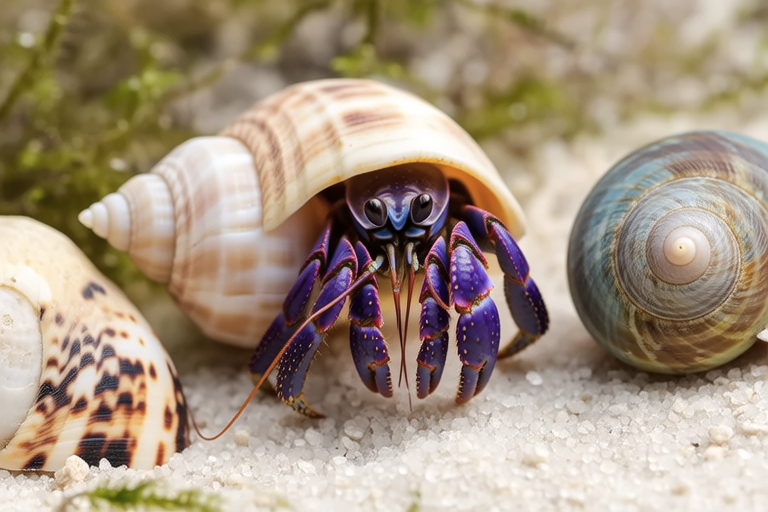
How to Choose the Perfect Shell for Your Growing Hermit Crab
Welcome to the fascinating world of hermit crabs! These unique creatures are known for their quirky habit of carrying their homes around with them. As a hermit crab owner, one of the most important aspects of caring for your pet is ensuring they have access to the perfect shell. This article will guide you through the process of selecting the ideal shell for your growing hermit crab, covering everything from understanding their preferences to introducing new shells into their environment.
Understanding Hermit Crab Shell Preferences
Hermit crabs are naturally drawn to shells that provide protection and comfort. They rely on these shells to shield themselves from predators and harsh environmental conditions. In the wild, hermit crabs often search for shells left behind by marine snails, which offer a snug fit and ample protection. When choosing a shell for your pet, it’s essential to consider several factors, including size, shape, and texture.
The Importance of Size
Size is perhaps the most critical factor when selecting a shell for your hermit crab. A shell that is too small can cause physical harm, while one that is too large may not provide adequate protection. Ideally, the shell should be slightly larger than your crab’s current body size, allowing room for growth. To determine if a shell is the right size, gently place your hermit crab inside it. The crab should be able to enter and exit the shell easily without straining. Additionally, check that the opening of the shell is wide enough for your crab to fully extend its claws and legs.
Shape Matters
The shape of a shell can also influence your hermit crab’s preference. While some crabs may favor round shells, others might prefer more elongated or angular shapes. Pay attention to your crab’s behavior when introducing new shells into their habitat. If your crab shows interest in a particular shape, it may indicate a preference. However, don’t be discouraged if your crab doesn’t immediately gravitate towards a new shape. It may take time for them to adapt to changes in their environment.
The Role of Texture
The texture of a shell can affect your hermit crab’s comfort and safety. Smooth shells are generally easier for crabs to enter and exit, reducing the risk of injury. However, some hermit crabs may prefer shells with slight ridges or patterns, as these can provide better grip and stability. Consider the surface of the shell carefully, especially if your crab has delicate claws or legs. A rough or jagged texture could cause irritation or damage.
Factors Affecting Their Choice
Several factors can influence your hermit crab’s choice of shell, including age, health, and environmental conditions. Understanding these factors can help you make informed decisions about the types of shells you should provide for your pet.
Aging and Growth
As hermit crabs grow, they outgrow their shells and need to find new ones. Providing a variety of sizes within your crab’s habitat ensures they always have options as they expand. Keep in mind that hermit crabs molt periodically, shedding their exoskeleton and growing a new one. During this time, they may be particularly sensitive to their surroundings, so offering a range of shells is crucial.
Health Considerations
Your hermit crab’s overall health can impact their shell preferences. Crabs with weakened immune systems or injuries may seek out shells that provide extra protection. Conversely, healthy crabs may be more adventurous in their choices, exploring different textures and shapes. Regularly monitoring your crab’s health and behavior can help you anticipate their changing needs.
Environmental Conditions
The temperature and humidity levels within your hermit crab’s habitat can also affect their shell preferences. Hermit crabs thrive in warm, humid environments, typically between 75-85°F (24-29°C) with humidity levels around 70-80%. If the environment becomes too dry or cold, your crab may seek out shells that offer additional insulation. Similarly, overly hot or humid conditions could lead them to choose shells that allow for better ventilation.
The Importance of Providing a Variety of Shells
Offering a diverse selection of shells is vital for the well-being of your hermit crab. Not only does it cater to their individual preferences, but it also encourages natural behaviors such as molting and exploration. By providing a variety of shells, you create an enriching environment that promotes mental and physical stimulation.
Encouraging Natural Behaviors
In the wild, hermit crabs regularly change shells as they grow or encounter damaged ones. Mimicking this behavior in captivity helps maintain your crab’s natural instincts. Introducing new shells into their habitat allows your crab to practice these essential skills, contributing to their overall happiness and health.
Mental and Physical Stimulation
Variety in shell selection can also serve as a form of enrichment, stimulating both the mind and body of your hermit crab. Exploring different textures, sizes, and shapes keeps your crab engaged and curious, preventing boredom and potential behavioral issues. Additionally, the act of selecting and moving into a new shell provides valuable exercise, strengthening muscles and improving coordination.
Safely Introducing New Shells Into the Habitat
Introducing new shells into your hermit crab’s habitat requires careful consideration to ensure the safety and comfort of your pet. Follow these steps to successfully integrate new shells:
Sanitization
Before adding any new shells to your crab’s habitat, thoroughly clean and sanitize them. Use a weak bleach solution (1 part bleach to 10 parts water) to kill any harmful bacteria or parasites. Rinse the shells thoroughly with fresh water and allow them to air dry completely before introducing them to your crab’s environment.
Gradual Introduction
To minimize stress, gradually introduce new shells into your hermit crab’s habitat. Start by placing a few new shells near existing ones, allowing your crab time to become accustomed to their presence. Over the next few days, slowly remove the old shells, replacing them with new ones. This approach gives your crab the opportunity to explore and choose a new shell at their own pace.
Monitoring Behavior
Closely observe your hermit crab’s behavior during and after the introduction of new shells. Watch for signs of distress, such as increased aggression or reluctance to explore. If your crab appears uncomfortable, temporarily remove the new shells and reintroduce them later. Patience is key when adjusting to changes in their environment.
Signs That Indicate Your Hermit Crab Needs a New Home
Recognizing when your hermit crab needs a new shell is crucial for maintaining their health and happiness. Look out for the following signs:
Outgrowing the Current Shell
If your hermit crab appears cramped or struggles to move within its current shell, it may be time to find a new one. Check for visible signs of wear or damage to the shell, as these can indicate the need for replacement.
Behavioral Changes
Changes in behavior, such as increased restlessness or frequent attempts to exit the shell, may signal discomfort. Monitor your crab closely for any unusual actions, as these could indicate dissatisfaction with their current living situation.
Health Issues
Weakness, lethargy, or other health concerns could be signs that your hermit crab requires a more comfortable or protective shell. Consult a veterinarian specializing in exotic pets if you suspect health issues.
Tips for Sourcing Suitable Shells
Whether you’re sourcing shells from natural environments or pet stores, it’s essential to prioritize quality and safety. Here are some tips for finding suitable shells:
Natural Environments
Collecting shells from beaches or tide pools can be an excellent way to provide natural, eco-friendly options for your hermit crab. Ensure that you obtain permission to collect shells in public areas and avoid taking rare or protected species. Clean and sanitize any collected shells before introducing them to your crab’s habitat.
Pet Stores
Pet stores often carry a wide variety of shells specifically designed for hermit crabs. Look for shells made from natural materials, such as seashells or wood, to ensure they are safe for your pet. Avoid painted or dyed shells, as these can contain harmful chemicals. When purchasing from a pet store, inspect the shells for cracks, chips, or other damage that could pose a risk to your crab.
