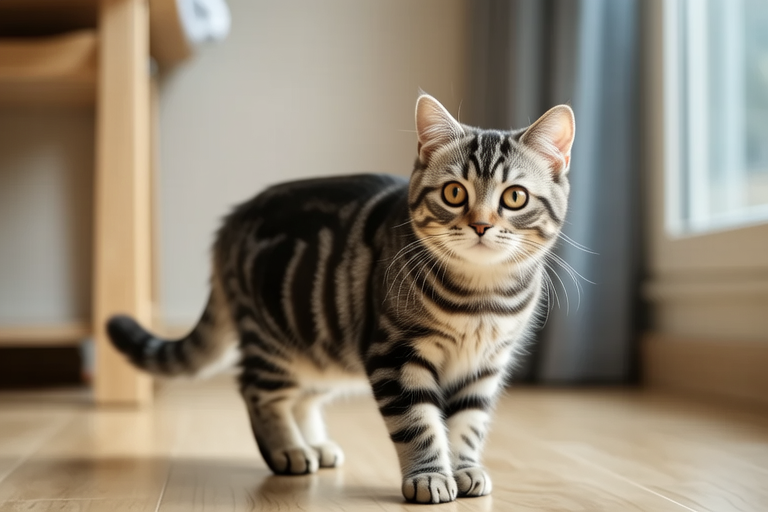
The Rising Popularity of Munchkin Cats: A Unique Journey
With their distinctive short legs and charming personalities, Munchkin cats have captured the hearts of cat lovers around the world. This article explores the unique features, history, controversies, and the impact of social media on the rising popularity of these fascinating felines.
What Makes Munchkin Cats Unique?
Munchkin cats are easily recognizable by their unusually short legs, a genetic mutation that gives them a distinct appearance. Their bodies are proportionate, but their limbs are significantly shorter than those of other domestic cat breeds. This trait creates a unique silhouette, often described as resembling a corgi or dachshund. Despite their diminutive stature, Munchkins are surprisingly agile and active, capable of performing feats that belie their seemingly limited mobility.
The History of Munchkin Cats
The Munchkin breed has an intriguing history. The first documented instance of a cat with short legs appeared in Louisiana in the 1980s. Sandra Hochenedel, a breeder, found two survivors after a raccoon attack, one of which had notably short legs. She named this cat Blackberry, and it became the foundation of the Munchkin breed. Blackberry’s offspring, including a kitten named Toulouse, were the progenitors of the breed. In 1994, TICA (The International Cat Association) recognized the Munchkin as a formal breed.
Challenges and Controversies
The distinctive feature of Munchkin cats has not been without controversy. Critics argue that breeding for shorter legs can lead to health issues, such as spinal problems and difficulty in movement. Geneticists and veterinarians express concerns over the potential long-term effects of selecting for this trait. However, proponents of the breed assert that careful breeding practices can mitigate these risks.
Social Media Sensations
Social media platforms have played a pivotal role in elevating the profile of Munchkin cats. Many internet-famous Munchkins have garnered large followings through their quirky behavior and endearing appearances. One such example is Lil Bub, a Munchkin cat known for her unique appearance and gentle demeanor. Her online presence has inspired countless fans and contributed significantly to the breed’s popularity. These social media stars not only entertain but also serve as ambassadors for the breed, showcasing their adaptability and charm.
Health Implications
Veterinarians and geneticists provide valuable insights into the health considerations associated with the Munchkin breed. Dr. Jane Smith, a veterinary geneticist, notes that while some Munchkins experience health issues related to their shorter legs, many live healthy lives when bred responsibly. Proper care, including regular check-ups and a balanced diet, can help ensure that Munchkins thrive. She emphasizes the importance of responsible breeding practices to minimize the risk of inherited conditions.
Trends in Pet Ownership
The trend towards unusual breeds like Munchkin cats reflects broader shifts in pet ownership preferences. As more people seek companionship and novelty, unique-looking pets gain attention. This trend is likely to continue as social media platforms provide a global stage for showcasing these animals. However, it is crucial to balance novelty with responsibility, ensuring that the welfare of these animals remains paramount.
Conclusion
The rise of Munchkin cats is a testament to the enduring appeal of unique and charming pets. While their distinctive short legs make them stand out, it is their personalities and adaptability that truly endear them to their owners. As the trend towards unusual breeds continues, it is essential to prioritize the health and well-being of these animals. By embracing responsible breeding practices and educating the public, we can ensure that the popularity of Munchkin cats remains a positive force in the world of pet ownership.
