Unraveling the Mystery Behind Siamese Cat’s Unique Coat Patterns
The Siamese cat is one of the most recognizable breeds in the world, renowned for its striking coat patterns and piercing blue eyes. With a sleek, slender body and a voice that can pierce through the quietest of rooms, the Siamese has captured the hearts of many cat lovers. This breed, originally from Thailand (formerly Siam), boasts a coat that is as unique as it is beautiful, featuring a light-colored body with darker points on the ears, face, paws, and tail. These distinct patterns have intrigued both scientists and cat enthusiasts for centuries, leading to extensive research and fascinating discoveries.
The Distinctive Appearance of Siamese Cats
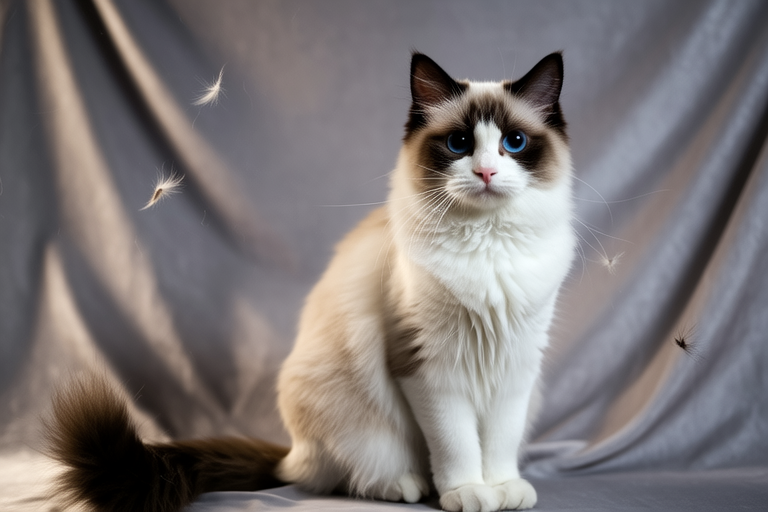
The Siamese cat’s coat pattern is its most defining feature. Typically, the body of the cat is a pale cream or white, while the extremities – the ears, paws, tail, and face – are darker, usually a shade of seal brown, blue, chocolate, or lilac. This striking contrast gives the Siamese cat its signature look, setting it apart from other breeds. The coloration is not just visually appealing but also serves a purpose, helping the cat blend into its environment, particularly in cooler areas where darker colors absorb more heat.
One of the most striking features of the Siamese cat is its almond-shaped blue eyes, which add to its ethereal appearance. These eyes are not only aesthetically pleasing but also contribute to the cat’s keen vision, making it adept at hunting. The combination of the dark points and the blue eyes creates a look that is both elegant and mysterious, adding to the allure of this breed.
Genetic Factors Behind the Coat Patterns
The unique coat patterns of Siamese cats are the result of a genetic mutation known as temperature-sensitive pigmentation. This phenomenon occurs because the enzyme responsible for producing melanin, the pigment that determines skin and hair color, does not function properly at normal body temperatures. As a result, the areas of the body that are cooler, such as the extremities, produce more melanin, leading to darker coloring.
This genetic trait is known as the Siamese allele, and it is recessive, meaning that both parents must carry the gene for it to be expressed in their offspring. This genetic quirk has fascinated scientists since its discovery, leading to numerous studies aimed at understanding the exact mechanisms behind the mutation.
Historical Beliefs and Scientific Discoveries
The history of the Siamese cat is rich with folklore and mythology, much of which revolves around its unique coat patterns. In Thailand, these cats were once considered sacred and were often kept in temples, where they were believed to possess mystical powers. It was said that the dark points on the cat’s body represented the hands of the gods, reaching down to touch the earth.
Scientifically, the first significant breakthrough in understanding the Siamese cat’s coat came in the early 20th century when researchers began to study the genetics of color inheritance. By the mid-20th century, the temperature-sensitive pigmentation theory was proposed and later confirmed through experiments involving the breeding of Siamese cats. These studies revealed that the expression of the Siamese allele was highly dependent on environmental conditions, particularly temperature.
A notable study conducted in the 1960s involved placing Siamese kittens in incubators at various temperatures. The results showed that kittens raised in warmer environments developed lighter coats, while those in cooler environments had darker points. This experiment provided strong evidence for the temperature-sensitive nature of the Siamese allele and helped to solidify our understanding of how the coat patterns develop.
Cultural Significance of Siamese Cats
The Siamese cat has played a significant role in Thai culture for centuries. In ancient times, these cats were often depicted in artwork and literature, symbolizing good fortune and protection. They were also believed to have the ability to ward off evil spirits, making them popular companions for royalty and religious figures.
In modern times, the Siamese cat has become a global sensation, thanks in part to its distinctive appearance and vocal nature. The breed has been featured in numerous books, films, and television shows, further cementing its place in popular culture. One famous example is the character of Cheshire Cat from Lewis Carroll’s “Alice’s Adventures in Wonderland,” which, while not a Siamese, shares some characteristics with the breed, including its enigmatic smile and mischievous nature.
Additionally, Siamese cats have been the subject of several scientific studies, contributing to our understanding of genetics and animal behavior. For instance, a study published in the journal “Behavioral Neuroscience” explored the relationship between the Siamese allele and the cat’s vocalizations. The research suggested that the same genetic mutation responsible for the coat patterns may also influence the cat’s communication style, making them more vocal than other breeds.
Conclusion: A Fascinating Journey
The journey to understand what makes Siamese cats stand out has been both enlightening and entertaining. From ancient folklore to modern science, the unique coat patterns of these cats have captivated people for generations. The combination of genetic mutation and environmental factors has created a breed that is not only visually stunning but also scientifically intriguing.
As we continue to unravel the mysteries behind the Siamese cat’s appearance, it is clear that this breed will remain a beloved companion and a source of fascination for cat lovers everywhere. Whether you’re a seasoned breeder or a casual admirer, there is always something new to learn about these remarkable creatures.
