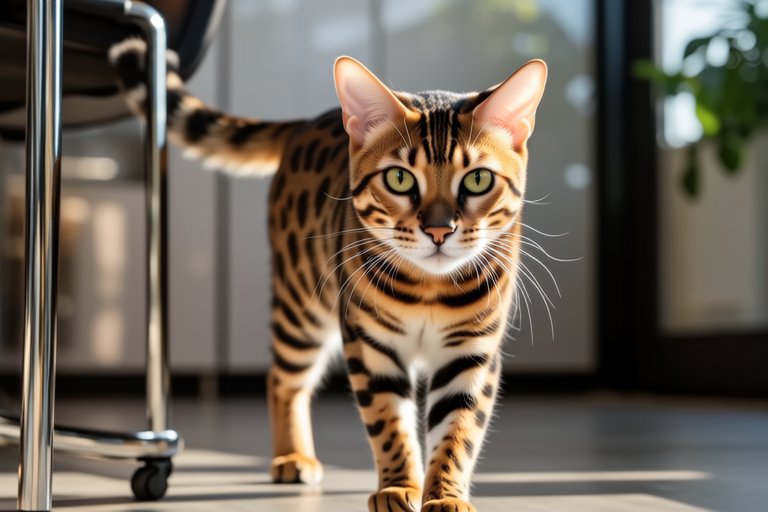
Exploring the Unique Behaviors of Bengal Cats
Bengal cats are one of the most popular and fascinating domesticated breeds. Known for their striking appearance and energetic nature, they are descendants of Asian leopard cats, giving them a wild edge that sets them apart from other domesticated felines. Understanding the behaviors of Bengal cats requires an exploration of their wild ancestry and how it shapes their domestic habits. This article will delve into their playfulness, vocal patterns, and social interactions, providing scientific insights and dispelling common misconceptions. Additionally, tips for owners on interpreting and responding to these behaviors will be offered.
The Influence of Wild Ancestry
The Bengal cat’s lineage traces back to the Asian leopard cat, a small wild feline native to Asia. This heritage contributes significantly to the breed’s unique characteristics. Their agility, curiosity, and strong prey drive are reminiscent of their ancestors. Studies have shown that Bengals retain many of the survival instincts of their wild relatives, which can manifest in their domestic environment through heightened alertness and a preference for climbing and exploring high places.
One notable study conducted by researchers at the University of California, Davis, observed that Bengal cats spend more time engaging in active play compared to other domestic breeds. This increased activity level is attributed to their wild origins, where hunting and survival skills are crucial. Owners often report that their Bengals are more likely to engage in interactive play with toys designed to mimic prey, such as feather wands or laser pointers.
Playfulness: A Reflection of Their Roots
Bengals are renowned for their playful demeanor, which is a direct reflection of their wild ancestry. They possess an inherent need to hunt and explore, traits that make them excellent companions for interactive play sessions. These cats enjoy chasing, pouncing, and batting at objects, often displaying a high level of coordination and precision.
Owners should encourage this natural behavior by providing stimulating toys and creating environments that cater to their need for mental and physical exercise. Puzzle feeders, for example, can help satisfy their hunting instincts while keeping them mentally engaged. It’s important to note that excessive play can sometimes lead to overstimulation, causing the cat to become overly excited or aggressive. Recognizing these signs and taking breaks during playtime can prevent such occurrences.
Vocal Patterns: Communicating with Their Owners
Bengals are known for their vocal communication, often making chirping, trilling, and chattering sounds. These vocalizations serve multiple purposes, including expressing excitement, seeking attention, or signaling discomfort. Unlike some other breeds, Bengal cats tend to communicate frequently with their owners, establishing a strong bond through these interactions.
Scientific research has shown that cats use different vocal patterns to convey specific messages. For instance, a soft purr might indicate contentment, while a higher-pitched meow could signal distress or hunger. Understanding these nuances can help owners better interpret their Bengal’s needs and respond appropriately. For example, if a Bengal starts chattering at the window, it may be interested in birds outside, prompting the owner to consider providing bird-watching opportunities or engaging in interactive play.
Social Interactions: Bonding with Humans and Other Animals
Bengal cats are generally sociable and enjoy interacting with their human families. They often form close bonds with their owners, seeking affection and attention. However, their wild heritage also means they can be somewhat independent and may not always require constant interaction. This balance between social engagement and independence makes them adaptable companions.
When it comes to other animals, Bengals can vary in their tolerance levels. Some may coexist peacefully with dogs or other cats, while others might display territorial behavior. Early socialization plays a crucial role in determining how well a Bengal cat interacts with other pets. Introducing Bengals to new animals gradually and under controlled conditions can help foster positive relationships.
Common Misconceptions About Bengal Cat Behavior
Despite their popularity, there are several misconceptions surrounding Bengal cat behavior. One common myth is that all Bengals are hyperactive and difficult to manage. While it’s true that they are more active than many other domestic breeds, proper training and environmental enrichment can help channel their energy positively. Another misconception is that Bengals are aloof and distant, but this couldn’t be further from the truth. With the right approach, Bengals can form deep bonds with their owners.
Scientific studies have debunked many of these myths by highlighting the importance of individual temperament and environmental factors. For instance, a study published in the Journal of Veterinary Behavior found that Bengals raised in enriched environments with ample stimulation were less likely to exhibit problematic behaviors. This underscores the significance of providing Bengals with appropriate outlets for their energy and curiosity.
Tips for Owners: Interpreting and Responding to Behaviors
To ensure a harmonious relationship with your Bengal cat, it’s essential to understand and respond effectively to their behaviors. Here are some tips for owners:
- Encourage Play: Regular play sessions are vital for Bengals’ physical and mental well-being. Use toys that stimulate their hunting instincts and rotate them periodically to maintain interest.
- Pay Attention to Vocal Cues: Learn to recognize the different vocalizations your Bengal uses and respond accordingly. For example, a soft trill might invite you to pet them, while a louder meow could indicate they need something.
- Create Enriched Environments: Provide vertical spaces, such as cat trees and shelves, to allow your Bengal to explore and climb. Incorporate puzzle feeders and treat-dispensing toys to keep them mentally stimulated.
- Be Patient During Socialization: If introducing your Bengal to other pets or new environments, take things slowly. Gradual exposure can help prevent stress and promote positive interactions.
By understanding and addressing the unique behaviors of Bengal cats, owners can create a fulfilling and enriching environment for their pets. Whether you’re a new cat owner or an experienced Bengal enthusiast, these insights will help deepen your connection with your feline companion.
