The Hidden World of Clownfish: A Journey into Their Behavior, Habitat, and Survival
Clownfish, also known as anemonefish, are some of the most recognizable and beloved creatures in the ocean. These small, vibrant fish have captivated the hearts of people worldwide, thanks to their striking appearance and fascinating behavior. This article delves into the hidden world of clownfish, exploring their behaviors, habitat preferences, and lesser-known facts about these remarkable marine inhabitants.
Symbiotic Relationship with Sea Anemones
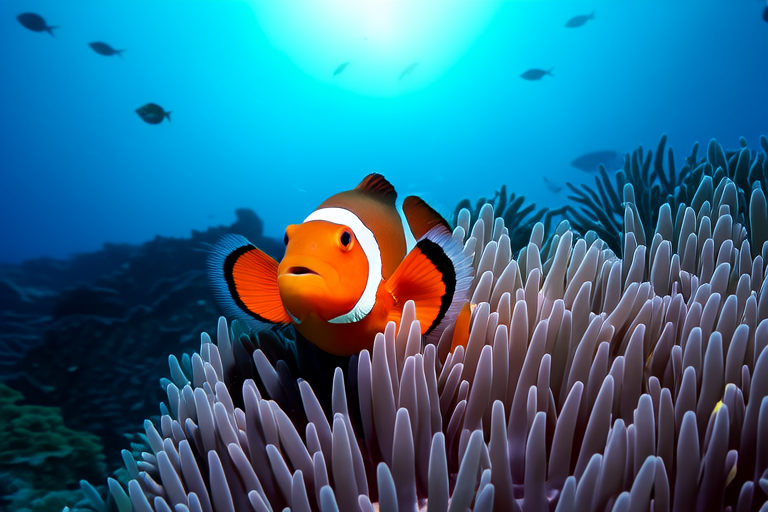
One of the most notable aspects of clownfish is their symbiotic relationship with sea anemones. This mutually beneficial partnership has evolved over millions of years, allowing both species to thrive in their shared environment. The clownfish, equipped with a protective mucus layer that prevents the anemone’s stinging cells from harming them, can safely navigate among the tentacles. In return, the clownfish offers several benefits to the anemone. They help to clean the anemone by consuming parasites and dead tentacle tissue, and their constant movement helps to circulate water around the anemone, ensuring it receives adequate oxygen. Additionally, the clownfish’s waste provides nutrients that the anemone can utilize for growth. This relationship is a prime example of nature’s ability to foster cooperation between seemingly disparate organisms.
Habitat Preferences
Clownfish are primarily found in tropical and subtropical waters across the Indo-Pacific region, from the Red Sea to the Pacific Ocean. They prefer shallow, coral reef environments where sea anemones are abundant. Coral reefs provide a rich ecosystem that supports a diverse array of marine life, offering shelter, food, and breeding grounds. Clownfish are particularly drawn to areas with strong currents, as these bring in a steady supply of plankton, which forms a significant part of their diet. The complex structure of coral reefs also provides numerous hiding spots, which are essential for the protection of clownfish eggs and juveniles.
Social Structures Within Groups
Clownfish live in close-knit groups, typically consisting of one dominant female, one dominant male, and several smaller, subordinate males. The dominant female is the largest and oldest member of the group and is responsible for laying the eggs. The dominant male is the next largest and serves as the primary caregiver to the eggs. Subordinate males play a supportive role, assisting in the care of the eggs and protecting the group from potential threats. Interestingly, if the dominant female dies, the dominant male will transform into a female, taking on the role of the new leader. This unique reproductive strategy ensures the continuation of the group and highlights the importance of hierarchy within clownfish society.
Breeding Habits
Clownfish reproduction is a fascinating process that involves elaborate courtship rituals and precise timing. During breeding season, which typically occurs during the warmer months, the dominant male will begin to prepare a nesting site near the sea anemone. He will clear away debris and create a flat surface for the eggs to be laid. Once the site is ready, the dominant female will lay her eggs, which can number in the thousands. The eggs are carefully tended to by the dominant male, who guards them against predators and aerates them by fanning his fins. After approximately seven days, the eggs hatch, releasing tiny larvae that drift with the currents before settling on the reef and joining the adult group.
Navigational Skills and Communication Methods
Clownfish possess remarkable navigational skills that allow them to find their way back to their home anemone after exploring the surrounding reef. While the exact mechanisms behind this ability are still being studied, research suggests that clownfish may rely on a combination of chemical cues, visual landmarks, and possibly even magnetic fields to orient themselves. Communication within a group of clownfish is also an important aspect of their social behavior. They use a variety of signals, including body postures, fin movements, and sounds, to convey information about danger, mating readiness, and territory boundaries. These communication methods help to maintain harmony within the group and ensure the survival of the species.
The Impact of Environmental Changes
The survival of clownfish and their sea anemone partners is increasingly threatened by environmental changes, such as climate change, pollution, and overfishing. Rising ocean temperatures can cause coral bleaching, which leads to the death of coral reefs and the sea anemones that depend on them. Pollution, particularly plastic waste and chemical runoff, can harm clownfish directly or indirectly by damaging their habitat. Overfishing not only affects clownfish populations but also disrupts the balance of the entire reef ecosystem. To protect these beautiful creatures and the intricate web of life they are part of, it is crucial to take action to mitigate the effects of environmental changes. This includes reducing carbon emissions, managing waste properly, and supporting sustainable fishing practices.
Conclusion
The hidden world of clownfish is a testament to the complexity and beauty of marine ecosystems. From their symbiotic relationship with sea anemones to their intricate social structures and remarkable navigational skills, these fish have much to teach us about the wonders of the underwater world. By understanding the challenges they face and the strategies they employ to survive, we can better appreciate the importance of protecting our oceans and the incredible diversity of life they contain. As stewards of the planet, it is our responsibility to ensure that future generations can continue to marvel at the magic of clownfish and the many other creatures that call the ocean home.
