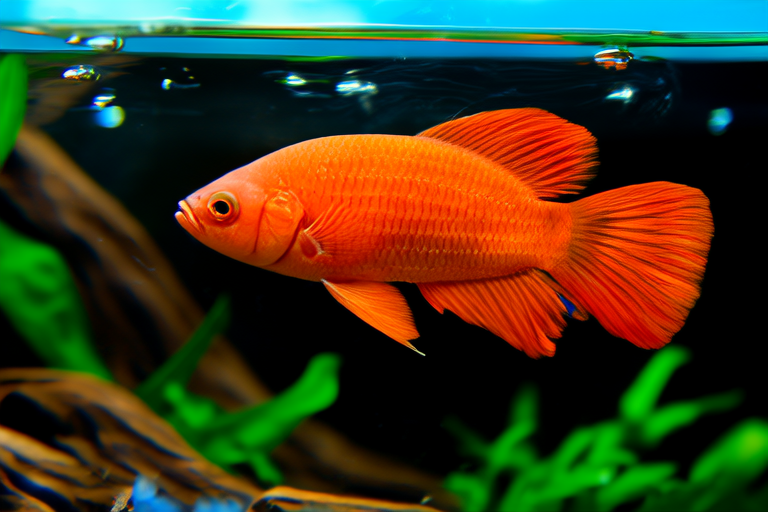
How to Keep Your Parrot Fish Happy and Healthy at Home
Welcome to the wonderful world of parrot fish care! These vibrant, semi-aggressive cichlids are popular among aquarium enthusiasts due to their stunning colors and fascinating behaviors. However, keeping a parrot fish happy and healthy requires more than just placing it in a tank. This guide will walk you through the essentials of tank setup, water quality maintenance, diet, health checks, tank mate compatibility, and enrichment activities. We’ll also cover tips for beginners and common pitfalls to avoid.
Optimal Tank Setup
The first step in ensuring your parrot fish’s happiness and health is setting up the right tank environment. A minimum of 55 gallons is recommended for a single parrot fish, with each additional fish requiring an extra 30 gallons. Larger tanks provide more swimming space and help maintain better water quality. Choose a tank with a long shape rather than a tall one, as parrot fish prefer horizontal movement over vertical.
Adequate filtration is crucial, as parrot fish produce a lot of waste. A filter that can handle at least four times the volume of your tank per hour is ideal. Additionally, include a heater to maintain a stable temperature between 78°F and 82°F (25°C and 28°C), and a thermometer to monitor it. Parrot fish thrive in slightly acidic water with a pH level between 6.5 and 7.5, so consider adding driftwood or peat moss to lower the pH if necessary.
Substrate selection is important, as parrot fish have a tendency to dig. Avoid sharp substrates like crushed coral, which can harm their delicate mouths. Instead, opt for smooth, round gravel or sand. Decorate the tank with caves, rocks, and plants to provide hiding spots and mimic the fish’s natural habitat. Live plants can be challenging due to parrot fish’s herbivorous tendencies, but hardy species like Java ferns or Amazon swords may survive.
Water Quality Maintenance
Maintaining excellent water quality is vital for your parrot fish’s well-being. Regularly test the water parameters, including ammonia, nitrite, nitrate, pH, and hardness, to ensure they stay within safe limits. Perform weekly partial water changes of about 20% to remove toxins and replenish beneficial minerals. Use a high-quality water conditioner to neutralize chlorine and chloramines before adding new water to the tank.
Parrot fish are sensitive to sudden changes in water conditions, so acclimate them gradually when introducing new water. Place the fish in a container with old tank water, then slowly add small amounts of conditioned new water over 30 minutes. Finally, transfer the fish to its new home.
Suitable Diet
Feeding your parrot fish a balanced diet is key to their health. These omnivores enjoy a variety of foods, including pellets, flakes, freeze-dried, frozen, and live options. Offer a mix of high-quality commercial pellets and flakes specifically formulated for cichlids. Supplement their diet with occasional treats like bloodworms, brine shrimp, and spirulina-enriched flakes. Vegetables such as spinach, peas, and zucchini can also be offered, though some parrot fish may not show interest.
Feed your parrot fish two to three times daily, offering only what they can consume within five minutes. Overfeeding can lead to poor water quality and obesity. Monitor your fish’s eating habits and adjust portion sizes accordingly.
Regular Health Checks
Regular health checks are essential for catching potential issues early. Observe your parrot fish daily for signs of illness, such as lethargy, loss of appetite, fin damage, or unusual behavior. Common health problems include dropsy, ich, and bacterial infections. If you notice any concerning symptoms, consult a veterinarian specializing in exotic pets or seek advice from experienced aquarists online.
Proper quarantine procedures are crucial when introducing new fish to your tank. Quarantine new arrivals in a separate tank for at least four weeks, monitoring them closely for signs of disease. Only introduce healthy fish to your main tank after confirming their wellness.
Tank Mates Compatibility
Selecting compatible tank mates for your parrot fish is critical, as they can be aggressive towards other fish. Opt for robust species that can hold their own, such as convict cichlids, green terrors, or large plecos. Avoid slow-moving or peaceful fish, as they may become stressed or injured. Research each potential tank mate thoroughly to ensure compatibility based on size, temperament, and dietary needs.
It’s important to note that while some aquarists successfully keep multiple parrot fish together, they require a very large tank and careful monitoring. Aggression among tank mates can escalate quickly, leading to injuries or death. If housing multiple parrot fish, provide ample hiding spots and caves to reduce territorial disputes.
Enrichment Activities
To stimulate your parrot fish’s natural behaviors, incorporate enrichment activities into their daily routine. Floating objects like ping pong balls or PVC pipes can provide entertainment and encourage exploration. Offer sinking treats in different areas of the tank to promote foraging. You can also place a mirror near the tank to spark curiosity, but be cautious, as this can sometimes trigger aggression.
Rotate decorations periodically to keep the tank environment interesting. Introduce new toys or rearrange existing ones to maintain novelty and prevent boredom. Encourage your parrot fish to explore and engage with their surroundings by providing a stimulating environment.
Tips for Beginners
Starting with a smaller tank is a great way to learn the basics of fishkeeping. A 29-gallon tank can house a single parrot fish comfortably, allowing beginners to focus on mastering water quality maintenance and feeding schedules. Gradually increase tank size as you gain experience and confidence.
Join local aquarium clubs or online forums to connect with fellow enthusiasts. These communities offer valuable advice, support, and resources for new and experienced aquarists alike. Don’t hesitate to ask questions or share experiences; everyone was once a beginner.
Common Pitfalls to Avoid
Avoid overcrowding your tank, as it can lead to stress and poor water quality. Provide ample space for each fish to swim freely and establish territories. Overfeeding is another common mistake, so stick to recommended portion sizes and monitor your fish’s eating habits.
Be cautious when introducing new fish or objects to the tank. Always quarantine new arrivals and acclimate them properly to avoid introducing diseases. Similarly, introduce new decorations gradually to minimize stress.
Conclusion
By following these guidelines, you’ll create a thriving environment for your parrot fish, promoting their happiness and health. Remember that each fish is unique, so pay close attention to their individual needs and behaviors. With dedication and care, your parrot fish will bring years of joy and fascination to your home.
