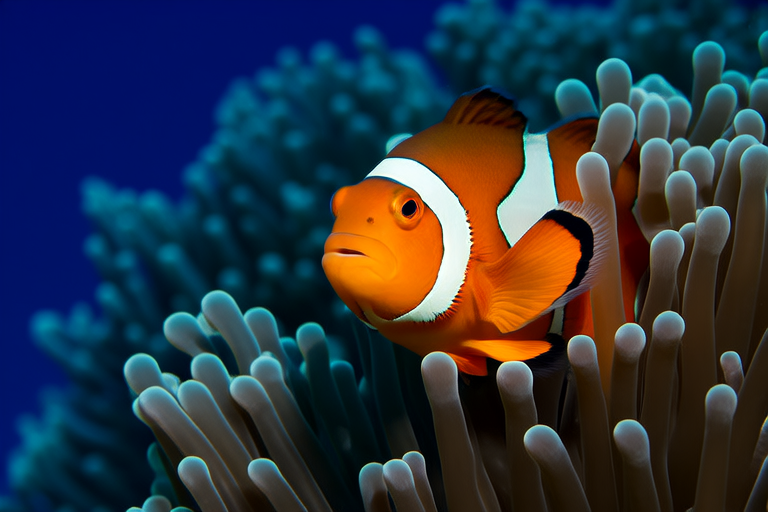
The Popularity of Clownfish: A Dive into Their Vibrant World
Clownfish have captured the hearts of many, both young and old. These small, colorful fish have become iconic figures in popular culture, thanks to their striking appearance and unique lifestyle. This article explores the reasons behind their popularity, focusing on their distinctive attributes, the impact of media, the challenges of keeping them as pets, conservation efforts, and their role in marine ecosystems.
Distinctive Attributes
One of the most striking features of clownfish is their vibrant coloration. Typically, they exhibit a mix of orange, white, and black stripes, which serve as a visual deterrent against predators. The contrasting colors also help them blend into their natural habitat, the tropical coral reefs, where they reside. Another notable attribute is their symbiotic relationship with sea anemones. This partnership is mutually beneficial, with the clownfish providing protection from herbivorous fish that might otherwise feed on the anemone, while the anemone offers shelter and food.
The Impact of Media
The release of the animated film Finding Nemo in 2003 significantly boosted public interest in clownfish. The movie follows the journey of Marlin, a clownfish father, as he searches for his son, Nemo, who was captured by divers. The film’s success brought clownfish into the spotlight, making them more recognizable and desirable. Additionally, the film highlighted the importance of marine conservation and the threats facing coral reefs, further increasing awareness and interest in these creatures.
Challenges for Pet Enthusiasts
For those considering keeping clownfish as pets, there are several challenges to be aware of. Firstly, maintaining the right water conditions is crucial, as clownfish require specific parameters to thrive. This includes stable temperature, pH levels, and salinity. Secondly, it is important to provide a suitable environment, including hiding spots and places to establish territories. Lastly, it is essential to consider the ethical implications of removing clownfish from their natural habitats for the pet trade.
Conservation Efforts and Aquariums
Several organizations are dedicated to conserving clownfish populations and protecting their habitats. These groups work towards raising awareness about the threats facing marine ecosystems and promoting sustainable practices. Aquariums play a vital role in educating the public about clownfish and their importance in marine ecosystems. They offer interactive exhibits, educational programs, and conservation initiatives to engage visitors and inspire action.
Insights into Clownfish Behavior and Breeding Habits
Clownfish exhibit fascinating behaviors and have unique breeding habits. They are monogamous, meaning they mate for life, and the female is typically larger than the male. In the wild, clownfish lay eggs on flat surfaces near sea anemones, which the male then guards until they hatch. In captivity, breeding can be challenging, requiring careful attention to water quality, diet, and environmental factors. Understanding these behaviors is essential for successful breeding and conservation efforts.
The Role of Clownfish in Marine Ecosystems
Clownfish play a vital role in maintaining the health of coral reefs. By living among sea anemones, they contribute to the overall balance of the ecosystem. Their presence helps regulate the population of smaller organisms that feed on the anemone, ensuring its survival. Furthermore, clownfish act as indicators of reef health, as their presence often signals a thriving ecosystem. Protecting clownfish and their habitats is crucial for preserving the biodiversity of coral reefs.
Conclusion
Clownfish are more than just popular pets or characters in animated films; they are integral components of marine ecosystems. Their vibrant coloration, symbiotic relationships, and unique behaviors make them captivating subjects for study and admiration. As we continue to learn more about these fascinating fish, it is essential to prioritize their conservation and the protection of their habitats. By doing so, we can ensure that future generations will have the opportunity to appreciate and enjoy these beloved creatures.
