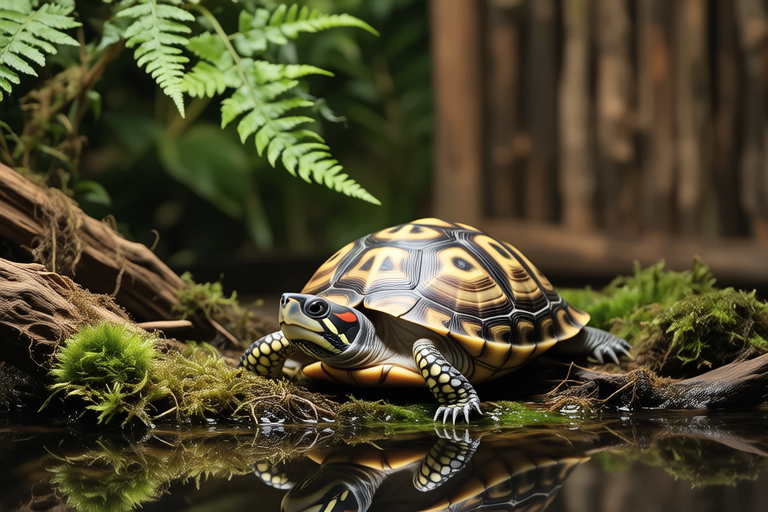
How to Create an Ideal Habitat for Your Happy and Healthy Three-Striped Box Turtle
The three-striped box turtle (Terrapene carolina triunguis) is a captivating reptile that can bring joy and fascination to your home. However, ensuring their well-being requires creating a suitable environment that mimics their natural habitat. This article will guide you through setting up an ideal habitat for your three-striped box turtle, covering enclosure size, substrate options, temperature and humidity requirements, lighting needs, hiding spots, water areas, and dietary considerations.
Enclosure Size
The first step in creating a perfect habitat for your three-striped box turtle is selecting the right enclosure. These turtles are active creatures that need ample space to move around comfortably. A minimum of 4 square feet per turtle is recommended for indoor setups, but larger enclosures are preferable. For outdoor enclosures, at least 8 square feet per turtle is advised.
For multiple turtles, it’s important to provide enough space so they don’t feel cramped or stressed. In addition to the floor space, vertical space can be utilized by adding branches or rocks for climbing. This not only provides additional exercise but also enriches their environment.
Substrate Options
Selecting the right substrate is crucial for maintaining a clean and healthy habitat. Several options are available, each with its own benefits:
- Cypress Mulch: Cypress mulch is popular due to its ability to retain moisture without becoming moldy. It also helps maintain the humidity levels necessary for your turtle’s health.
- Play Sand: Play sand is another common choice, especially for outdoor enclosures. It provides a natural texture similar to what turtles experience in the wild.
- Eco-Substrate: Eco-substrate is a mix of organic materials designed specifically for reptiles. It offers good drainage and helps regulate humidity.
- Coco Fiber: Coco fiber is lightweight and holds moisture well, making it an excellent choice for maintaining humidity levels.
Avoid using substrates like gravel, small stones, or wood shavings, as they can pose choking hazards or cause impaction if ingested.
Temperature and Humidity Requirements
Maintaining the correct temperature and humidity levels is vital for your turtle’s overall health. Here are some guidelines:
- Basking Area: The basking area should reach temperatures between 85°F and 90°F (29°C to 32°C). You can achieve this by placing a heat lamp or ceramic heater above one end of the enclosure.
- Cool Side: The cool side of the enclosure should remain between 75°F and 80°F (24°C to 27°C).
- Nighttime Temperatures: During the night, temperatures should drop slightly but remain above 70°F (21°C).
- Humidity: Aim for humidity levels between 60% and 80%. This can be achieved by misting the enclosure daily or using a humidifier.
It’s essential to monitor these conditions regularly and make adjustments as needed to ensure your turtle thrives.
Lighting Needs
Proper lighting is crucial for your turtle’s health, particularly for regulating their circadian rhythms and aiding in calcium absorption. Consider the following:
- UVB Lighting: UVB light is necessary for vitamin D3 synthesis, which helps with calcium absorption. Use a UVB bulb rated for reptiles and replace it every six months. Position the light so that it reaches the basking area.
- Full-Spectrum Lighting: Full-spectrum lights mimic natural sunlight and help maintain a consistent day-night cycle. These lights should be left on for 12-14 hours during the day.
- Heat Lamps: As mentioned earlier, heat lamps are used to create the basking area. Ensure the heat lamp is positioned correctly to avoid overheating the entire enclosure.
Always follow manufacturer instructions when setting up lighting equipment and check bulbs regularly for proper functioning.
Hiding Spots
Turtles, like many animals, benefit from having places to retreat and feel secure. Providing hiding spots in your turtle’s enclosure can reduce stress and promote a sense of security. Some ideas include:
- Inverted Flower Pots: Place large, sturdy flower pots upside down with an opening cut into them for easy access.
- Plastic Tunnels: Commercially available plastic tunnels designed for reptiles offer a cozy hideaway.
- Logs or Rocks: Arrange logs or rocks in such a way that they form natural-looking crevices or caves.
Make sure any hiding spots are stable and safe, with no sharp edges or loose parts that could harm your turtle.
Water Areas
Three-striped box turtles require access to clean water for drinking, soaking, and bathing. Here are some tips for providing adequate water areas:
- Shallow Water Bowls: Provide a shallow dish filled with fresh, dechlorinated water. The depth should allow the turtle to submerge its entire body but not be too deep to risk drowning.
- Fresh Water: Change the water daily to prevent contamination and bacterial growth.
- Outdoor Ponds: If keeping your turtle outdoors, consider creating a small pond or water feature. Ensure the pond has sloped sides for easy entry and exit.
Regular maintenance of water areas is essential to keep them clean and free from harmful bacteria.
Dietary Considerations
A balanced diet is key to your turtle’s health and longevity. Three-striped box turtles are omnivores, meaning they eat both plant matter and animal protein. Their diet should consist of:
- Vegetables: Offer leafy greens such as romaine lettuce, collard greens, and dandelion leaves. Avoid iceberg lettuce, as it lacks nutritional value.
- Fruits: Provide occasional fruits like strawberries, blueberries, and apples. Fruits should be limited to prevent obesity.
- Protein Sources: Offer insects like crickets, mealworms, and earthworms. Commercial turtle pellets can also be included in their diet.
- Vitamin Supplements: Dust their food occasionally with a reptile multivitamin containing calcium and vitamin D3 to support bone health.
Feed your turtle daily, but monitor their weight to ensure they’re not overeating. Overfeeding can lead to obesity and other health issues.
Additional Care Tips
To ensure your three-striped box turtle remains happy and healthy, consider the following care tips:
- Regular Checkups: Schedule routine visits with a veterinarian specializing in reptiles to monitor your turtle’s health.
- Grooming: Trim their nails as needed and inspect their shells for signs of injury or infection.
- Environmental Enrichment: Rotate toys and objects within the enclosure periodically to keep your turtle mentally stimulated.
- Handling: Handle your turtle gently and infrequently to minimize stress. Wash your hands before and after handling to prevent the spread of germs.
By following these guidelines, you’ll create an ideal habitat that supports your three-striped box turtle’s physical and emotional well-being.
