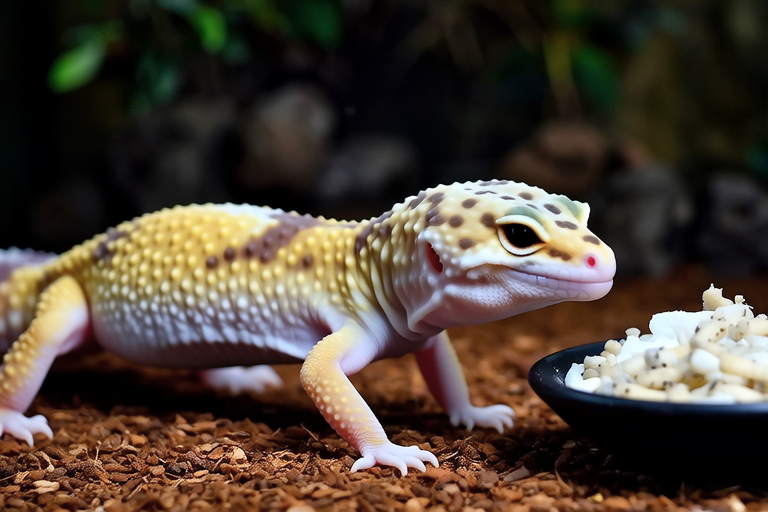
The Best Diet Tips to Keep Your Leopard Gecko Healthy and Happy
Welcome to the world of leopard geckos! These fascinating creatures have captured the hearts of many pet enthusiasts with their unique charm and relatively low maintenance requirements. However, one crucial aspect of owning a leopard gecko is understanding its dietary needs. Proper nutrition is fundamental to ensuring your gecko remains healthy, vibrant, and happy throughout its life. In this article, we will explore various diet tips that will help you provide the best care for your beloved pet.
Understanding the Importance of Nutrition
A leopard gecko’s diet directly impacts its overall health, growth, and longevity. Just like humans, geckos require a balanced intake of vitamins, minerals, proteins, and fats to thrive. An improper diet can lead to a host of health issues, including metabolic bone disease, obesity, and weakened immune systems. By providing the right foods in appropriate quantities, you can significantly enhance your gecko’s quality of life and lifespan.
Essential Nutrients for Leopard Geckos
Leopard geckos need a variety of nutrients to maintain optimal health. The primary components include:
- Proteins: Essential for muscle development and repair.
- Fats: Necessary for energy storage and hormone production.
- Vitamins: Including A, D3, E, and B-complex vitamins.
- Minerals: Such as calcium, phosphorus, magnesium, and potassium.
Making sure your gecko receives all these nutrients is key to preventing deficiencies that could compromise its health.
Recommended Live Food Insects
The cornerstone of a leopard gecko’s diet consists of live insects. The most common choices are:
- Crickets: Easily digestible and rich in protein.
- Roaches: High in fat and beneficial for breeding females.
- Waxworms: Offer extra calories but should be fed sparingly due to their high-fat content.
It’s important to note that while these insects form the bulk of your gecko’s diet, variety is key. Introducing different types of insects ensures a broader spectrum of nutrients.
Feeding Frequency
Younger geckos typically eat more frequently than adults. Here’s a general guideline:
- Newborn to juvenile geckos: Feed every day.
- Adult geckos: Feed 3-4 times per week.
Always observe your gecko’s behavior and body condition to adjust feeding schedules accordingly. Overfeeding can lead to obesity, while underfeeding might cause malnutrition.
Gut Loading and Dusting
To ensure the insects you feed are nutritious, practice gut loading and dusting. Gut loading involves feeding the insects a nutrient-rich diet before offering them to your gecko. Dusting, on the other hand, involves lightly coating the insects with a powder containing essential vitamins and minerals.
For gut loading, provide insects with fresh vegetables, fruits, and commercial gut-loading formulas. For dusting, use a high-quality calcium supplement without added vitamin D3 for juveniles and a calcium supplement with added vitamin D3 for adults.
Hydration and Calcium Supplementation
Leopard geckos obtain most of their water from the moisture in their prey. However, it’s wise to offer a shallow dish of clean water daily. Monitor the water dish regularly and replace it if it becomes dirty or depleted.
Calcium supplementation is critical for preventing metabolic bone disease. Dust the insects with calcium powder every second or third feeding. For adult females, especially during breeding periods, increase calcium supplementation to prevent egg binding.
Portion Control and Signs of Overfeeding or Malnutrition
Overfeeding can lead to obesity, which may result in reduced mobility and increased risk of health problems. Conversely, malnutrition can weaken your gecko’s immune system, making it susceptible to infections and diseases.
Signs of overfeeding include:
- Excessive weight gain.
- Lethargy.
- Difficulty moving around.
Indicators of malnutrition are:
- Weight loss.
- Brittle bones.
- Lack of appetite.
If you notice any of these symptoms, consult a veterinarian specializing in reptiles.
Adapting Dietary Needs Based on Age and Activity Level
The nutritional needs of leopard geckos change as they grow and depending on their activity levels. Juvenile geckos require more frequent feedings and higher protein intake for growth. Adult geckos need fewer meals but still benefit from a balanced diet rich in essential nutrients.
Breeding females also have special dietary needs. They require additional calcium to support egg production. Providing a varied diet that includes calcium-rich insects helps maintain their health during breeding cycles.
Inactive geckos may need less food compared to active ones. Adjust portion sizes based on your gecko’s activity level to avoid overfeeding.
Conclusion
Providing a well-balanced diet is crucial for keeping your leopard gecko healthy and happy. By understanding the essential nutrients, selecting appropriate live food insects, practicing proper feeding techniques, and monitoring your gecko’s health, you can ensure it enjoys a long and fulfilling life. Remember, each gecko is unique, so always tailor its diet to suit its individual needs.
