The Ultimate Guide to Breeding Coral Shrimp Successfully at Home
Introduction to Coral Shrimp
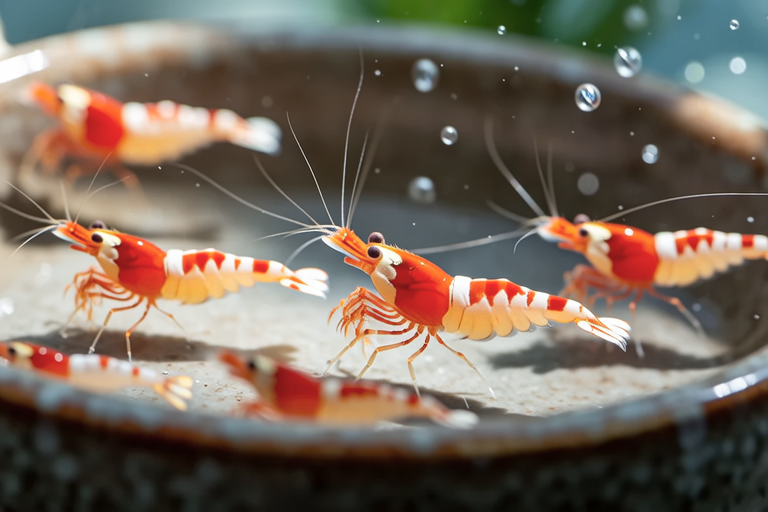
Coral shrimp (also known as cleaner shrimp) are fascinating creatures that have become increasingly popular among aquarium enthusiasts. These tiny crustaceans, typically ranging between 2-4 cm in length, are known for their vibrant colors and unique behaviors. They play a crucial role in marine ecosystems, acting as ‘cleaners’ by removing parasites and dead skin from other fish. In captivity, they can add a touch of elegance and activity to your aquarium, making them a delightful addition.
Ideal Habitat Conditions
To ensure the health and well-being of your coral shrimp, it’s essential to replicate their natural habitat as closely as possible. Coral shrimp thrive in tropical waters with specific water parameters:
- Water Temperature: Maintain a temperature range of 75-82°F (24-28°C).
- pH Level: Keep the pH level between 8.0 and 8.4.
- Salinity: Aim for a salinity level of 1.023 to 1.025, which is approximately 23-25 ppt.
- Air Circulation: Ensure adequate air circulation within the tank to maintain oxygen levels.
- Lighting: Use a full-spectrum lighting system that provides both UVB and UVA light for 8-12 hours daily.
Dietary Needs
Coral shrimp are omnivorous, feeding on algae, microorganisms, and detritus. To support their dietary needs, provide a balanced diet consisting of:
- Algae-Based Foods: Spirulina-based flakes or pellets are excellent choices.
- Microscopic Organisms: Brine shrimp, daphnia, or other small live foods.
- Detritus: Ensure there is some decaying plant matter or uneaten food for them to scavenge.
- Variety: Supplement their diet with occasional treats like frozen or freeze-dried foods.
Breeding Behaviors
Coral shrimp exhibit interesting breeding behaviors. During mating, the female selects a male based on size and coloration. After successful mating, the female carries fertilized eggs under her abdomen for approximately three weeks. Once hatched, the juveniles will swim freely in the water column before settling on the substrate.
Setting Up a Suitable Aquarium Environment
Selecting the Right Tank Size
Choose a tank size that can comfortably accommodate coral shrimp without overcrowding. A minimum of 10 gallons is recommended for a small group of shrimp.
Water Parameters
Use a high-quality water conditioner to remove chlorine and chloramines from tap water. Regularly test water parameters to ensure they remain within the ideal range.
Tank Mates Compatibility
Select tank mates carefully to avoid predation or aggressive behavior. Suitable tank mates include peaceful species like blennies, gobies, and small wrasses.
Necessary Equipment
Equip your aquarium with the following:
- Filtration System: A reliable filtration system to maintain water quality.
- Heater: A heater to maintain stable water temperatures.
- Air Pump: An air pump to enhance oxygenation.
- Lighting: Full-spectrum lighting to promote algae growth.
- Substrate: Fine sand or gravel as substrate.
- Hiding Places: Rocks, caves, and plants for shelter.
The Breeding Process
Pairing Shrimp
Introduce a group of shrimp into the aquarium, allowing them to establish territories and form pairs naturally.
Mating Rituals
During mating, observe the shrimp’s behavior; the male will deposit sperm packets onto the female’s body, which she then uses to fertilize her eggs.
Egg Care
The female carries fertilized eggs under her abdomen for about three weeks. During this time, ensure optimal water conditions and provide ample food for the female.
Hatching Juveniles
Once the eggs hatch, the juveniles will be free-swimming for a few days before settling on the substrate. Feed them with infusoria or crushed flake food until they are large enough to fend for themselves.
Troubleshooting Tips
Common issues during breeding include:
- Poor Water Quality: Regularly test and adjust water parameters to prevent ammonia spikes.
- Inadequate Nutrition: Ensure a varied and nutritious diet for all stages of development.
- Predation: Choose compatible tank mates to protect juveniles from predators.
Maintaining a Healthy Shrimp Population
To keep your coral shrimp thriving, follow these guidelines:
- Regular Maintenance: Perform routine water changes and clean the tank regularly.
- Monitor Health: Watch for signs of illness, such as lethargy or discoloration.
- Stress Reduction: Avoid sudden changes in water parameters or aggressive tank mates.
- Enhancing Lifespan: Provide a stimulating environment with plenty of hiding spots and a balanced diet.
Conclusion
Breeding coral shrimp at home can be a rewarding experience, offering insights into their fascinating lives and behaviors. By creating a suitable environment, providing proper nutrition, and addressing potential challenges, you can ensure the health and longevity of your shrimp population. With patience and care, you’ll enjoy watching your coral shrimp thrive and multiply in your aquarium.
