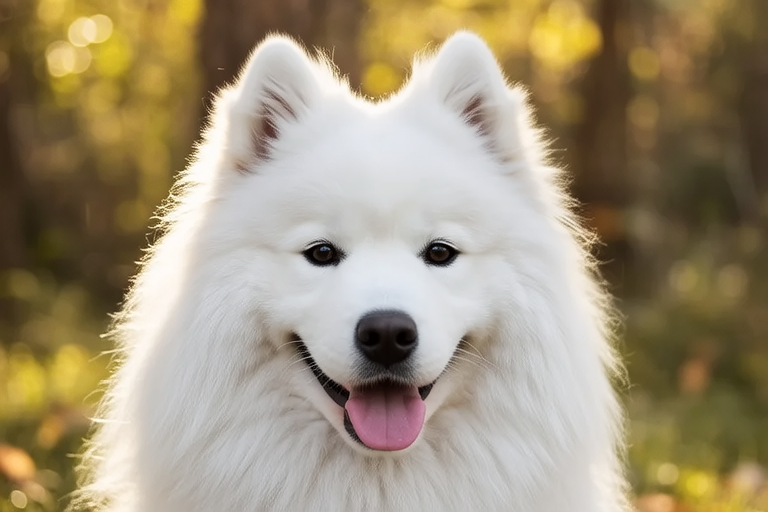
Samoyeds: Nature’s Fluffy Clouds and Loyal Companions
When you imagine a dog that looks like it just stepped out of a snow globe, the Samoyed is likely to come to mind. These fluffy, white canines have been captivating hearts for centuries with their striking appearance and gentle nature. Known as “nature’s fluffy clouds,” Samoyeds are not only visually stunning but also incredibly loyal companions. In this article, we will delve into the unique characteristics of Samoyed dogs, highlighting their fluffy coats, friendly dispositions, and historical roles. We will explore their temperament, care requirements, health considerations, and why they make excellent family pets.
A Brief History of Samoyeds
The Samoyed breed has a rich history that dates back to Siberia, where they were originally bred by the nomadic Samoyede people. These ancient dogs were used for herding reindeer, pulling sleds, and keeping their human families warm. Their versatility made them invaluable to their handlers, and their loyalty and affection toward humans set them apart from other working breeds. Today, Samoyeds are cherished as family pets around the world, but their heritage as hardworking sled dogs remains a significant part of their identity.
The Fluffy Coat: A Signature Feature
The most striking feature of the Samoyed is undoubtedly its thick, double-layered coat. The outer layer consists of long, straight guard hairs, while the undercoat is dense and soft. This combination provides excellent insulation, making Samoyeds well-suited to cold climates. Their fur is typically white, though some may have cream or biscuit-colored markings. The iconic “Sammy smile” is another charming characteristic, caused by the way their upper lip curls slightly upward, revealing their pearly whites.
Maintaining their luxurious coat requires regular grooming. Brushing your Samoyed at least twice a week will help prevent matting and remove loose hair. During shedding season, which typically occurs in the spring and fall, daily brushing may be necessary. Bathing should be done sparingly, as frequent washing can strip the coat of its natural oils. Instead, focus on spot cleaning and using dry shampoo when needed.
Friendly Disposition and Temperament
Samoyeds are known for their friendly and outgoing personalities. They are often described as the clowns of the canine world due to their playful antics and mischievous behavior. Their affectionate nature makes them excellent companions for families with children, and they tend to get along well with other pets. However, their high energy levels mean they require plenty of exercise and mental stimulation to stay happy and healthy.
Training a Samoyed can be both rewarding and challenging. Due to their independent nature, they may not always respond immediately to commands. Patience, consistency, and positive reinforcement are key when teaching your Samoyed new tricks or behaviors. Early socialization is also important, as it helps ensure that your dog grows up to be a well-adjusted and confident companion.
Care Requirements
Beyond their grooming needs, Samoyeds have specific care requirements that potential owners should be aware of. As active dogs, they thrive in environments where they have access to outdoor spaces for running and playing. Daily walks and playtime are essential for keeping them physically fit and mentally engaged. Providing toys that encourage problem-solving, such as puzzle feeders, can also help keep their minds sharp.
Samoyeds are generally healthy dogs, but like all breeds, they are prone to certain health issues. Regular veterinary check-ups are crucial for early detection and management of any potential problems. Some common health concerns include hip dysplasia, progressive retinal atrophy, and thyroid disorders. Maintaining a balanced diet and ensuring your Samoyed stays at a healthy weight can help reduce the risk of these conditions.
Health Considerations
Despite their robust appearance, Samoyeds can be susceptible to certain genetic health issues. Hip dysplasia, a condition where the hip joint doesn’t develop properly, is one of the most common problems affecting this breed. Progressive retinal atrophy, a degenerative eye disease, can also occur, leading to vision loss over time. Additionally, thyroid disorders are relatively prevalent in Samoyeds, which can cause various symptoms such as weight gain, lethargy, and skin issues.
To minimize the risk of these conditions, it’s important to choose a reputable breeder who conducts health screenings on their breeding stock. Genetic testing can identify carriers of certain diseases, allowing breeders to make informed decisions about which dogs to pair together. Regular veterinary check-ups and maintaining a healthy lifestyle can also contribute to your Samoyed’s overall well-being.
Why Samoyeds Make Excellent Family Pets
Samoyeds are not only beautiful to look at but also wonderful companions. Their loving and gentle nature makes them ideal for families with children. They enjoy being involved in family activities and are patient and tolerant of the roughhousing that often comes with having young ones around. Their friendly demeanor extends to other animals as well, making them good candidates for multi-pet households.
One of the most endearing qualities of Samoyeds is their ability to bond deeply with their families. They form strong attachments and are always eager to please their human companions. This loyalty and affection make them exceptional watchdogs, as they will alert you to any unusual activity but are unlikely to be aggressive unless provoked. Their playful spirit ensures that there’s always fun to be had, whether you’re playing fetch in the backyard or snuggling up on the couch.
Practical Advice for Potential Owners
If you’re considering adding a Samoyed to your family, there are several factors to keep in mind. First and foremost, ensure that you have the time and resources to meet their exercise and grooming needs. While their thick coats might seem daunting, regular maintenance is essential for keeping them looking their best. Additionally, be prepared for the occasional shedding period, during which you may find yourself vacuuming more frequently than usual.
Training a Samoyed requires patience and consistency. Positive reinforcement techniques, such as treats and praise, work well for encouraging good behavior. Socialization from an early age is also important, as it helps your dog become comfortable with new people, places, and situations. Finally, remember that Samoyeds are social creatures who thrive on interaction with their families. Make sure you can provide them with the attention and companionship they need to lead happy, fulfilling lives.
Conclusion
Samoyeds are truly remarkable dogs, combining beauty with brains and heart. Their fluffy coats, friendly dispositions, and loyal natures make them beloved members of many households. Whether you’re a seasoned dog owner or considering welcoming your first canine companion, a Samoyed could be the perfect addition to your family. With proper care and attention, these delightful dogs will bring joy and laughter to your home for years to come.
