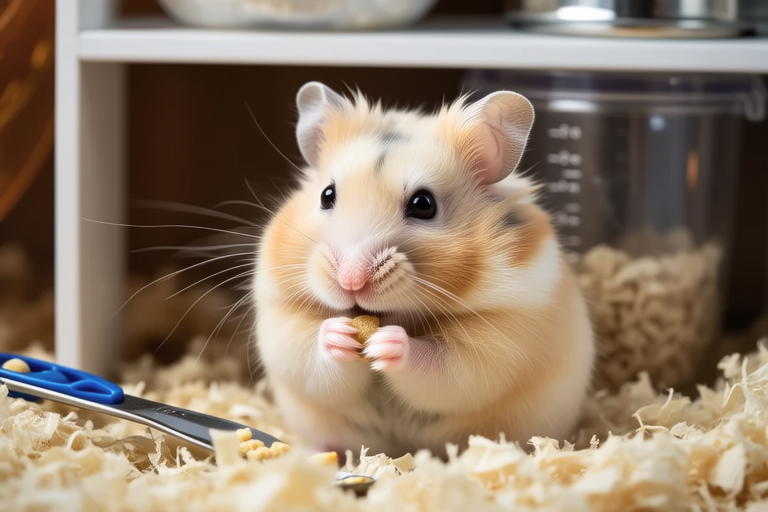
The Ultimate Guide to Keeping Your Golden Hamster Happy and Healthy
Golden hamsters make wonderful pets due to their small size, playful nature, and relatively low maintenance. However, to ensure they live long, healthy lives, it’s essential to understand their specific needs regarding diet, exercise, housing, grooming, and social interaction. This guide will provide you with all the information necessary to keep your golden hamster happy and healthy.
Golden Hamster Diet Requirements
A balanced diet is crucial for the well-being of your golden hamster. Their diet should consist of a mix of commercial hamster food, fresh vegetables, fruits, and occasional treats. Commercial hamster food provides the necessary nutrients, including proteins, fats, carbohydrates, vitamins, and minerals. Ensure that the food is specifically formulated for hamsters and avoid those containing nuts, seeds, or dried fruit as these can cause digestive issues.
In addition to commercial food, offer a variety of fresh vegetables and fruits as part of their daily diet. Suitable options include carrots, broccoli, spinach, cucumber, and apples. Remember to introduce new foods gradually to prevent digestive upset. Fruits should be given sparingly due to their high sugar content.
Occasional treats can be provided but should not exceed 10% of their total diet. Treats such as mealworms, sunflower seeds, and yogurt drops can be offered once or twice a week. Always remove any uneaten fresh foods after a few hours to prevent spoilage.
Exercise Needs
Golden hamsters are active creatures that require regular exercise to maintain good physical and mental health. Providing them with an exercise wheel is essential. Choose a solid-surfaced wheel to prevent injuries from their paws getting caught in wire mesh. The diameter of the wheel should be at least 8 inches (20 cm) to accommodate their running stride comfortably.
Additionally, enrich their environment with tunnels, chew toys, and climbing structures. These items stimulate their natural behaviors and provide mental stimulation. Rotate toys periodically to keep them interested and engaged.
Appropriate Housing Conditions
Selecting the right cage is vital for your golden hamster’s comfort and safety. A spacious cage with a minimum floor area of 4 square feet (0.37 square meters) and a height of at least 12 inches (30 cm) is recommended. Avoid cages made of wire or plastic as they may cause injury or stress. Opt for a glass or acrylic aquarium tank with a secure lid to prevent escapes.
Line the bottom of the cage with bedding material such as aspen wood shavings or paper-based products. Avoid cedar and pine shavings as they release aromatic oils that can irritate your hamster’s respiratory system. Provide a nesting box filled with soft bedding for your hamster to sleep in and hide.
Maintain a clean living environment by cleaning the cage weekly. Remove soiled bedding and replace it with fresh material. Clean the cage thoroughly using mild soap and water, then rinse and dry before adding new bedding. Ensure the cage is placed in a quiet area away from direct sunlight and drafts.
Grooming Tips
Golden hamsters are self-groomers, but there are still some grooming tasks you can assist with. Regular nail trimming is necessary to prevent overgrowth, which can cause discomfort or difficulty walking. Use small animal nail clippers and trim the nails just above the pink quick to avoid cutting into the blood vessel. If you’re unsure, consult a veterinarian for guidance.
Bathe your hamster only when necessary, as they are generally clean animals and excessive bathing can strip their skin of natural oils. Use a damp washcloth to gently wipe their fur if needed. Brush their fur occasionally to prevent matting and distribute natural oils.
Signs of Common Health Issues
Being aware of common health issues and recognizing early signs is crucial for prompt intervention. Some common health problems in golden hamsters include:
- Dental Issues: Overgrown teeth can lead to pain and difficulty eating. Signs include drooling, weight loss, and reluctance to eat. Consult a veterinarian for dental care.
- Diarrhea: Caused by dietary changes or infections. Symptoms include loose stools, dehydration, and lethargy. Adjust their diet and consult a veterinarian if symptoms persist.
- Respiratory Infections: Characterized by sneezing, wheezing, and discharge from the nose or eyes. Keep the cage clean and consult a veterinarian for treatment.
- Obesity: Excessive weight gain can lead to various health problems. Monitor their diet and encourage regular exercise.
- Wet Tail: A severe gastrointestinal infection causing diarrhea, lethargy, and a wet tail. Seek immediate veterinary care if suspected.
Regular check-ups with a veterinarian can help detect and address potential health issues early.
Advice for Social Interaction
Golden hamsters are solitary animals that prefer to live alone. Introducing two hamsters often leads to fighting and stress. However, you can interact with your hamster through gentle handling and playtime. Start by allowing them to become accustomed to your presence by sitting near their cage and speaking softly.
Once they feel comfortable, begin short handling sessions, supporting their body with one hand under their chest and the other under their hindquarters. Gradually increase the duration of these sessions as they become more relaxed. Offer treats during handling to create positive associations.
Provide toys and activities that encourage exploration and problem-solving. Rotate toys periodically to keep them engaged and mentally stimulated. Spend time observing their behavior and responding to their needs.
Conclusion
By understanding the specific needs of your golden hamster regarding diet, exercise, housing, grooming, and social interaction, you can ensure they live a long, healthy, and happy life. Regular vet check-ups, proper nutrition, and enrichment activities contribute to their overall well-being. With this guide, you’ll be well-equipped to provide the best care for your beloved pet.
