Rajah Cichlid Care Secrets: What Every Beginner Needs to Know
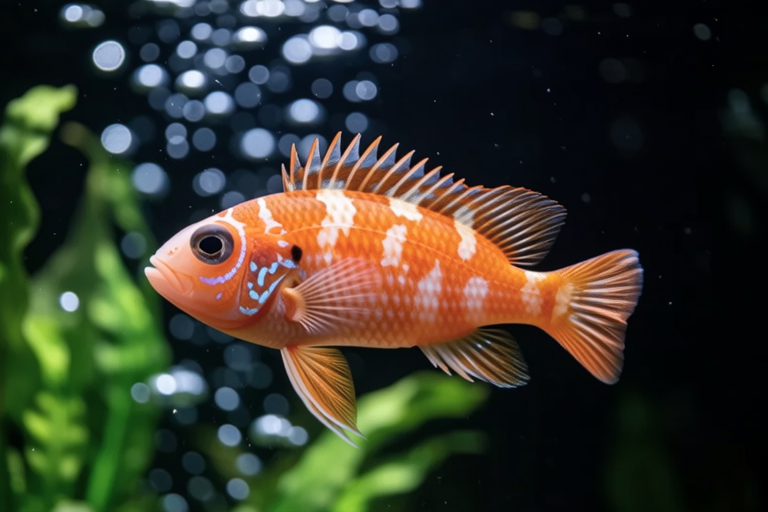
Imagine a fish with vibrant colors, bold personality, and a striking presence that instantly becomes the star of your aquarium. That’s exactly what you get with Rajah Cichlids—also known as Julidochromis regani. These small but charismatic cichlids are a favorite among beginner aquarists for their stunning appearance, manageable size, and relatively straightforward care needs. With their bright yellow or orange bodies, black markings, and confident demeanor, Rajah Cichlids bring life and energy to any tank.
Despite their popularity, many new hobbyists underestimate the importance of proper setup and routine care. This guide will walk you through everything you need to know—from choosing the right tank and maintaining ideal water conditions to feeding wisely, selecting compatible tank mates, preventing health issues, and even understanding basic breeding behavior. By following these practical tips, you’ll be well on your way to keeping a happy, healthy Rajah Cichlid for years to come.
Perfect Tank Setup: Size, Substrate, and Decor
When it comes to housing Rajah Cichlids, less is not more—especially when it comes to space. While they’re small (typically 3–4 inches long), they are territorial and active, especially during breeding or feeding times. For this reason, a minimum of a 30-gallon tank is recommended for a single Rajah Cichlid. If you plan to keep a pair or a small group, aim for at least a 55-gallon tank to give them room to establish territories without constant conflict.
Substrate: Choose a fine-grained sand or smooth gravel. Avoid rough or sharp substrates that can injure the delicate fins and mouths of these fish. A neutral-colored substrate like light brown or beige works well because it enhances their natural coloration without overwhelming the tank’s aesthetic.
Decorations: Rajah Cichlids love hiding spots and secure places to claim territory. Include plenty of caves, rock formations, and driftwood. Arrange rocks in a way that creates crevices and tunnels—this mimics their natural habitat in rocky African lakes. Use safe, non-toxic materials; avoid anything with sharp edges or loose pieces that could break off and harm the fish. Ceramic or plastic caves are excellent options since they’re durable and easy to clean.
Keep in mind that Rajah Cichlids may become aggressive toward other fish if they feel their space is threatened. Providing ample hiding spots helps reduce stress and minimizes territorial disputes. Think of your tank as a mini ecosystem where every fish has its own “home” corner.
Water Parameters: Keeping Conditions Optimal
Just like people, fish thrive in stable environments. Rajah Cichlids originate from Lake Tanganyika in East Africa, so replicating those conditions is key to their long-term health.
- Temperature: Maintain a steady temperature between 76°F and 80°F (24°C–27°C). Use a reliable aquarium heater with a built-in thermostat to prevent fluctuations. Sudden changes in temperature can stress your fish and weaken their immune system.
- pH Level: Aim for a pH range of 7.8 to 8.6. Rajah Cichlids prefer slightly alkaline water, which is typical of Lake Tanganyika. Test your water weekly using a liquid test kit for accuracy. If your tap water is too soft or acidic, consider adding a buffer like crushed coral or aragonite to raise the pH gradually.
- Hardness: Water hardness should be between 9–12 dGH (degrees of general hardness). High mineral content is essential for these fish. Again, use a test kit to monitor levels and adjust as needed with appropriate supplements.
Regular water changes are crucial. Perform a 20–25% water change every 1–2 weeks to remove waste buildup and replenish minerals. Always treat tap water with a dechlorinator before adding it to the tank. Never add untreated water—it can contain chlorine, heavy metals, and other harmful substances.
Feeding Habits: Diet, Frequency, and Portion Control
Rajah Cichlids are carnivores by nature, meaning their diet should be rich in protein. In the wild, they feed on small invertebrates and crustaceans. In captivity, you can provide a balanced diet that mimics their natural food sources.
Diet Types:
- High-Quality Pellets: Choose sinking pellets specifically formulated for African cichlids. Look for brands with real fish meal, shrimp, or krill as primary ingredients.
- Frozen Foods: Supplement pellets with frozen brine shrimp, bloodworms, or daphnia. Thaw them in a cup of aquarium water before feeding to avoid shocking the fish.
- Occasional Live Foods: Small live foods like baby brine shrimp can be offered once a week to stimulate natural hunting behaviors and boost vitality.
Feeding Frequency: Feed your Rajah Cichlid once or twice daily. Offer only what they can consume within 2–3 minutes. Overfeeding is one of the most common mistakes beginners make—and it leads to poor water quality, obesity, and digestive problems.
Portion Control: A good rule of thumb is to offer food equal to about 1% of the fish’s body weight per day. Since Rajah Cichlids are small, this usually means just a few pellets or a small pinch of frozen food per feeding. Watch how much they eat—if there’s leftover food after a few minutes, you’re giving too much.
Always feed near the bottom of the tank, where Rajah Cichlids naturally forage. Sinking pellets help ensure they get their share and reduce competition with surface-feeding fish.
Tank Mate Compatibility: Choosing the Right Friends
Rajah Cichlids are generally peaceful compared to larger, more aggressive cichlids—but they still have a strong sense of territory. Not all fish make good companions.
Good Tank Mates:
- Other Small, Peaceful Cichlids: Species like Kribensis or Apistogramma can coexist if the tank is large enough and well-decorated. However, avoid species that are overly aggressive or similar in shape and color, as this can trigger territorial fights.
- Bottom-Dwelling Fish: Corydoras catfish or Otocinclus algae eaters are excellent choices. They stay out of the way and help clean up leftover food.
- Non-Aggressive Minnows: Small, fast-swimming fish like White Cloud Mountain minnows can work if the tank is spacious and full of hiding spots.
Bad Tank Mates:
- Avoid large, boisterous cichlids like Oscars or Jack Dempseys—they can intimidate or harm smaller fish.
- Stay away from fin-nipping species like Tiger Barbs or some tetras, as Rajah Cichlids have long, flowing fins that are easily damaged.
- Do not mix Rajah Cichlids with slow-moving or shy fish that can’t defend themselves.
When introducing new fish, always do so gradually. Place the new fish in a separate container inside the main tank for a few hours so they can smell each other and adjust. Then, release them slowly into the tank. Monitor interactions closely for the first few days.
Common Health Issues and Prevention Tips
Like all fish, Rajah Cichlids can develop health problems—but many are preventable with good care.
Ich (White Spot Disease): This is one of the most common illnesses. Signs include tiny white spots on the body and fins, rapid breathing, and rubbing against objects. Prevent ich by maintaining clean water, avoiding overcrowding, and quarantining new fish for at least two weeks before introducing them to the main tank.
Fin Rot: Caused by poor water quality or injury, fin rot appears as frayed or discolored fins. Early treatment includes improving water conditions and adding a mild antibacterial medication. Prevent it by avoiding overfeeding and keeping the tank clean.
Swim Bladder Disorder: Often linked to overfeeding or poor diet, this condition causes fish to float uncontrollably or sink. Fix it by fasting your fish for 24 hours, then offering a high-fiber food like peas (shelled and boiled) to aid digestion.
Stress-Related Illnesses: Stress weakens immunity. To prevent illness, maintain stable water parameters, avoid sudden changes in lighting or noise, and ensure your fish aren’t being bullied by tank mates.
If you notice unusual behavior—such as lethargy, loss of appetite, or strange swimming patterns—act quickly. Isolate the affected fish in a quarantine tank and consult a vet or experienced aquarist if needed.
Breeding Behavior Basics: A Glimpse Into Their Reproductive Life
Rajah Cichlids are mouthbrooders, which means the female carries fertilized eggs in her mouth until they hatch. Breeding is possible in captivity and can be a rewarding experience for dedicated hobbyists.
Signs of Readiness:
- Pairing often begins with courtship displays, including color intensification and chasing.
- The female may dig shallow pits in the substrate, preparing a spawning site.
Spawning Process:
- The female lays eggs in a chosen spot (like under a rock or in a cave).
- The male fertilizes the eggs externally.
- Immediately after fertilization, the female picks up the eggs into her mouth.
- She carries them for about 2–3 weeks, protecting them from predators.
- Once the fry are free-swimming, she releases them.
During this time, the female may become more reclusive and aggressive. It’s best to leave her undisturbed unless she shows signs of distress. After releasing the fry, she may continue to guard them for several days.
To increase success, provide plenty of hiding spots and maintain excellent water quality. Feed the mother high-protein foods to support egg development. The fry can be fed infusoria, microworms, or specially prepared powdered fry food.
Maintenance Routines: Staying on Top of Tank Care
Consistent maintenance keeps your Rajah Cichlid happy and healthy. Here’s a simple weekly routine:
- Test Water Parameters: Check pH, ammonia, nitrite, and nitrate levels using a reliable test kit. Record results to track trends.
- Perform Water Changes: Remove 20–25% of the water and replace it with treated water. Clean the gravel with a siphon to remove debris and waste.
- Inspect Equipment: Check the heater, filter, and lights for proper function. Clean filter media (if reusable) according to manufacturer instructions.
- Observe Your Fish: Watch for changes in behavior, color, or appetite. Note any signs of illness early.
Monthly tasks include:
- Deep-cleaning the tank glass with an algae scraper.
- Checking and replacing filter cartridges as needed.
- Trimming live plants (if used) to prevent decay.
Remember: consistency is more important than perfection. Even small, regular efforts go a long way in maintaining a thriving aquatic environment.
Key Takeaways: What Every Beginner Should Remember
Keeping Rajah Cichlids is a fun and rewarding journey—especially when you follow these proven guidelines:
- Start Big: A 30-gallon tank is the minimum for one fish; bigger is better for pairs or groups.
- Stable Water Conditions Matter: Keep temperature between 76–80°F, pH at 7.8–8.6, and hardness at 9–12 dGH.
- Feed Smart: Offer high-protein food 1–2 times daily, and never overfeed. Stick to sinking pellets and frozen treats.
- Choose Compatible Tank Mates: Go for peaceful, similarly sized fish that won’t compete or harass your Rajah Cichlid.
- Prevent Problems: Regular water changes, testing, and observation catch issues early.
- Enjoy the Journey: Rajah Cichlids can breed in captivity—watching them spawn is a special experience!
With a little patience, attention, and care, your Rajah Cichlid will thrive. They’re not just beautiful fish—they’re lively companions that bring joy to your home. By creating a stable, enriching environment, you’re not just keeping fish—you’re building a living aquarium ecosystem.
Now that you know the secrets, it’s time to set up your tank, pick out your fish, and enjoy the colorful world of Rajah Cichlids. Your aquarium adventure starts today.
