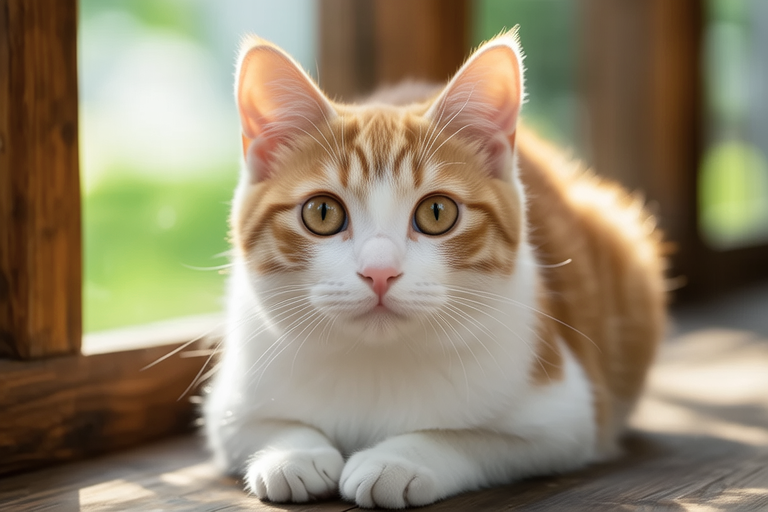
From Curiosity to Cozy Companions: The Unforgettable Munchkin Cat Experience
Imagine a cat that looks like it’s perpetually mid-hop, with legs so short they seem to defy gravity—and yet, moves with such joyful confidence, you can’t help but smile. Meet the Munchkin cat: a breed as endearing in appearance as it is in spirit. With their stubby little legs, big expressive eyes, and hearts full of curiosity, these pint-sized felines have stolen the hearts of cat lovers around the world. But beyond their undeniable cuteness lies a rich story, a vibrant personality, and a unique lifestyle that makes owning a Munchkin not just a pet experience—but a cherished chapter in your life.
The Birth of a Beloved Breed: A Tale of Unexpected Origins
It all began in the early 1990s in Louisiana, where a stray cat named “Sookie” caught the attention of a local woman named Karen Sausman. Sookie wasn’t like other cats—her legs were noticeably shorter than average. Intrigued by her unusual gait and boundless energy, Karen took her in and soon discovered that Sookie had a rare genetic trait known as chondrodysplasia—a condition that results in shortened limbs. Instead of viewing it as a flaw, Karen saw something extraordinary.
She began breeding Sookie with other cats, hoping to preserve this distinctive look. Over time, the offspring—short-legged, spirited, and irresistibly cute—became known as Munchkin cats. The name itself was inspired by the fictional characters from L. Frank Baum’s “The Wizard of Oz,” where the Munchkins are small but bold and cheerful. It was a fitting tribute to the breed’s joyful nature.
Though initially met with skepticism and even controversy—some questioned whether the breed should exist due to its genetic uniqueness—the Munchkin quickly won over hearts with its playful charm and adaptability. Today, recognized by major cat registries worldwide, the Munchkin is more than just a novelty—it’s a beloved companion with a legacy built on love, resilience, and joy.
What Makes a Munchkin Tick? The Physical Charm and Personality
Let’s talk about those legs. Munchkin cats don’t walk like typical cats—they glide, waddle, or hop with a kind of determined grace that never fails to amuse. Their short stature gives them a comical, almost cartoonish appearance, but don’t be fooled. These cats are agile, clever, and surprisingly athletic. They’ve mastered the art of climbing (using their long torsos and strong front limbs), leaping onto counters, and even playing fetch with enthusiasm.
But it’s not just their looks that captivate. Munchkins are known for their lively, affectionate personalities. They’re social butterflies who thrive on interaction. Whether it’s curling up on your lap during a movie night, following you from room to room, or greeting you at the door with a chirpy meow, Munchkins are always eager to be part of your world.
They’re also incredibly intelligent. Many Munchkins learn tricks quickly—opening doors, using puzzle feeders, or even walking on a leash. Their curiosity drives them to explore every corner of your home, often leading to hilarious moments when they try to squeeze into places they shouldn’t (like inside boxes or under couches).
One owner shared a touching story about her Munchkin, named Peanut, who would sit on the windowsill each morning, waiting for her to wake up. “He’d nudge my hand with his head, then stare at me like he was saying, ‘Well? Are we going to start the day?’” she laughed. “I swear, he treated me like his personal alarm clock.” That’s the magic of a Munchkin—you’re not just sharing your home; you’re sharing your daily rhythm.
Living with a Munchkin: What You Need to Know
While Munchkins may look like they’re built for lounging, they’re actually quite active. They need mental stimulation and physical playtime to stay happy and healthy. Set aside 20–30 minutes each day for interactive toys, laser pointers, or feather wands. Puzzle feeders are excellent for keeping their minds sharp, especially if you work from home and want to keep them entertained while you focus.
Because of their short legs, Munchkins may struggle with high surfaces. While many can still climb shelves and cat trees, they might prefer lower platforms or ramps. Consider investing in a cat tree with multiple levels and gentle slopes, or use step stools to help them reach favorite spots. Some owners even create cozy nooks with soft blankets and low perches—perfect for napping and observing the world below.
Grooming is straightforward. Munchkins come in both shorthaired and longhaired varieties, so care needs vary slightly. Short-haired Munchkins require brushing once a week to remove loose hair and distribute natural oils. Longhaired Munchkins need brushing two to three times a week to prevent matting, especially around the tail and hindquarters.
Diet is another important consideration. Like all cats, Munchkins benefit from a balanced diet rich in animal protein. Avoid feeding them table scraps or human food, which can lead to weight gain and digestive issues. High-quality commercial cat food—preferably grain-free and formulated for active cats—is ideal. Portion control matters, too. Munchkins tend to be enthusiastic eaters, so monitor their intake to prevent obesity, which could put extra strain on their joints.
Health and Longevity: Caring for Your Little Friend
One of the most common concerns people have about Munchkin cats is whether their short legs affect their health. The good news? Most Munchkins live long, healthy lives. The genetic mutation responsible for their short legs—chondrodysplasia—is not linked to severe skeletal deformities or pain in the way some might assume. In fact, many Munchkins move with ease and agility, showing no signs of discomfort.
That said, responsible breeding practices are essential. Reputable breeders screen their cats for joint issues and avoid breeding cats with severe developmental problems. As a future owner, always ask to see health clearances and meet the parents if possible.
Regular vet check-ups are crucial. Monitor for signs of arthritis later in life—though rare, it can occur. Keep your Munchkin at a healthy weight, provide joint-supportive supplements if recommended by your vet, and ensure their environment is safe and accessible. No sharp corners, slippery floors, or high ledges without proper support.
With proper care, Munchkins typically live between 12 and 16 years—sometimes longer. One sweet story comes from a couple in Oregon whose Munchkin, named Tootsie, celebrated her 15th birthday with a custom cake made of tuna and chicken. “She looked at us like she knew exactly what was happening,” the owner said. “And then she licked the plate clean. Still the queen of the house.”
A Bond Like No Other: Real-Life Moments with Munchkin Cats
Munchkin cats don’t just enter your home—they become part of your family. Their loyalty and emotional intelligence shine through in everyday interactions. There’s something deeply touching about a cat who follows you down the hallway, sits beside your chair during phone calls, or gently paws at your hand when you’re feeling sad.
Consider the story of a young man named James, who adopted a Munchkin named Oliver after losing his job and struggling with depression. “I didn’t think I could take care of anything,” he said. “But Oliver showed up, jumped right onto my lap, and started purring like he knew I needed him.” Over time, Oliver became James’s constant companion—waking him up with a gentle head butt, sitting beside him while he worked, and even nudging him toward the window when the weather was nice.
“He didn’t fix my life,” James admitted. “But he reminded me that there’s still joy in small things—like a warm body curled up next to you, or a quiet moment of connection with a creature who believes in you unconditionally.”
These bonds aren’t just heartwarming—they’re transformative. Munchkin cats bring laughter, comfort, and a sense of purpose. They teach us patience, presence, and the beauty of simple companionship.
Why Munchkins Are More Than Just Cute—They’re Companions for Life
When you welcome a Munchkin cat into your life, you’re not just getting a pet—you’re gaining a friend with a unique perspective on the world. Their short legs may make them look like they’re always mid-jump, but their spirits are fully grounded in love, curiosity, and joy.
They remind us that differences aren’t flaws—they’re features. That being small doesn’t mean you can’t be bold. That happiness isn’t measured by height or speed, but by the depth of connection, the warmth of a purr, and the quiet moments of shared stillness.
Whether you’re a seasoned cat lover or someone considering your first feline companion, the Munchkin offers something special: a blend of humor, affection, and heart. They fit seamlessly into families, singles, retirees, and busy professionals alike. They adapt to apartments, houses, and everything in between. And no matter your lifestyle, they’ll find a way to bring light into your days.
In a world that often feels rushed and disconnected, Munchkin cats offer a pause—a chance to slow down, laugh at a funny hop, and feel the quiet comfort of a tiny creature who’s chosen you as their person.
