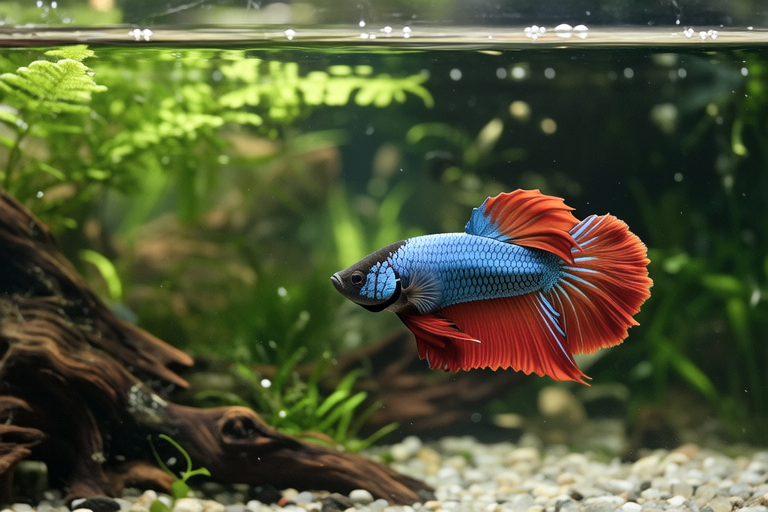
DIY Guide for Aquascaping Tailored for Betta Fish Owners
Welcome to your comprehensive DIY guide for creating an exquisite aquatic environment for your betta fish. Proper aquascaping is essential for the health and happiness of your betta, providing a stimulating habitat that mimics their natural surroundings. A well-designed tank not only enhances the aesthetic appeal but also ensures optimal water quality, promoting longevity and vibrant coloration in your fish.
Essential Materials for Betta Aquascaping
Substrate Types
The choice of substrate plays a crucial role in the overall appearance and functionality of your betta tank. Consider the following options:
- Gravel: Available in various sizes and colors, gravel provides stability for plants and a natural look. Opt for fine gravel to prevent ingestion by your betta.
- Sand: Fine sand offers a smooth surface that encourages beneficial bacteria growth and supports delicate plant roots. It also creates a serene, beach-like ambiance.
- Pebbles: Large pebbles can add texture and depth to your tank while preventing your betta from digging. Ensure they are rounded to avoid injury.
Plants (Real or Artificial)
Plants are vital for oxygenating the water and providing hiding spots for your betta. Choose wisely to ensure they are non-toxic and suitable for small spaces.
- Real Plants: Opt for low-maintenance species such as Java Fern, Anubias, and Cryptocoryne. These plants thrive in low light conditions and require minimal trimming. Ensure they are free from pesticides and algae.
- Artificial Plants: High-quality plastic plants offer durability and ease of cleaning. Look for flexible stems and soft leaves to prevent damage to your betta’s fins. Choose realistic-looking plants to maintain visual appeal.
Decorations
Enhance your betta tank with decorations that provide enrichment and visual interest. Consider:
- Driftwood: Driftwood adds a natural element and promotes bacterial growth. Ensure it is pre-treated and free from tannins that could stain the water.
- Plastic Castles: Plastic castles or caves offer hiding spots and stimulate your betta’s natural behavior. Select structures with smooth edges to prevent fin nips.
- LED Lighting: LED lights not only illuminate your tank but also highlight the vibrant colors of your betta. Choose lights with adjustable brightness and color temperatures to suit your preferences.
Equipment
To maintain optimal water conditions, invest in high-quality equipment:
- Filtration System: A gentle filter prevents water stagnation and maintains water clarity. Choose a filter with adjustable flow rates to accommodate your betta’s preference for slow-moving water.
- Heater: Betta fish prefer warm water between 76°F and 82°F. A reliable heater ensures consistent temperature, promoting your betta’s health and comfort.
- Air Pump: An air pump with a diffuser stone oxygenates the water, ensuring your betta receives adequate oxygen. Regularly check the air pump to prevent clogs.
Step-by-Step Instructions for Setting Up Your Betta Tank
Step 1: Prepare the Tank
Begin by thoroughly cleaning the tank and all accessories. Rinse them under running water and use a mild detergent to remove any residues. Avoid using soap or chemicals that may be harmful to your betta. Once clean, rinse everything again with fresh water.
Step 2: Add Substrate
Evenly distribute the chosen substrate across the bottom of the tank. For gravel or sand, gently pour it in layers to prevent displacement. If using pebbles, arrange them in a visually appealing pattern. Ensure there are no sharp edges that could harm your betta.
Step 3: Install Equipment
Position the filter, heater, and air pump outside the tank. Connect the necessary tubing and ensure all connections are secure. Place the filter intake near the top of the tank to create a gentle water flow. Position the heater at one end of the tank to allow for temperature gradients.
Step 4: Decorate the Tank
Arrange driftwood, plastic castles, and other decorations to create hiding spots and visual interest. Place taller structures towards the back of the tank to create depth and perspective. Ensure there are open swimming areas for your betta to explore.
Step 5: Plant the Tank
For real plants, carefully insert the roots into the substrate, ensuring they are securely anchored. Trim any excess leaves to prevent overcrowding. For artificial plants, insert the stems into the substrate or use plant weights to secure them in place. Arrange the plants to create a balanced composition, considering height, color, and texture.
Step 6: Introduce Water
Fill the tank with dechlorinated water, slowly pouring it over a plate or cup to avoid disturbing the substrate. Check the water level and adjust the equipment accordingly. Test the water parameters, including pH, ammonia, nitrite, and nitrate levels, to ensure they are within safe ranges.
Step 7: Acclimate Your Betta
Before introducing your betta, acclimate them to the new environment by floating the bag in the tank for 15-20 minutes. Gradually add small amounts of tank water to the bag every 5 minutes. After acclimation, gently release your betta into the tank, ensuring they swim freely without stress.
Plant Care and Maintenance Tips
Maintaining healthy plants is essential for the overall health of your betta tank. Follow these tips:
- Trimming: Regularly trim dead or yellowing leaves to promote new growth and prevent the spread of disease. Use clean, sharp scissors to make precise cuts.
- Feeding: Fertilize your plants with liquid fertilizers or root tabs to encourage robust growth. Follow the manufacturer’s instructions for dosing and frequency.
- Monitoring: Keep an eye on plant health and remove any signs of pests or algae. Clean the tank glass regularly to prevent algae buildup.
Selecting Colors and Themes
Choose colors and themes that complement the vibrant hues of your betta fish. Consider:
- Blue and White: This classic combination highlights the iridescent blue tones of your betta, creating a serene and elegant atmosphere.
- Red and Green: Red and green contrast beautifully with the deep reds and oranges of your betta, adding warmth and energy to the tank.
- Natural Woodland: Incorporate shades of brown, green, and tan to mimic a forested environment, enhancing the natural beauty of your betta.
Water Quality Management and Equipment Maintenance
Regularly monitor water parameters and perform partial water changes to maintain optimal conditions. Test the water weekly for pH, ammonia, nitrite, and nitrate levels. Perform 20-30% water changes every two weeks, using dechlorinated water.
Check the filter, heater, and air pump monthly for proper functioning. Clean the filter media and replace carbon pads as needed. Inspect the heater for cracks or leaks and replace it if necessary. Clean the air pump and tubing to prevent clogs and ensure adequate oxygenation.
By following this comprehensive DIY guide, you can create a stunning and functional aquatic environment for your betta fish. With proper care and maintenance, your betta will thrive in a beautiful and enriching habitat.
