Golden Retrievers Unleashed: Training Tips Every Owner Needs
Welcome to the world of Golden Retrievers, one of the most beloved and popular dog breeds globally. Known for their friendly and outgoing nature, these dogs have captured the hearts of many families. Their intelligence, loyalty, and affection make them ideal companions, whether you’re a first-time pet owner or an experienced handler. This article will guide you through essential training tips that every Golden Retriever owner needs to know, from basic obedience to managing their high energy levels.
Introduction: The Popularity and Temperament of Golden Retrievers
Golden Retrievers have been a favorite among families for decades. Their gentle demeanor and eagerness to please make them excellent family pets. They are not only beautiful but also highly trainable, which makes them suitable for various roles, including therapy, service, and search-and-rescue work. However, their success as pets and working dogs is heavily dependent on proper training and socialization. Understanding the breed’s characteristics is crucial for providing the right environment and care.
Basic Obedience Training
Training your Golden Retriever begins with establishing clear communication and boundaries. Basic commands like ‘sit,’ ‘stay,’ ‘come,’ and ‘leave it’ are fundamental. Start training early, ideally when your puppy is between 8 to 12 weeks old. Use positive reinforcement, such as treats and praise, to encourage desired behaviors. Consistency is key; ensure all family members use the same commands and rewards. Training sessions should be short (5-10 minutes) and frequent to maintain your puppy’s attention span.
Socialization Techniques
Socialization is crucial for a well-rounded Golden Retriever. Expose your puppy to different environments, people, and animals to build confidence and prevent fear-based aggression. Begin socialization early, around 3 months of age, and continue throughout their life. Arrange playdates with other vaccinated puppies and introduce your dog to various stimuli, such as sounds, surfaces, and scents. Always supervise interactions to ensure they remain positive experiences.
Housebreaking Methods
Housebreaking can be challenging, but with patience and consistency, your Golden Retriever can learn quickly. Establish a routine, taking your puppy outside at regular intervals, especially after meals, naps, and playtime. Choose a specific spot for potty breaks and use a command like ‘go potty.’ Reward successful potty breaks with treats and praise. Clean accidents thoroughly to avoid encouraging repeat behavior. Crate training can help manage accidents inside the home, as most dogs prefer not to soil their sleeping area.
Strategies for Managing High Energy Levels
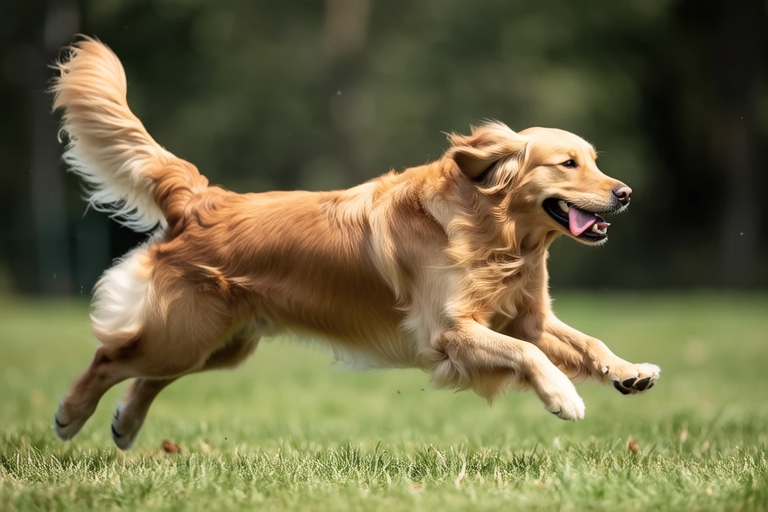
Golden Retrievers are energetic and require regular exercise to stay healthy and happy. Daily walks, runs, and play sessions are necessary to burn off excess energy. Engage them in activities like fetch, swimming, and agility training to keep their minds active. Consider enrolling them in obedience classes or sports like flyball or dock diving to channel their enthusiasm into productive outlets. Providing mental stimulation alongside physical exercise helps prevent boredom-related behaviors like chewing and digging.
Maintaining Mental Stimulation
In addition to physical exercise, mental stimulation is vital for keeping your Golden Retriever engaged and content. Puzzle toys, treat-dispensing devices, and interactive games can challenge their problem-solving skills. Teach new tricks or engage in scent work to tap into their natural hunting instincts. Rotate toys periodically to maintain interest and prevent boredom. Mental engagement not only keeps your dog happy but also strengthens the bond between you and your pet.
Common Behavioral Issues and Solutions
Like any breed, Golden Retrievers may exhibit certain behavioral challenges. Excessive barking, chewing, and separation anxiety are common issues. Address barking by identifying triggers and teaching the ‘quiet’ command. Redirect chewing by offering appropriate chew toys and praising good choices. For separation anxiety, gradually increase time away from your dog, leaving them with comforting items like a favorite toy or blanket. Consulting a professional trainer or behaviorist can provide tailored solutions for persistent problems.
Continuous Learning and Adaptation
Training your Golden Retriever is an ongoing process that requires continuous learning and adaptation. Stay updated on the latest training techniques and tools. Join local dog clubs or online forums to connect with fellow owners and share experiences. Be open to adjusting your approach based on your dog’s individual needs and responses. Remember, patience and persistence are key to building a strong, loving relationship with your Golden Retriever.
In conclusion, owning a Golden Retriever is a rewarding experience that comes with responsibilities. By understanding their unique traits and implementing effective training methods, you can ensure a happy, well-adjusted companion. Embrace the journey of learning and growing together, and enjoy the countless moments of joy and companionship your Golden Retriever brings into your life.
