Poodle Parenting 101: Essential Tricks and Training Techniques
Introduction to Poodles
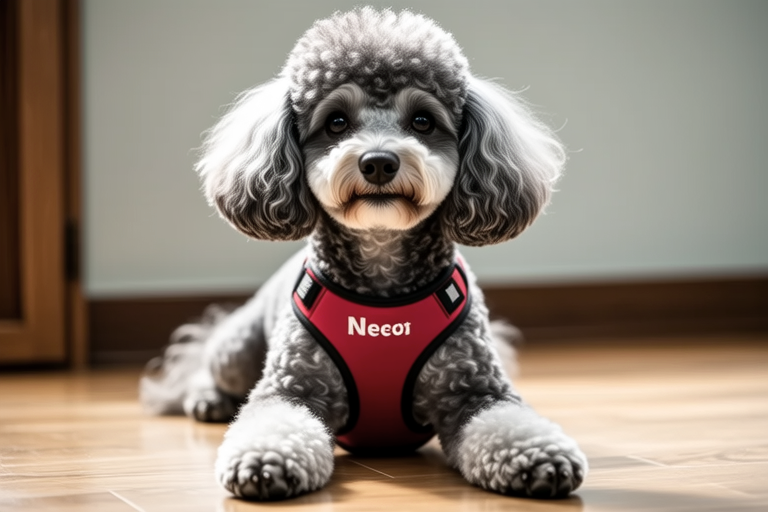
The Poodle is a highly intelligent and energetic breed known for its elegant appearance and versatility. Originally bred as water retrievers, Poodles have evolved into popular companion dogs with a wide range of sizes: standard, miniature, and toy. Their high intelligence makes them quick learners, but it also means they need plenty of mental stimulation to prevent boredom. Poodles are typically friendly, loyal, and affectionate, making them excellent family pets. However, their high energy levels require regular physical activity to keep them healthy and happy.
Basic Care
Grooming Needs
Poodles have a unique curly coat that requires regular grooming to prevent matting and tangling. Professional grooming every 6-8 weeks is recommended, though some owners opt for clipping between sessions. At home, brushing the coat daily can help maintain its condition. Regular ear cleaning and nail trimming are also essential to prevent infections and discomfort.
Dietary Requirements
A balanced diet rich in protein, vitamins, and minerals is crucial for maintaining a Poodle’s health. High-quality dog food specifically formulated for their size and age is ideal. Avoid overfeeding to prevent obesity, which can lead to joint problems and other health issues. Consult your veterinarian for personalized dietary recommendations based on your Poodle’s specific needs.
Exercise Routines
Poodles thrive on regular exercise to burn off excess energy and keep their minds engaged. Daily walks, playtime in a secure yard, and interactive games are great ways to keep them active. Mental stimulation through puzzle toys or obedience training can also help satisfy their intellectual curiosity.
Health Considerations
Regular veterinary check-ups are important for monitoring your Poodle’s health. Common health issues include hip dysplasia, Addison’s disease, and certain skin conditions. Providing a healthy diet, routine exercise, and prompt medical attention can help prevent many of these problems.
Early Socialization
Early socialization plays a critical role in shaping a well-rounded and confident Poodle. Introducing your puppy to various environments, sounds, and people from an early age helps them become comfortable in different situations. Positive experiences during this period can reduce fearfulness and aggressive tendencies later in life. Gradual exposure to new stimuli, combined with praise and treats, reinforces good behavior and builds trust.
Basic Training Commands
- Sit: Start by holding a treat above your Poodle’s head, guiding them into a sitting position. As they sit, say “sit” and reward with the treat and praise.
- Stay: Begin with short intervals, gradually increasing duration. Use a verbal command like “stay” while extending your hand palm-out. Return and reward after they’ve successfully stayed.
- Come: Call your Poodle’s name followed by “come.” Reward them immediately upon returning. Consistency is key; always use the same word and tone.
- Down: Encourage your Poodle to lie down by holding a treat close to their nose and slowly moving it towards the ground. Once they lie down, say “down” and reward.
Advanced Tricks
Once your Poodle has mastered basic commands, you can move on to teaching more advanced tricks. Fetching, rolling over, and playing dead are fun activities that strengthen the bond between owner and pet. For example, to teach fetch, throw a ball or toy and encourage your Poodle to retrieve it. Reinforce the action with praise and treats each time they bring the item back.
Common Challenges
- Separation Anxiety: Provide comfort items, establish a predictable routine, and offer interactive toys to keep them occupied when alone.
- Barking: Identify triggers and address them calmly. Teach alternative behaviors like ‘quiet’ or ‘speak’ on command.
- Destructive Behavior: Ensure sufficient exercise and mental stimulation to channel excess energy positively. Redirect unwanted behavior with appropriate chew toys.
Training Tips
Positive reinforcement is key in training your Poodle. Use treats, praise, and affection to reward desired behaviors consistently. Patience and consistency are vital; avoid punishment, as it can lead to fear and aggression. Treats or toys can be effective rewards, but remember to use them sparingly to avoid weight gain.
Conclusion
Proper training and care are essential for ensuring a happy, well-adjusted Poodle. By providing consistent, positive reinforcement and addressing common challenges proactively, you can foster a strong bond with your furry friend. Remember, a well-trained Poodle not only makes a wonderful companion but also contributes positively to family life and community interactions.
