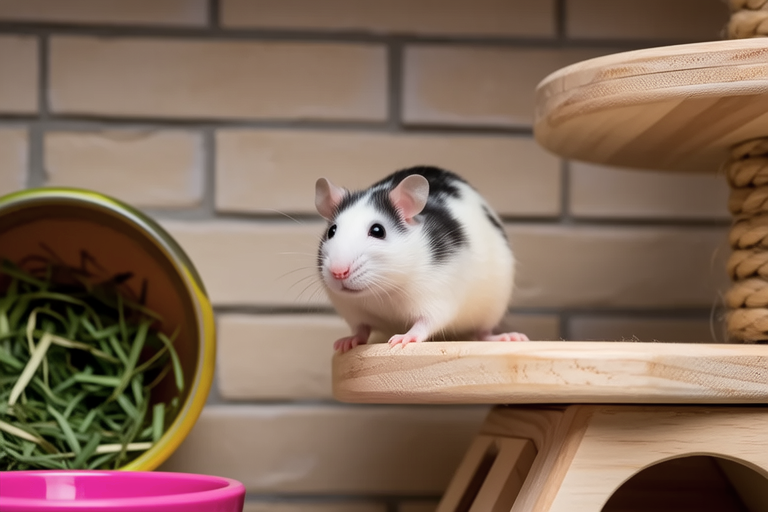
How To Create The Ultimate Home For Your Fancy Rat
Selecting the Right Cage Size and Type
Fancy rats are social creatures that thrive in spacious environments. When choosing a cage, consider its dimensions and design. A minimum of 24 inches in height, 24 inches in width, and 36 inches in length is recommended for one or two rats. For three or more rats, a larger cage is ideal. Avoid cages with wire flooring as it can cause foot injuries; instead, opt for solid flooring.
Wire cages provide adequate ventilation but ensure the spacing between wires does not allow your rat to squeeze through. Multi-level cages offer more space and vertical exploration opportunities, making them excellent choices for active rats. Plastic or glass enclosures can be used if they have proper ventilation and are large enough.
Essential Bedding Materials
The bedding material you choose plays a crucial role in your rat’s comfort and health. Avoid cedar and pine shavings due to their aromatic oils, which may irritate your rat’s respiratory system. Instead, use paper-based bedding, recycled paper products, or aspen shavings. These options are safer and less likely to cause health issues.
Bedding should be changed regularly to maintain cleanliness and prevent ammonia build-up. Aim to clean the bedding at least once a week or more frequently if needed. Provide soft nesting materials such as tissue paper or fleece blankets for your rats to burrow into and make nests.
Proper Ventilation
Ventilation is vital for your rat’s respiratory health. Ensure the cage has adequate air circulation by choosing a cage with good ventilation. Avoid placing the cage in areas with direct drafts or extreme temperatures. Maintain a comfortable room temperature between 68°F and 79°F (20°C and 26°C). Monitor humidity levels and aim for 40% to 70%. Use a hygrometer to measure humidity accurately and adjust accordingly.
Necessary Toys and Accessories for Mental Stimulation
Toys and accessories are essential for keeping your fancy rat mentally stimulated and entertained. Provide chew toys made from safe materials like untreated wood, cardboard, or rope. Rats enjoy digging, so include sand baths or dig boxes filled with clean sand or shredded paper. Ladders, tunnels, and hammocks encourage physical activity and exploration.
Rotate toys periodically to keep your rat engaged and interested. Ensure all toys are safe and free from small parts that could be swallowed. Offer hideouts or shelters where your rat can retreat and feel secure. This helps reduce stress and promotes a calm environment.
Safe and Nutritious Food Options
A balanced diet is crucial for your rat’s overall health. Provide a high-quality commercial rat food that meets their nutritional needs. Supplement their diet with fresh vegetables and fruits, ensuring variety and moderation. Safe vegetables include carrots, broccoli, spinach, and bell peppers. Appropriate fruits are apples, bananas, and blueberries.
Limit sugary treats and avoid foods harmful to rats, such as chocolate, caffeine, alcohol, and avocado. Fresh water should always be available in a spill-proof bottle or bowl. Replace water daily and clean the container regularly to prevent bacterial growth.
Appropriate Exercise Equipment
Rats require regular exercise to maintain their physical and mental well-being. In addition to toys within the cage, provide out-of-cage time for supervised play. Use an exercise wheel designed specifically for rats to prevent injury. Choose wheels with a solid surface and smooth edges.
Provide ramps, platforms, and tunnels for climbing and exploring. Supervise your rat during out-of-cage activities to ensure their safety. Regular exercise helps prevent obesity and promotes healthy muscle development.
Maintaining Hygiene and Cleaning Schedules
Maintaining a clean living environment is essential for your rat’s health. Develop a consistent cleaning schedule to remove waste, replace soiled bedding, and disinfect the cage. Clean the cage thoroughly every two weeks, removing all bedding and accessories. Disinfect surfaces with a pet-safe cleaner and rinse thoroughly before replacing bedding.
Regularly wash water bottles and food dishes to prevent bacterial growth. Monitor your rat’s health closely and address any signs of illness promptly. Proper hygiene practices contribute to a longer and healthier life for your fancy rat.
Temperature and Humidity Preferences
Temperature and humidity levels significantly impact your rat’s comfort and well-being. Maintain a comfortable room temperature between 68°F and 79°F (20°C and 26°C). Avoid placing the cage near windows, radiators, or air conditioning units to prevent temperature fluctuations.
Monitor humidity levels and aim for 40% to 70%. Use a hygrometer to measure humidity accurately and adjust accordingly. Proper temperature and humidity control help prevent respiratory issues and skin problems.
Introducing New Rats to the Environment
Introducing new rats to each other requires patience and careful planning. Start by separating the rats with a divider in the same cage to allow them to get accustomed to each other’s scent. Gradually increase interaction time, ensuring supervision to prevent fighting.
Once the rats seem comfortable, introduce them to a neutral environment outside the cage for further socialization. Monitor their interactions closely and intervene if aggression occurs. Allow the rats to establish a hierarchy naturally without interference.
Common Mistakes to Avoid When Setting Up Their Home
Avoid overcrowding the cage with too many rats, as this can lead to stress and aggression. Provide enough space for each rat to have their own territory. Do not use toxic bedding materials like cedar or pine shavings. Ensure proper ventilation and avoid placing the cage in drafty areas.
Do not overfeed your rats or provide excessive treats. Limit sugary snacks and avoid harmful foods. Regularly monitor and adjust temperature and humidity levels to maintain optimal conditions. Address any signs of illness promptly and seek veterinary care if necessary.
