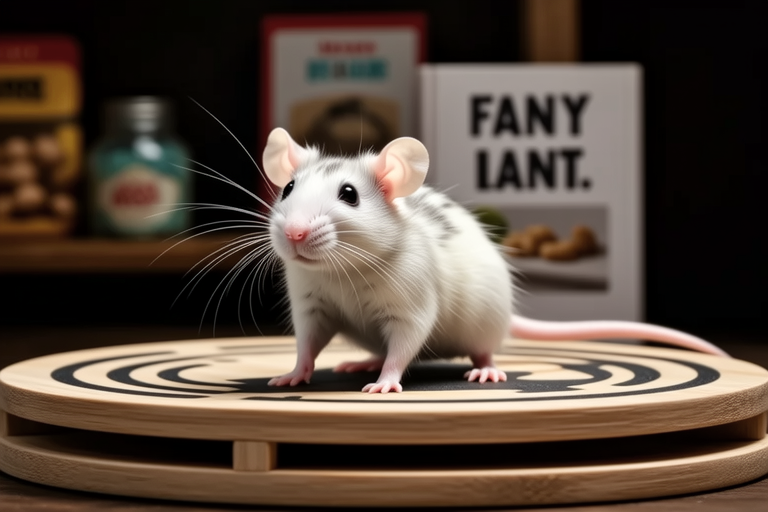
The Ultimate Guide: How to Train Your Fancy Rat Tricks Easily
Understanding Basic Rat Behavior
Fancy rats, also known as domesticated rats, are highly intelligent and social animals. They are naturally curious and can learn new behaviors quickly with the right encouragement. Rats are crepuscular creatures, meaning they are most active during dawn and dusk, which makes these times ideal for training sessions.
Rats are social animals that thrive in pairs or groups. They are very communicative and can express a range of emotions through their body language. For instance, a happy rat might wag its tail or grind its teeth (a behavior known as bruxing). Understanding your rat’s behavior is crucial for effective training.
Essential Training Supplies
- Treats: Use small, healthy treats such as pieces of fruit, vegetables, or specially formulated rat treats. Avoid sugary or fatty foods.
- Toys: Interactive toys can stimulate your rat’s mind and keep them engaged during training sessions.
- Training Clicker: A clicker helps mark the exact moment your rat performs the desired behavior, making it easier for them to understand what you want.
- Reward Container: A small container to store your treats and keep them easily accessible during training.
- Safe Environment: Ensure the training area is free from distractions and hazards. Rats are agile but can still get injured if not careful.
Step-by-Step Instructions for Teaching Simple Tricks
Sitting Up
- Start with a treat: Hold a small piece of food just above your rat’s head.
- Wait for the behavior: As your rat tries to reach the treat, they will naturally sit up on their hind legs.
- Click and reward: The moment your rat sits up, click the clicker and give them the treat.
- Repeat: Practice this several times daily until your rat consistently sits up on command.
Come When Called
- Choose a command word: Decide on a word or phrase you’ll use every time you call your rat, such as “come.”
- Use treats: Stand in one spot and call your rat’s name followed by the command word. Reward them immediately when they come to you.
- Practice in different locations: Once your rat is reliable at home, try practicing in other areas of the house to reinforce the behavior.
- Gradually increase distance: Start by calling your rat from a short distance, then gradually increase the distance over time.
Tips for Positive Reinforcement
Positive reinforcement is key to successful rat training. It involves rewarding your rat for good behavior, which encourages them to repeat that behavior in the future. Here are some tips:
- Consistency: Always use the same command words and gestures to avoid confusing your rat.
- Timing: Click and reward the desired behavior within seconds of it happening.
- Variety: Mix up the types of rewards to keep your rat interested and motivated.
- Praise: Combine treats with verbal praise to strengthen the bond between you and your rat.
Common Challenges and Solutions
Even with the best intentions, training can sometimes be challenging. Here are some common issues and how to address them:
Lack of Interest
If your rat seems disinterested, try shortening the training sessions and increasing the frequency. Also, ensure the environment is quiet and free from distractions.
Overstimulation
Rats can become overwhelmed by too much stimulation. If your rat becomes stressed or anxious, take a break and try again later.
Not Responding to Commands
Ensure your commands are clear and consistent. Sometimes, rats may need more time to associate the command with the action. Be patient and continue practicing.
Advice on Maintaining a Consistent Training Schedule
Consistency is vital for effective training. Here are some tips to help you maintain a regular training routine:
- Set a schedule: Choose specific times each day for training sessions and stick to them as closely as possible.
- Keep sessions short: Rats have shorter attention spans than humans, so aim for 10-15 minute sessions.
- Make it fun: Incorporate playtime into your training to keep both you and your rat engaged.
- Track progress: Keep notes on your rat’s progress to stay motivated and adjust your training approach if needed.
