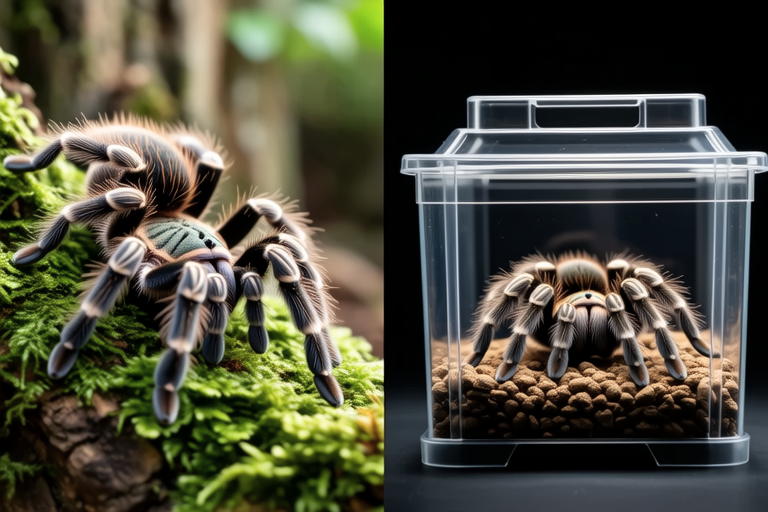
Tarantulas in the Wild vs. as Pets: What You Need to Know
When it comes to fascinating creatures, tarantulas stand out with their unique appearance and intriguing behaviors. These large spiders are found across various parts of the world, from deserts to rainforests. While many people might be familiar with tarantulas from movies or documentaries, fewer understand the differences between these arachnids in their natural habitat and those kept as pets. This article explores the contrasts between tarantulas in the wild and as pets, offering insights into their behavior, care requirements, and ethical considerations.
Wild Tarantulas: A Closer Look at Their Natural Habitat
In the wild, tarantulas inhabit diverse environments, including deserts, grasslands, and tropical forests. Their behavior and habitat preferences vary widely depending on the species. For instance, desert-dwelling tarantulas like the Mexican red-knee tarantula thrive in hot, dry climates, while arboreal species such as the pinktoe tarantula prefer humid, forested areas.
Wild tarantulas spend most of their time in burrows or tree hollows, where they remain hidden during the day and emerge at night to hunt. They rely on their keen senses, particularly their vibrations and chemical receptors, to detect prey. Insects, small vertebrates, and even other spiders form part of their diet. Tarantulas in the wild face numerous predators, including birds, mammals, and other larger spiders, which makes them adept at defending themselves through camouflage, speed, and venomous bites.
Tarantulas as Pets: Care Requirements and Considerations
Keeping tarantulas as pets has become increasingly popular over recent years. However, responsible ownership requires understanding their specific needs. Unlike their wild counterparts, pet tarantulas live in controlled environments that must replicate their natural habitats as closely as possible.
Diet is one of the most critical aspects of tarantula care. In captivity, tarantulas can be fed a variety of insects, including crickets, mealworms, and dubia roaches. The size of the prey should match the spider’s body dimensions to ensure proper digestion. It’s important to gut-load the insects with nutritious food before feeding them to the tarantula. Additionally, providing occasional calcium supplements can help maintain the spider’s health.
Space needs vary based on the tarantula species. Generally, a terrarium measuring at least three times the leg span of the spider is recommended. For example, a tarantula with a leg span of 6 inches would require a terrarium of at least 18 inches in length. The enclosure should also have appropriate hiding spots, such as cork bark or artificial caves, to mimic the natural burrowing behavior of the spider.
Temperature and humidity preferences differ among tarantula species. Desert-dwelling species like the Mexican red-knee tarantula prefer temperatures around 75-85°F (24-29°C) and lower humidity levels, typically between 30-50%. In contrast, tropical species like the pinktoe tarantula need higher humidity levels, around 70-80%, and slightly cooler temperatures, approximately 70-75°F (21-24°C). Maintaining the correct environment is crucial for the tarantula’s health and longevity.
Legalities of Owning Tarantulas as Pets
Before acquiring a tarantula, it’s essential to research local regulations regarding exotic pet ownership. Some regions prohibit or heavily restrict the keeping of certain tarantula species due to conservation concerns or public safety. Always check with local authorities or consult a reputable breeder to ensure compliance with laws.
Additionally, obtaining tarantulas from reputable sources is vital to avoid contributing to the illegal wildlife trade. Many wild-caught tarantulas may carry parasites or diseases, making them less suitable as pets. Breeding facilities provide healthy, captive-bred specimens that are more likely to thrive in a home environment.
Potential Health Risks and Ethical Considerations
While tarantulas generally pose little risk to humans, handling them requires caution. Most tarantulas have venomous fangs, though their venom is usually mild and only dangerous to individuals with severe allergies. Handling should be minimized to reduce stress on the spider and prevent accidental injury.
Ethical considerations play a significant role in tarantula ownership. Ensuring that tarantulas are obtained from ethical sources and provided with adequate care is paramount. Owners should commit to the long-term care of their pet, understanding that tarantulas can live for several decades. Responsible ownership also involves being prepared for unexpected situations, such as veterinary care or finding a new home for the spider if necessary.
Advice for Prospective Owners
If you’re considering adopting a tarantula as a pet, take the time to educate yourself about the species you’re interested in. Researching care requirements, potential challenges, and ethical considerations will help you make an informed decision. Joining online communities or forums dedicated to tarantula enthusiasts can provide valuable support and information.
Remember, tarantulas are not low-maintenance pets. They require consistent attention to their environmental conditions, diet, and overall well-being. If you’re committed to providing a suitable environment and care, owning a tarantula can be a rewarding experience. However, if you’re unsure about the responsibility, consider alternative pets that better suit your lifestyle.
Resources for further learning include books, articles, and videos focused on tarantula care and biology. Websites such as the American Tarantula Society offer comprehensive guides and forums for discussion. By staying informed and engaged, you can ensure that your tarantula thrives in its new home.
Conclusion
Tarantulas, whether in the wild or as pets, are captivating creatures with unique behaviors and care requirements. Understanding the differences between these two environments is crucial for responsible pet ownership. By providing a suitable habitat, proper diet, and attentive care, you can ensure that your tarantula remains healthy and happy. Remember, owning a tarantula is a long-term commitment that requires dedication and knowledge. With the right approach, caring for a tarantula can be an enriching and rewarding experience.
