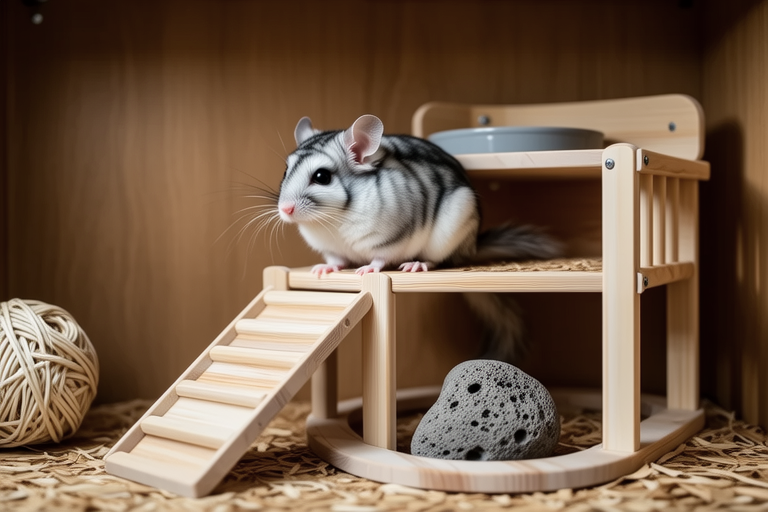
The Ultimate Guide to Creating the Perfect Habitat for Your Chinchilla
Chinchillas are adorable, fluffy rodents that require specific care to thrive. Creating the perfect habitat for your chinchilla involves understanding their unique needs and providing an environment that promotes health, happiness, and longevity. This guide will cover everything from choosing the right cage to ensuring proper hygiene and safety.
Selecting the Right Cage Size and Type
The first step in creating a perfect habitat for your chinchilla is selecting the right cage. Chinchillas are active creatures, so they need ample space to move around comfortably. A minimum cage size of 36 inches wide by 24 inches deep by 24 inches high is recommended for a single chinchilla. However, larger cages provide more room for exercise and exploration, which can help prevent boredom and obesity.
When choosing a cage, opt for one made of wire with small openings (no larger than 1 inch by 1/2 inch). The wire construction allows for better air circulation, which is crucial for chinchillas’ respiratory health. Avoid cages made of plastic or wood, as these can easily be chewed and damaged by your chinchilla’s strong teeth. Additionally, ensure that the cage has multiple levels, as chinchillas enjoy climbing and jumping.
Placement of the cage is also important. Choose a quiet area away from direct sunlight, drafts, and excessive noise. Direct sunlight can cause overheating, while drafts can lead to respiratory issues. Maintain a consistent temperature and avoid placing the cage near windows, doors, or heating/cooling vents.
Essential Bedding Materials
The choice of bedding material is critical for your chinchilla’s comfort and well-being. Shredded paper, aspen shavings, and kiln-dried pine shavings are all suitable options. Avoid cedar and pine shavings, as they contain aromatic oils that can irritate your chinchilla’s respiratory system and skin. Additionally, avoid corn cob bedding, as it can become moldy and attract pests.
Bedding should be changed regularly to maintain cleanliness and reduce odors. Aim to change the bedding at least once a week, or more frequently if it becomes damp or soiled. When changing the bedding, thoroughly clean the cage to remove any remaining debris and disinfect it with a pet-safe cleaner.
Proper Temperature and Humidity Control
Maintaining the appropriate temperature and humidity levels is vital for your chinchilla’s health. Chinchillas are native to the Andes Mountains in South America, where temperatures range from cool to cold, and humidity is low. Therefore, they prefer cooler environments and are sensitive to heat and high humidity.
The ideal temperature range for a chinchilla’s habitat is between 60°F and 70°F (15°C to 21°C). Temperatures above 80°F (27°C) can be dangerous and potentially fatal for chinchillas. To monitor the temperature, invest in a reliable thermometer and keep it near the cage. If you live in a hot climate or during warmer months, consider using air conditioning or fans to keep the temperature within the safe range.
Humidity should be kept low, ideally between 20% and 40%. High humidity can lead to respiratory problems and skin conditions. Use a hygrometer to measure humidity levels and consider using a dehumidifier if necessary. Additionally, provide a shallow dish of water or a spray bottle for your chinchilla to take dust baths, which helps regulate their body temperature and keeps their fur clean.
Necessary Toys and Accessories for Mental Stimulation
Toys and accessories are essential for keeping your chinchilla mentally stimulated and physically active. Chinchillas enjoy chewing, so provide plenty of safe chew toys made from untreated wood or cardboard. These toys not only satisfy their natural urge to gnaw but also help wear down their continuously growing teeth.
In addition to chew toys, offer other forms of enrichment, such as tunnels, platforms, and hanging toys. These items encourage exploration and physical activity, preventing boredom and promoting healthy behavior. Rotate toys periodically to keep your chinchilla engaged and interested.
Providing a variety of hiding spots, such as cardboard boxes or wooden igloos, can also help your chinchilla feel secure and reduce stress. Ensure that all toys and accessories are safe and free from small parts that could be swallowed or sharp edges that could cause injury.
Dietary Requirements
A balanced diet is crucial for maintaining your chinchilla’s health. The foundation of a chinchilla’s diet should be high-quality chinchilla pellets, which provide essential nutrients and fiber. Offer pellets free-choice throughout the day, allowing your chinchilla to eat as much as it needs.
In addition to pellets, provide hay daily. Hay is an excellent source of fiber and aids in digestion. Timothy hay is commonly recommended, but orchard grass hay can also be offered. Fresh vegetables and fruits should be provided sparingly, as too much can upset the digestive system. Suitable treats include carrots, apples, and leafy greens like romaine lettuce.
Always provide fresh, clean water in a sipper bottle designed for small animals. Check the bottle regularly to ensure it is functioning correctly and refill it as needed. Water is essential for hydration and maintaining overall health.
Tips for Maintaining Hygiene and Safety Within the Habitat
Maintaining a clean and safe habitat is essential for your chinchilla’s well-being. Regular cleaning prevents the buildup of bacteria, reduces odors, and minimizes the risk of illness. Clean the cage weekly, removing soiled bedding and debris. Thoroughly wash food and water bowls daily to prevent bacterial growth.
Inspect the cage and its contents regularly for signs of wear and tear. Replace any damaged toys or accessories immediately to prevent potential hazards. Ensure that all components of the cage, including doors and latches, are securely fastened to prevent escape.
Supervise your chinchilla when it is outside of its cage for playtime. Provide a safe, enclosed area free from hazards, such as open flames, toxic plants, or small objects that could be ingested. Limit playtime to short intervals, especially if your chinchilla is new to handling, to prevent stress and exhaustion.
Conclusion
Creating the perfect habitat for your chinchilla requires attention to detail and a commitment to providing a safe, comfortable environment. By selecting the right cage, bedding, and accessories, maintaining proper temperature and humidity, and ensuring a balanced diet, you can help your chinchilla live a long, healthy, and happy life. With the knowledge and tips provided in this guide, both novice and experienced chinchilla owners can create a habitat that meets their pet’s unique needs.
