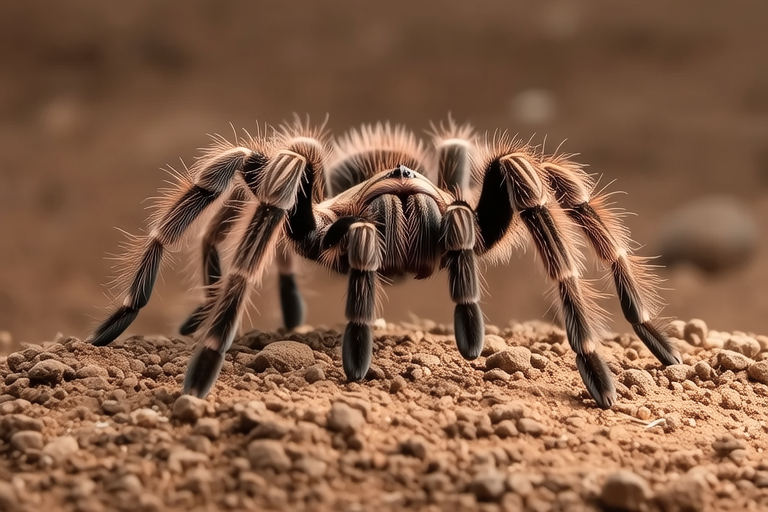
Top 5 Myths About Chilean Rose Tarantulas Debunked!
Chilean rose tarantulas (Grammostola rosea) are one of the most popular species among tarantula enthusiasts due to their docile nature and relatively low maintenance requirements. However, like any other exotic pet, they come with a set of myths and misconceptions that can mislead potential owners. This article aims to debunk five common myths about Chilean rose tarantulas, offering an informed perspective on their temperament, care requirements, and behavior.
Myth 1: Chilean Rose Tarantulas Are Highly Aggressive
One of the most pervasive myths about Chilean rose tarantulas is that they are aggressive creatures that will attack humans at the slightest provocation. This couldn’t be further from the truth. These tarantulas are generally calm and docile, making them ideal for beginners in the world of exotic pets.
Chilean rose tarantulas are not prone to aggression unless they feel threatened or cornered. Their primary defense mechanism is to flee rather than fight. They may also use their urticating hairs as a last resort when feeling endangered. These hairs are irritating to human skin and can cause discomfort if they come into contact with eyes or mucous membranes. However, this is more of a defensive reaction than an aggressive one.
Understanding their behavior and providing them with a secure environment where they feel safe can significantly reduce any chances of them displaying defensive behaviors. Proper handling techniques, such as gently scooping them up with your hand or using a small container, can also minimize stress and potential defensive reactions.
Myth 2: Chilean Rose Tarantulas Require Little to No Care
Another misconception about Chilean rose tarantulas is that they require minimal care, leading some to believe that owning one is akin to keeping a low-maintenance houseplant. While it’s true that these tarantulas are relatively easy to care for compared to many other exotic pets, they still have specific needs that must be met to ensure their health and well-being.
Their enclosure should be spacious enough to allow for movement and climbing. A typical adult Chilean rose tarantula requires an enclosure of at least 5 gallons, but larger enclosures are preferable. The substrate should be moistened sphagnum moss or coconut fiber to maintain humidity levels between 60% and 80%. It’s essential to provide hiding spots, such as cork bark or half logs, to give them a sense of security.
Feeding is another aspect that requires attention. These tarantulas eat insects, primarily crickets, and occasionally mealworms or super worms. Feeding frequency depends on the age and size of the tarantula, typically once every 7 to 14 days for adults. Overfeeding can lead to obesity and health issues, while underfeeding can result in malnutrition.
Temperature and humidity are critical factors in maintaining a healthy environment for your tarantula. The ideal temperature range is between 75°F and 85°F, with a daytime high and nighttime low. Regular monitoring and adjustments are necessary to ensure optimal conditions.
Myth 3: Chilean Rose Tarantulas Can Live in Any Environment
Contrary to popular belief, Chilean rose tarantulas cannot thrive in just any environment. These tarantulas are native to the deserts of Chile, Argentina, and Bolivia, and they have evolved to live in specific environmental conditions. As such, replicating their natural habitat in captivity is crucial for their survival and happiness.
In their natural habitat, Chilean rose tarantulas experience distinct seasonal changes. In captivity, maintaining a consistent temperature and humidity level is essential. A sudden change in these parameters can cause stress and potentially lead to health problems.
The enclosure should mimic their desert environment with a dry substrate and limited water sources. However, it’s important to provide a shallow water dish for drinking. This dish should be cleaned regularly to prevent bacterial growth and ensure the tarantula has access to fresh water.
Proper ventilation is also vital to avoid stagnant air and mold growth within the enclosure. This can be achieved by using screen tops or vented lids. Additionally, providing a UVB light source can help regulate their circadian rhythms, although it’s not strictly necessary.
Myth 4: Chilean Rose Tarantulas Are Easy to Handle
While Chilean rose tarantulas are generally docile, they are not necessarily easy to handle. Handling any tarantula comes with risks, including the possibility of dropping the spider or causing injury to yourself or the tarantula. It’s important to approach handling with caution and respect for the animal’s boundaries.
When handling a Chilean rose tarantula, it’s best to use a container or scoop rather than your bare hands. If you choose to handle them directly, always support their entire body, especially their abdomen, to prevent injury. Never grab or squeeze the tarantula, as this can cause stress and potential harm.
It’s also important to note that handling should be done infrequently and only when necessary. Frequent handling can cause undue stress and disrupt their normal behavior. Always observe your tarantula’s behavior before attempting to handle it. If it appears restless or agitated, it’s best to leave it alone.
For those who want to interact with their tarantula without handling, there are alternative methods. You can introduce toys or objects for them to climb on or explore. This can stimulate their natural behaviors and provide mental stimulation without the need for direct handling.
Myth 5: Chilean Rose Tarantulas Do Not Need Social Interaction
Unlike mammals or birds, which often benefit from social interaction, tarantulas are solitary animals by nature. They do not require companionship from other tarantulas or humans to thrive. However, this does not mean that they do not appreciate interaction or environmental enrichment.
Providing a stimulating environment with various hiding spots, climbing structures, and prey items can enhance their quality of life. Rotating these items periodically can keep the tarantula engaged and mentally stimulated. Additionally, observing their behavior and responding to their needs can foster a bond between you and your tarantula.
While tarantulas do not need companionship, they can become accustomed to regular handling and interaction with their owner. This can lead to a positive relationship where the tarantula associates its owner with positive experiences. However, it’s important to remember that tarantulas are not pets that seek affection or companionship in the same way that dogs or cats do.
Creating a routine around feeding and cleaning can also help establish a predictable environment for your tarantula. This predictability can reduce stress and make handling and interaction more enjoyable for both you and your pet.
Conclusion
Owning a Chilean rose tarantula can be a rewarding experience for those willing to learn about their unique needs and behaviors. By debunking these common myths, we hope to provide a clearer understanding of what it takes to care for these fascinating creatures. Remember, responsible pet ownership involves research, commitment, and respect for the animal’s natural instincts and behaviors.
If you’re considering adding a Chilean rose tarantula to your household, take the time to educate yourself about their specific care requirements. With the right knowledge and dedication, you can provide a happy and healthy home for your new arachnid friend.
