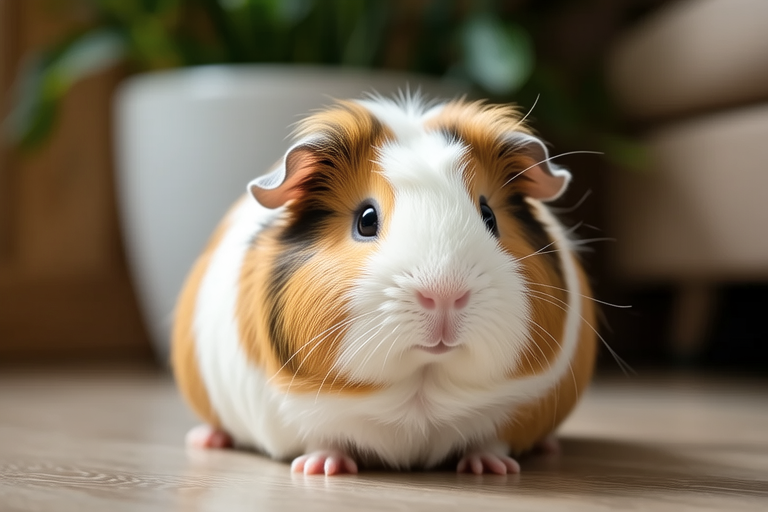
Top 10 Fun Facts About Your Lovable Guinea Pig Companion
Guinea pigs, also known as cavies, have long been cherished as delightful and gentle companions for pet owners around the world. These small rodents are beloved for their playful nature, expressive faces, and unique vocalizations. Their popularity has surged in recent years, making them one of the most sought-after pets for families and individuals alike. From their quirky behaviors to their fascinating history, there’s always something new and exciting to learn about these charming creatures. In this article, we will uncover ten fun and lesser-known facts about your lovable guinea pig companion, shedding light on their behavior, origins, and care requirements.
Fact 1: Guinea Pigs Are Not from Guinea, Nor Are They Pigs
The name ‘guinea pig’ is a bit misleading, as these animals neither come from Guinea nor are they related to pigs. The origin of their name remains somewhat of a mystery, but it is believed that the term was coined by European traders who brought the first specimens to Europe during the 16th century. The ‘guinea’ part may refer to the amount of money they cost, while ‘pig’ could be due to their snout resemblance to that of a pig. Instead, guinea pigs hail from the Andes region of South America, where they were domesticated by indigenous people over 3,000 years ago.
Fact 2: Guinea Pigs Have Been Used in Scientific Research for Centuries
Guinea pigs have played a significant role in scientific research since the early 17th century. Due to their size, docile temperament, and rapid reproduction rate, they have been used extensively in various fields of study, including genetics, pharmacology, and toxicology. One of the most famous contributions of guinea pigs to science was the discovery of the vitamin C deficiency disease, scurvy, by James Lind in 1747. This groundbreaking experiment led to the understanding of the importance of vitamin C in human nutrition. Despite their historical significance, ethical concerns have led to a decline in their use in modern laboratory settings.
Fact 3: Guinea Pigs Communicate Through Vocalizations
Guinea pigs are highly social animals that rely on vocal communication to interact with their peers and express emotions. They produce a variety of sounds, each with a specific meaning. For instance, purring or chattering teeth can indicate contentment or excitement, while whining or squealing might signal fear, pain, or distress. Understanding these vocal cues can help you better communicate with your guinea pig and ensure its well-being. Additionally, guinea pigs can recognize individual voices, so spending time talking to your pet can strengthen your bond.
Fact 4: Guinea Pigs Love to Snuggle and Pet
Despite their small size, guinea pigs are incredibly affectionate and enjoy physical contact with their owners. They often seek out opportunities to snuggle and pet, which can be a rewarding experience for both the pet and the owner. However, it’s important to handle your guinea pig gently and support its body properly to avoid injury. Regular interaction and playtime can help build trust and create a stronger bond between you and your furry friend.
Fact 5: Guinea Pigs Need a Balanced Diet
A proper diet is essential for maintaining the health and happiness of your guinea pig. While hay forms the foundation of their diet, providing roughage for healthy digestion, guinea pigs also require a variety of fresh vegetables, fruits, and pellets fortified with vitamin C. Unlike most other mammals, guinea pigs cannot synthesize vitamin C, making it crucial to include foods rich in this nutrient. Ensuring a balanced diet not only promotes good health but also prevents common issues like dental problems and obesity.
Fact 6: Guinea Pigs Have Unique Teeth
One of the most distinctive features of guinea pigs is their constantly growing teeth. Unlike humans, whose teeth stop growing once they reach adulthood, guinea pigs’ teeth continue to grow throughout their lives. To prevent overgrowth and maintain proper alignment, it’s vital to provide them with plenty of hay and chew toys. Overgrown teeth can lead to painful conditions, such as malocclusion, which may require veterinary intervention. Regular dental check-ups are also recommended to monitor the health of your pet’s teeth.
Fact 7: Guinea Pigs Have a Long History of Domestication
Guinea pigs have been domesticated for thousands of years, with evidence suggesting that they were kept as pets and used for food by ancient civilizations in South America. In some cultures, guinea pigs were even considered sacred animals, with rituals and ceremonies dedicated to them. Today, while they are primarily kept as pets, some communities still practice eating guinea pigs as a traditional delicacy. The long history of domestication has allowed guinea pigs to adapt to life alongside humans, making them ideal companions.
Fact 8: Guinea Pigs Can Be Trained
Contrary to popular belief, guinea pigs are capable of learning simple commands and tricks. With patience and positive reinforcement, you can teach your pet to perform tasks like coming when called, sitting up, or even navigating through obstacles. Training sessions should be short and enjoyable, using treats as rewards to encourage desired behaviors. Not only does training enhance your bond with your guinea pig, but it also provides mental stimulation and keeps them engaged.
Fact 9: Guinea Pigs Are Social Creatures
Guinea pigs thrive in social environments and often feel more secure when housed with a compatible companion. Introducing a second guinea pig can help reduce stress and loneliness, especially if you’re unable to spend extended periods of time with your pet. However, it’s crucial to introduce new guinea pigs carefully and under supervision to avoid conflicts. Providing ample space and resources, such as food bowls and hideouts, can help prevent competition and promote harmonious cohabitation.
Fact 10: Guinea Pigs Have a Rich Emotional Life
Beyond their physical needs, guinea pigs possess complex emotional lives that deserve attention and care. They can experience a range of emotions, from joy and excitement to sadness and anxiety. Recognizing and responding to these emotions can significantly improve your pet’s quality of life. Creating a comfortable and stimulating environment, offering regular social interaction, and addressing any signs of distress promptly are all ways to support your guinea pig’s emotional well-being.
Conclusion: Why Guinea Pigs Make Delightful Companions
From their fascinating history to their unique behaviors and dietary needs, guinea pigs offer a wealth of interesting facts that contribute to their appeal as pets. Whether you’re a seasoned guinea pig owner or considering adopting one, understanding these fun facts can deepen your appreciation for these charming creatures. Their affectionate nature, ability to form strong bonds, and playful demeanor make guinea pigs delightful companions that bring joy and comfort to many households. By providing proper care and attention, you can ensure a happy and fulfilling life for your guinea pig, creating a special connection that will last a lifetime.
