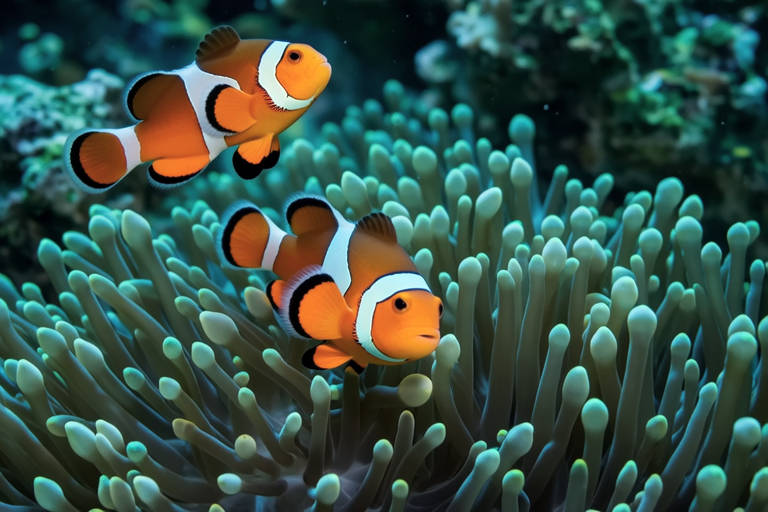
Ultimate Guide: Setting Up the Perfect Habitat for Your Clownfish
Clownfish, with their vibrant colors and charming personalities, have captured the hearts of many aquarists. Creating an ideal habitat for these fish requires careful planning and attention to detail. This comprehensive guide will walk you through the steps needed to set up a perfect home for your clownfish, ensuring they thrive in your aquarium.
Selecting the Appropriate Aquarium Size
The first step in setting up a habitat for your clownfish is choosing the right-sized aquarium. A general rule of thumb is to provide at least 20 gallons of water per clownfish. However, a larger tank is always better as it allows more space for swimming and reduces the likelihood of aggressive behavior. For a pair or small group of clownfish, consider a tank that holds around 30 to 50 gallons.
Essential Water Parameters
Temperature
Maintaining the correct temperature is crucial for clownfish health. The ideal range is between 76°F and 80°F (24°C to 27°C). Use a reliable heater to keep the water temperature stable. A thermometer placed inside the tank can help monitor the temperature accurately.
pH Levels
Clownfish prefer slightly acidic to neutral water conditions. Aim for a pH level between 7.8 and 8.4. Regular testing with a pH test kit will ensure your water remains within this range.
Salinity
For saltwater tanks, maintaining proper salinity is vital. Clownfish thrive in specific gravity levels between 1.020 and 1.025. Use a hydrometer to measure salinity and adjust as necessary.
Filtration Systems
An efficient filtration system is key to maintaining clean and healthy water. Choose a filter that suits your tank size and includes mechanical, chemical, and biological filtration. Mechanical filtration removes debris, chemical filtration helps eliminate toxins, and biological filtration supports beneficial bacteria.
Lighting Requirements
Proper lighting not only enhances the aesthetic appeal of your aquarium but also aids in the growth of any live plants or corals. Clownfish generally do not require intense lighting; a standard fluorescent light fixture should suffice. Ensure the lighting cycle mimics a day-night rhythm, typically providing 10 to 12 hours of light daily.
Suitable Tank Mates
Choosing compatible tank mates is important to prevent aggression and ensure harmony. Clownfish often coexist well with other peaceful species such as damsels, tangs, and wrasses. Avoid placing them with overly aggressive or territorial fish that might bully them. Additionally, some invertebrates like certain shrimp species can be good companions.
Decorating the Tank
Live Rocks
Incorporating live rocks into your aquarium closely resembles the natural environment of clownfish. Live rocks provide hiding spots, promote beneficial bacteria growth, and enhance the overall look of the tank. Arrange the rocks to create caves and crevices where clownfish can feel secure.
Caves and Plants
Adding artificial or live plants further enriches the tank’s environment. Plants offer additional shelter and contribute to oxygen production. Ensure there are plenty of caves and overhangs for clownfish to explore and rest.
Diet and Feeding Schedule
A balanced diet is essential for the health and vitality of your clownfish. Feed them a variety of foods including high-quality flake food, frozen brine shrimp, and mysis shrimp. Feed twice daily, offering small portions each time. Overfeeding can lead to poor water quality and health issues.
Troubleshooting Common Issues
Stress
Signs of stress in clownfish include hiding constantly, rapid breathing, or loss of color. To reduce stress, maintain optimal water conditions, provide ample hiding spots, and avoid sudden changes in the environment.
Disease
Common diseases include ich, which presents as white spots on the fish’s body, and fin rot, characterized by frayed or discolored fins. Quarantine new additions to the tank to prevent introducing diseases. Treatments vary depending on the condition but may involve medications and improved water quality.
Aggression
While clownfish are generally peaceful, they can become territorial, especially when defending their host anemone. Monitor interactions and separate aggressive individuals if necessary. Providing multiple hiding spots and ensuring adequate space can mitigate aggressive behavior.
By following these guidelines, you’ll create a thriving environment for your clownfish. Remember, the key to successful aquarium keeping lies in consistent care, observation, and adjustment based on your fish’s needs. Enjoy the rewarding experience of nurturing these delightful creatures in your very own aquatic paradise.
