Turkish Angora Cats: A Royal Heritage
Introduction
The Turkish Angora, a breed of cat known for its striking appearance and regal bearing, has a rich history that spans centuries. These elegant felines have been revered in various capacities, from living in the opulent courts of the Ottoman Empire to becoming beloved companions in modern households. Their unique blend of beauty, intelligence, and adaptability makes them a standout choice for cat enthusiasts. This article delves into the fascinating history, physical attributes, and behavior of Turkish Angoras, offering insights into why they continue to captivate hearts.
A Historical Journey
The origins of the Turkish Angora can be traced back to ancient times when these graceful creatures were first documented in Turkey. Their presence in the region is believed to have begun around 1600 B.C., with some evidence suggesting they may have been brought there by traders from Persia. Over time, Turkish Angoras became fixtures in the lives of the people who lived in the area, but it was their association with the Ottoman Empire that truly elevated their status.
During the height of the Ottoman Empire, Turkish Angoras were considered symbols of wealth and prestige. They were often kept in royal palaces, where they were pampered and admired for their elegance. The sultans and their families took great pride in their Angoras, and the cats were frequently depicted in paintings and other works of art. This royal patronage helped establish the Turkish Angora as a breed of exceptional quality, one that was both beautiful and intelligent.
Despite the fall of the Ottoman Empire, the Turkish Angora managed to maintain its reputation as a prized breed. In the early 20th century, efforts were made to preserve and promote the breed, leading to the establishment of breeding programs in both Turkey and abroad. Today, Turkish Angoras can be found in homes across the globe, cherished for their unique traits and endearing personalities.
Physical Characteristics
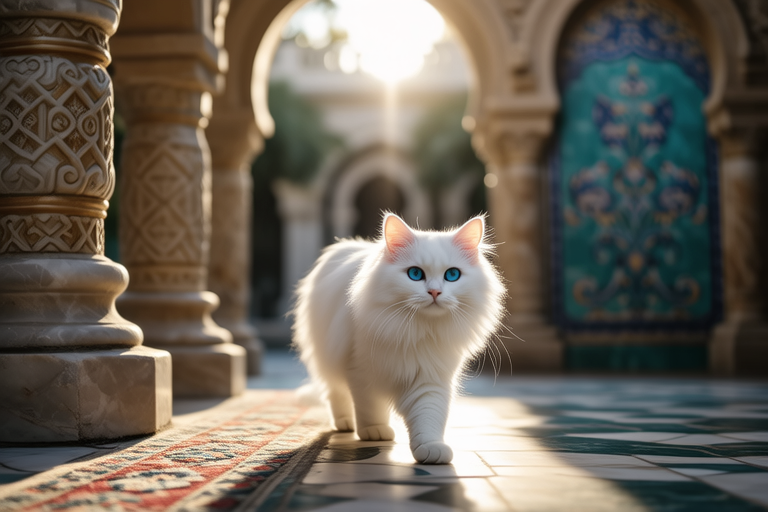
One of the most striking features of the Turkish Angora is its long, silky coat. This coat comes in a wide variety of colors and patterns, including white, black, blue, red, cream, and tortoiseshell. The eyes of a Turkish Angora are typically large and almond-shaped, and they can be blue, green, amber, or a combination of these colors. The breed’s distinctive appearance is further enhanced by its slender, muscular body, which is supported by long legs and a graceful tail.
Another notable characteristic of the Turkish Angora is its high level of activity. These cats are known for their playful and energetic nature, often engaging in activities that keep them physically and mentally stimulated. They enjoy climbing, jumping, and exploring their surroundings, and they are particularly fond of perching on high surfaces where they can observe their environment.
Behavior and Personality
Turkish Angoras are known for their friendly and affectionate demeanor. They form strong bonds with their human companions and are often described as loyal and devoted. While they enjoy the company of their owners, Turkish Angoras also value their independence and may not always seek constant attention. This balance between affection and autonomy makes them well-suited for a variety of living situations.
In addition to their social nature, Turkish Angoras are highly intelligent and curious animals. They are quick learners and can be trained to perform tricks or respond to commands. Their problem-solving abilities make them adept at finding ways to entertain themselves or get what they want, whether it’s opening doors or manipulating toys. This intelligence, combined with their natural curiosity, means that Turkish Angoras are always ready to explore new environments and experiences.
Resilience and Adaptability
Turkish Angoras are renowned for their resilience and adaptability, traits that have allowed them to thrive in a variety of settings throughout history. Their ability to adjust to different environments has contributed to their success as both companions and survivors. Despite the challenges they may face, Turkish Angoras tend to remain calm and composed, displaying a remarkable capacity for recovery and adaptation.
This resilience is evident in their physical health as well. Turkish Angoras are generally healthy cats with few genetic predispositions to specific diseases. However, like all breeds, they can be prone to certain conditions, such as hypertrophic cardiomyopathy (HCM), a type of heart disease. Regular veterinary check-ups and appropriate care can help ensure the longevity and well-being of these magnificent cats.
Fascinating Myths and Facts
There are several myths and intriguing facts associated with the Turkish Angora that add to the mystique surrounding this breed. One popular myth is that Turkish Angoras are descended from the sacred cats of ancient Egypt. While there is no concrete evidence to support this claim, it does highlight the enduring fascination with these elegant felines.
Another interesting fact about Turkish Angoras is their connection to space exploration. In 1993, two Turkish Angoras named Ykhn and Muhabbet were part of a NASA experiment designed to study the effects of space travel on animals. Although the mission was ultimately unsuccessful due to a launch failure, the cats gained widespread recognition and helped bring attention to the Turkish Angora breed.
Conclusion
The Turkish Angora is a breed with a storied past and a bright future. From their origins in ancient Turkey to their current status as cherished companions, these cats have captured the hearts of many. Their striking appearance, friendly personality, and remarkable adaptability make them an excellent choice for those seeking a loving and intelligent pet. As more people discover the unique qualities of the Turkish Angora, it is likely that their popularity will continue to grow, ensuring that these majestic felines remain a beloved part of the world’s cat population.
