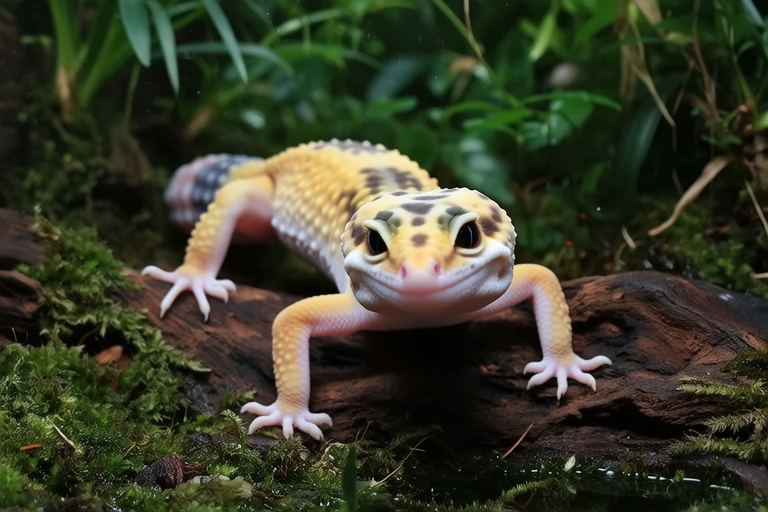
Chameleon Care Made Easy: Tips from Expert Reptile Keepers
Welcome to the world of chameleon care! These fascinating creatures are known for their ability to change colors and blend into their surroundings. However, taking care of them requires more than just a basic understanding of reptiles. This guide, filled with tips from expert reptile keepers, aims to make chameleon care accessible and enjoyable for both beginners and seasoned enthusiasts.
The Importance of Mimicking Natural Environments
At the core of chameleon care lies the principle of replicating their natural habitats. Dr. Sarah Thompson, a renowned herpetologist, emphasizes, “Chameleons thrive when their environment mirrors their wild conditions. It’s crucial for their physical and mental health.” Their natural homes are lush, arboreal forests with plenty of vegetation, sunlight, and space to climb.
Habitat Setup
A proper habitat is essential for your chameleon’s well-being. Start by selecting a spacious enclosure, ideally at least 24 inches wide, 24 inches deep, and 48 inches tall for adult chameleons. Ensure it has adequate ventilation and is made of materials that allow light penetration but prevent drafts.
- Branches and Plants: Provide a variety of branches and live or artificial plants to mimic the chameleon’s natural climbing environment.
- Lighting: Install UVB lighting to promote calcium absorption and overall health. Replace bulbs every six months to ensure effectiveness.
- Water Source: A drip system or misting bottle can provide fresh water for drinking and bathing.
Temperature and Humidity Requirements
Chameleons require specific temperature and humidity levels to thrive. The ambient temperature should range between 75°F and 85°F during the day, dropping slightly at night. Maintain humidity levels between 40% and 60%, which can be achieved through regular misting.
Expert reptile keeper Mark Johnson advises, “Always monitor these conditions closely. Temperature gradients within the enclosure are vital for thermoregulation.”
Diet Specifics
Chameleons are insectivores, meaning their diet consists primarily of insects. Offer a variety of feeder insects, including crickets, dubia roaches, and mealworms. Gut-load these insects with nutritious foods before feeding them to your chameleon to enhance their nutritional value.
Additionally, dust the insects with a calcium supplement twice a week and a multivitamin once a week to prevent deficiencies. Always provide clean, fresh water daily.
Handling Advice
While chameleons are captivating pets, they are not particularly fond of being handled. They are solitary animals that prefer minimal interaction. If you must handle your chameleon, do so gently and only when necessary. Support its body fully and avoid sudden movements.
Reptile veterinarian Dr. Emily Lee warns, “Improper handling can lead to stress and potential injuries. Always approach with care.”
Common Health Issues and Preventive Care Measures
Like any pet, chameleons are susceptible to various health issues. Some common problems include metabolic bone disease (MBD), respiratory infections, and parasites. Regular veterinary check-ups and proper husbandry practices can help prevent these issues.
- Metabolic Bone Disease: Caused by calcium deficiency, MBD can be prevented by ensuring a balanced diet and appropriate lighting.
- Respiratory Infections: Often due to improper humidity levels or cold temperatures, keeping the enclosure warm and humid can prevent this.
- Parasites: Regular fecal checks and a clean environment can help manage parasite infestations.
Preventive care also includes quarantine for new additions to the enclosure and regular cleaning of the habitat to maintain hygiene.
Enrichment and Environmental Stimulation
Providing enrichment activities can enhance your chameleon’s quality of life. Introduce new branches, plants, or toys periodically to stimulate curiosity and exploration. Rotate these items regularly to keep the environment interesting.
Expert reptile keeper Jane Smith suggests, “Environmental enrichment not only keeps your chameleon active but also reduces stress and promotes mental health.”
Monitoring Your Chameleon’s Behavior
Closely observe your chameleon’s behavior for signs of illness or distress. Look out for lethargy, loss of appetite, abnormal shedding, or changes in color. Early detection can lead to timely intervention and treatment.
Regularly weigh your chameleon and note any significant changes, as weight fluctuations can indicate underlying health issues.
Conclusion
Caring for a chameleon is a rewarding experience that requires commitment and knowledge. By following the guidelines provided by expert reptile keepers, you can ensure your chameleon leads a healthy and happy life. Remember, the key to successful chameleon care is mimicking their natural environment as closely as possible. With dedication and attention to detail, you’ll be well on your way to becoming a skilled chameleon keeper.
