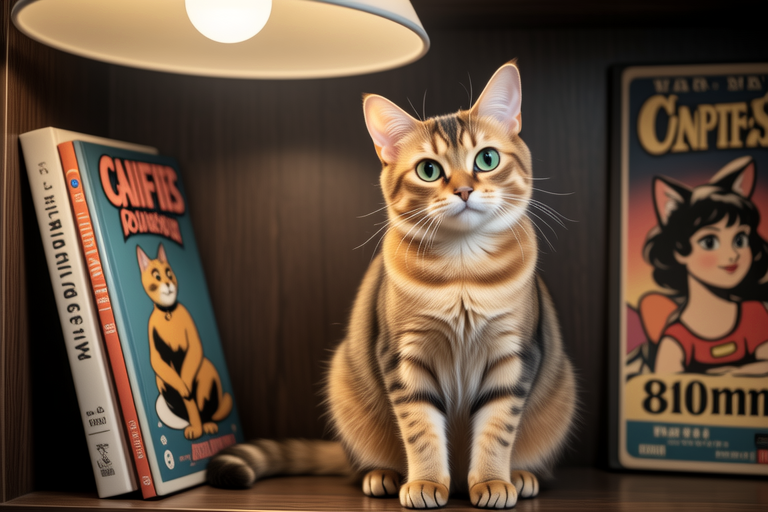
The Significance of Orange Cats in Pop Culture Throughout History
Orange cats have long captured the human imagination, appearing in various forms of popular culture, from literature to film, television, and beyond. Their portrayal has evolved over time, reflecting societal values, cultural shifts, and changing perceptions of animals. This article explores the significance of orange cats in pop culture, highlighting notable appearances and analyzing their influence on public perception.
Early Representations: Literature and Folklore
In medieval Europe, orange cats were often associated with witchcraft and the supernatural. During this period, black cats were more commonly linked to witchcraft, but orange cats also featured in folklore as symbols of mystery and magic. One such example is found in the legend of the “Cat of Bubastis,” an orange cat worshipped in ancient Egypt. The cat’s golden hue was seen as a symbol of the sun god Ra, and its presence was believed to bring good fortune and protection.
In literature, orange cats began to appear more frequently during the Renaissance. William Shakespeare’s play The Tempest features a character named Caliban, who is described as having “a catlike face.” While not explicitly orange, Caliban’s feline characteristics contribute to his portrayal as a mysterious and enigmatic figure. Similarly, in Peter Pan by J.M. Barrie, the character Tinker Bell is depicted as a tiny, mischievous sprite with a golden glow, reminiscent of an orange cat’s coat. These early literary references helped establish orange cats as symbols of enchantment and intrigue.
The Golden Age of Animation: Disney’s Influence
The rise of animation in the early 20th century brought orange cats into the spotlight, particularly through the works of Walt Disney. In Dumbo (1941), Timothy Q. Mouse, Dumbo’s loyal friend, is a small, orange mouse who provides comic relief and serves as a mentor figure. Timothy’s orange fur contrasts with Dumbo’s large, gray ears, creating a visually appealing dynamic duo. His character embodies the traits of loyalty, wisdom, and resilience, making him a beloved figure among audiences.
Another iconic orange cat from Disney is Lucifer from Cinderella (1950). Unlike Timothy, Lucifer is portrayed as a scheming, manipulative villain who seeks to thwart Cinderella’s dreams of happiness. His orange fur and sleek appearance add to his sinister charm, making him a memorable antagonist. Despite his villainous nature, Lucifer’s character has become a fan favorite, inspiring countless cosplay and fan art projects.
T.V. and Film: Modern Portrayals
Orange cats continued to make significant appearances in television and film throughout the latter half of the 20th century. One notable example is Garfield, the famous orange tabby created by Jim Davis in 1978. Garfield is known for his sarcastic wit, love of lasagna, and disdain for Mondays. His character has appeared in numerous comic strips, animated series, and live-action films, becoming one of the most recognizable orange cats in popular culture. Garfield’s portrayal as a lazy, indulgent creature has influenced public perception of orange cats, often associating them with comfort and relaxation.
Another influential orange cat character is Cheshire Cat from Lewis Carroll’s Alice’s Adventures in Wonderland. First appearing in the 1951 Disney adaptation, the Cheshire Cat is a playful, mischievous figure who can disappear at will. His enigmatic smile and ability to defy logic have made him a symbol of whimsy and imagination. The Cheshire Cat’s enduring popularity can be attributed to his unique personality and the way he challenges conventional thinking, encouraging viewers to embrace creativity and curiosity.
Cultural Impact and Recurring Themes
The portrayal of orange cats in pop culture has had a significant impact on public perception, influencing how people view and interact with these animals. Orange cats are often associated with warmth, comfort, and companionship, which may explain their frequent appearance in advertisements, product packaging, and marketing campaigns. Their golden hue is also linked to positive emotions such as joy, optimism, and hope, further contributing to their appeal.
Recurring themes in the representation of orange cats include mystery, magic, and whimsy. These themes reflect the enduring fascination with these animals and their ability to capture the human imagination. Whether portrayed as mystical creatures, wise mentors, or lovable companions, orange cats continue to play important roles in popular culture, serving as symbols of wonder and inspiration.
Conclusion
The significance of orange cats in pop culture extends far beyond their physical appearance, encompassing a wide range of symbolic meanings and cultural associations. From their early appearances in literature and folklore to their modern-day portrayals in animation, television, and film, orange cats have consistently captured the human imagination, inspiring awe, admiration, and affection. As our understanding of animals continues to evolve, so too will the ways in which we represent and celebrate these fascinating creatures.
