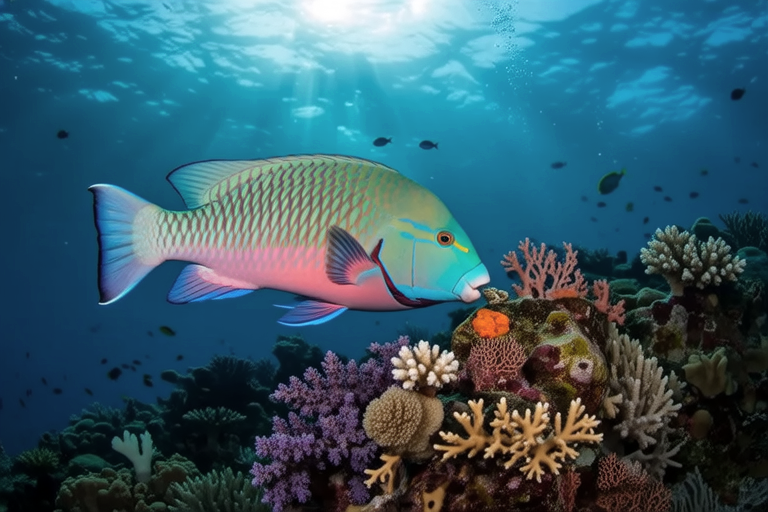
How Parrot Fish Are Shaping Our Coral Reefs for Survival
Introduction
Coral reefs are some of the most diverse ecosystems on our planet, supporting a myriad of marine life and playing a crucial role in global environmental balance. These underwater gardens are home to countless species of fish, including the vibrant and fascinating parrot fish. Known for their striking colors and unique beak-like mouths, parrot fish play a pivotal role in maintaining the health of coral reefs. Their grazing habits are essential for controlling algae growth, which helps ensure the survival of corals. This article delves into the ecological role of parrot fish in reef maintenance, the symbiotic relationship they share with coral reefs, the threats they face, and the implications of their decline on marine biodiversity.
The Ecological Role of Parrot Fish
Parrot fish are vital for the health of coral reefs due to their grazing habits. They consume algae, which can otherwise overwhelm and smother coral polyps. By keeping algae levels in check, parrot fish help maintain the delicate balance necessary for coral survival. Their feeding behavior also contributes to the physical structure of reefs. As they bite off pieces of coral, they inadvertently crush and grind it into sand, contributing to the formation of beaches and islands. This process, known as bioerosion, plays a significant role in the natural cycle of reef development.
Grazing Habits and Algae Control
Parrot fish have specialized teeth arranged in a beak-like structure, allowing them to scrape algae from coral surfaces. This grazing activity is particularly important during times when algae populations might otherwise explode, such as after disturbances like storms or bleaching events. Without the presence of parrot fish, algae can quickly dominate the reef environment, leading to a reduction in available space for coral larvae to settle and grow. The control of algae by parrot fish thus ensures that corals have the opportunity to thrive and reproduce.
Symbiotic Relationship Between Parrot Fish and Coral Reefs
The relationship between parrot fish and coral reefs is symbiotic. While parrot fish benefit from the abundant food sources provided by the reef’s algae, the reef itself benefits from the fish’s role in preventing algal overgrowth. This mutual dependency underscores the interconnectedness of marine ecosystems and highlights the critical role that parrot fish play in maintaining the overall health of coral reefs. Parrot fish also contribute to the reef’s structural integrity by creating spaces for new coral growth through their feeding activities.
Threats to Parrot Fish Populations
Despite their importance, parrot fish populations are under threat from various human activities. Overfishing, habitat destruction, and pollution are among the primary dangers facing these fish. In many regions, parrot fish are targeted for their meat, leading to significant declines in their numbers. Additionally, the degradation of coral reefs due to climate change and other stressors reduces the available habitat for parrot fish, further compromising their survival. The loss of parrot fish could have cascading effects on the entire reef ecosystem, potentially leading to a decline in coral cover and a reduction in marine biodiversity.
Implications of Declining Parrot Fish Populations
The decline of parrot fish populations has far-reaching consequences for coral reefs and the broader marine environment. With fewer parrot fish to control algae growth, reefs become more susceptible to algal domination, which can lead to reduced coral recruitment and slower reef recovery from disturbances. This, in turn, affects the countless species that rely on coral reefs for shelter and food, contributing to a broader loss of marine biodiversity. The potential collapse of reef ecosystems could also have economic implications, affecting industries such as tourism and fisheries that depend on healthy reefs.
Conservation Efforts
To mitigate the threats faced by parrot fish and ensure the long-term survival of coral reefs, concerted conservation efforts are necessary. Establishing marine protected areas (MPAs) can provide safe havens for parrot fish, allowing their populations to recover and thrive. Implementing sustainable fishing practices, such as limiting the catch of parrot fish and promoting alternative seafood options, can also help reduce pressure on these fish. Additionally, addressing the root causes of climate change and ocean acidification is crucial for preserving the health of coral reefs and the marine life that depends on them.
Conclusion
Parrot fish are unsung heroes of the coral reef ecosystem, playing a vital role in maintaining the delicate balance necessary for reef health and survival. Their grazing habits help control algae growth, ensuring that corals have the space and resources they need to thrive. However, parrot fish populations are under threat from human activities, and their decline could have severe implications for marine biodiversity and the health of coral reefs. By implementing effective conservation measures, we can help protect parrot fish and preserve the invaluable services that coral reefs provide to our planet. The future of our oceans, and the countless species that call them home, depends on our commitment to safeguarding these remarkable fish and the reefs they shape.
