From Nemo to Real Life: Everything You Need to Know About Clownfish
Clownfish, also known as anemonefish, have captured the hearts of millions since the release of the animated film Finding Nemo. These vibrant, charismatic fish are not only popular among moviegoers but also among marine enthusiasts. Their unique relationship with sea anemones and striking appearance make them one of the most fascinating creatures in the ocean. This article delves into the world of clownfish, exploring their natural habitat, physical characteristics, life cycle, and the challenges they face in the wild.
The Popularity of Clownfish
The release of Finding Nemo in 2003 brought clownfish to the forefront of popular culture. The movie’s protagonist, Marlin, a clownfish, embarks on an epic journey to find his son, Nemo. Since then, clownfish have become iconic symbols of marine life, drawing attention to the beauty and complexity of the underwater world. The film has inspired many to learn more about these fish and their habitats.
Natural Habitat: Coral Reefs
Clownfish are native to the tropical waters of the Indian and Pacific Oceans, where they reside in shallow lagoons and outer reef slopes. They are particularly abundant in the Great Barrier Reef, the largest coral reef system in the world. Clownfish thrive in the warm, clear waters that provide ideal conditions for their survival. Their natural habitat, coral reefs, is crucial for maintaining biodiversity and supporting marine ecosystems.
Symbiotic Relationship with Sea Anemones
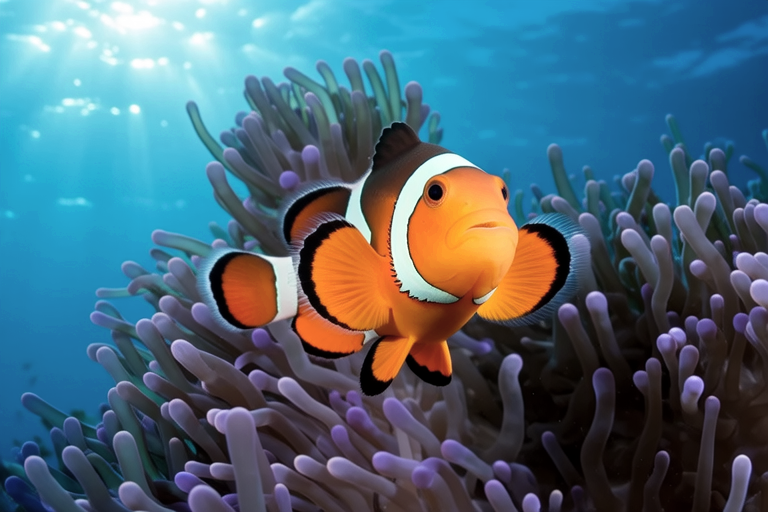
The most remarkable feature of clownfish is their symbiotic relationship with sea anemones. Clownfish live among the tentacles of sea anemones, which protect them from predators. In return, clownfish offer food to the anemone by bringing it small particles and detritus. Additionally, clownfish may help to aerate the water around the anemone, promoting its health. This mutually beneficial arrangement is a prime example of how nature works in harmony.
Physical Characteristics
Clownfish come in various species, each with distinct physical characteristics. The most common species is the orange clownfish (Amphiprion percula), recognizable by its bright orange color with three white stripes bordered by black. Other species include the false clownfish (Amphiprion ocellaris), which closely resembles the orange clownfish, and the maroon clownfish (Premnas biaculeatus), known for its reddish-brown coloration and aggressive behavior. Each species has unique markings and patterns that set them apart.
Life Cycle and Mating Habits
The life cycle of clownfish begins when a female lays hundreds or even thousands of eggs on a flat surface near the sea anemone. The male clownfish then fertilizes the eggs and guards them until they hatch. Once the eggs hatch, the larvae drift in the open ocean for several days before settling on a suitable habitat. The juveniles then establish themselves within a sea anemone.
Clownfish are monogamous, meaning they mate for life. During the breeding season, the dominant female will lay her eggs, and the male will fertilize them. The pair will work together to protect the eggs from predators and ensure their survival. After hatching, the young clownfish will remain close to their parents for several weeks, learning important skills such as hunting and avoiding predators.
Parenting Roles
In the clownfish family, the male takes on the primary role of caring for the eggs. He diligently fans the eggs with his fins to provide oxygen and remove waste. If the female dies, the male can change sex and become the new dominant female, ensuring the continuation of the species. This ability to change sex makes clownfish unique among fish species.
Tips for Aquarium Owners
If you’re considering adding clownfish to your aquarium, there are several factors to consider. First, ensure your tank is large enough to accommodate the fish comfortably. A 30-gallon tank is generally recommended for a single pair of clownfish. Clownfish require a stable environment with proper filtration and water circulation. Water temperature should be maintained between 76 and 82 degrees Fahrenheit, and pH levels should be kept between 8.1 and 8.4.
Feeding clownfish in captivity is relatively straightforward. They are omnivorous and will eat a variety of foods, including flakes, pellets, and frozen or live foods such as brine shrimp and bloodworms. It’s essential to provide a balanced diet to keep them healthy and vibrant. Clownfish are social animals and benefit from having tank mates, but care must be taken to avoid overcrowding.
Conservation and Threats
Despite their popularity, clownfish face numerous threats in the wild. Overfishing, habitat destruction, and climate change pose significant risks to their survival. Coral bleaching, caused by rising sea temperatures, can lead to the death of sea anemones, leaving clownfish without their protective homes. Efforts to conserve clownfish populations include protecting their habitats and reducing pollution. Marine reserves and sustainable fishing practices can help ensure the future of these remarkable fish.
As awareness grows about the importance of clownfish and their ecosystems, more people are taking steps to protect them. By supporting conservation efforts and choosing sustainably sourced products, we can all play a part in preserving these beautiful creatures for future generations.
Conclusion
From their starring role in Finding Nemo to their intricate lives in the wild, clownfish continue to captivate our imaginations. Their unique relationship with sea anemones, striking colors, and fascinating life cycle make them a favorite among marine enthusiasts. Whether you’re a beginner or an experienced aquarist, understanding the needs of clownfish can help you provide them with a healthy and happy home. By raising awareness and taking action, we can help ensure the survival of these amazing fish and the vibrant ecosystems they inhabit.
