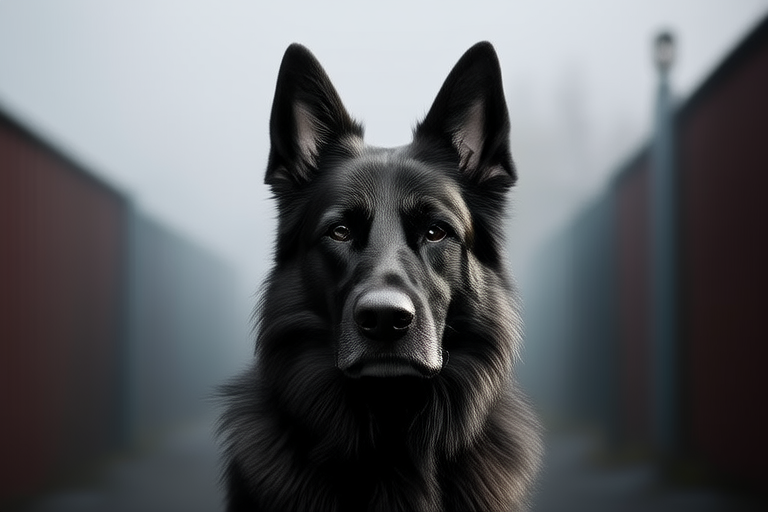
Exploring the Cognitive Abilities and Protective Instincts of German Shepherds
Introduction
The German Shepherd is one of the most popular and versatile dog breeds in the world. Known for their intelligence, loyalty, and protective nature, these dogs have been used in various professional capacities, including police work, search and rescue operations, and military service. This article delves into the cognitive abilities and protective instincts of German Shepherds, detailing their history, training methods that enhance their intelligence, and specific examples of how they excel as guard dogs. It also explores their problem-solving skills, loyalty, and adaptability, supported by scientific studies and expert opinions on canine intelligence.
History of German Shepherds
The German Shepherd breed was developed in Germany in the late 19th century by Captain Max von Stephanitz. He aimed to create a working dog that could assist shepherds in herding and protecting their flocks. The breed was initially named “Deutscher Schäferhund,” which translates to “German Shepherd Dog.” Over time, the breed evolved to become more versatile and adaptable, excelling in various roles beyond herding, such as guarding, search and rescue, and law enforcement.
Cognitive Abilities of German Shepherds
German Shepherds possess remarkable cognitive abilities, making them one of the smartest dog breeds. According to Stanley Coren’s book “The Intelligence of Dogs,” German Shepherds rank fourth in terms of obedience and working intelligence. Their ability to understand and follow commands quickly is attributed to their strong desire to please their handlers and their natural instinct to work.
One study published in the journal Animal Cognition found that German Shepherds can solve complex problems involving multiple steps. In the study, dogs were presented with a puzzle box containing food. The dogs had to figure out how to manipulate the box to access the food. German Shepherds consistently outperformed other breeds in this task, demonstrating their exceptional problem-solving skills.
Training Methods to Enhance Intelligence
To harness and develop the intelligence of German Shepherds, it is essential to employ effective training methods. Positive reinforcement techniques, such as rewarding desired behaviors with treats or praise, are highly effective in training these dogs. Clicker training, a form of positive reinforcement, involves using a clicker to mark the moment a dog performs a correct behavior, followed by a reward. This method helps dogs associate the click sound with a positive outcome, reinforcing good behavior.
Another effective training method for German Shepherds is agility training. Agility courses involve various obstacles, such as jumps, tunnels, and weave poles. Training dogs to navigate these obstacles requires coordination, balance, and problem-solving skills. German Shepherds excel in agility training due to their natural athleticism and intelligence. Agility training not only enhances physical fitness but also improves mental stimulation, keeping dogs engaged and motivated.
Protective Instincts and Guarding Abilities
German Shepherds are renowned for their protective instincts and guarding abilities. Their size, strength, and confidence make them excellent guard dogs. They are naturally wary of strangers and will alert their handlers to any potential threats. However, proper socialization and training are crucial to ensure that their protective instincts do not turn into aggression.
In a study published in the journal Applied Animal Behaviour Science, researchers examined the effectiveness of German Shepherds as guard dogs. The study found that properly trained German Shepherds were highly effective at deterring intruders and protecting property. The dogs’ ability to assess situations and respond appropriately was attributed to their intelligence and strong bond with their handlers.
Problem-Solving Skills
German Shepherds possess exceptional problem-solving skills, allowing them to tackle complex tasks and challenges. Their ability to think critically and adapt to new situations is what makes them so versatile in various professional capacities. For example, German Shepherds are often used in search and rescue operations, where they must locate missing persons or disaster victims in challenging environments.
One notable example of a German Shepherd’s problem-solving skills is the story of Zita, a search and rescue dog who helped locate a missing hiker in the Swiss Alps. Zita was able to navigate treacherous terrain and locate the hiker, who had been missing for several days. Her ability to think critically and adapt to the environment played a crucial role in the successful rescue mission.
Loyalty and Adaptability
German Shepherds are known for their unwavering loyalty to their handlers and families. Their strong bond with humans is one of the reasons why they are so effective as working dogs. In addition to their loyalty, German Shepherds are highly adaptable, making them suitable for various environments and tasks. Whether patrolling a busy city street or searching for survivors in the aftermath of a natural disaster, German Shepherds are up to the challenge.
A study published in the journal Journal of Veterinary Behavior examined the bond between German Shepherds and their handlers. The study found that the dogs exhibited signs of attachment, such as following their handlers closely and seeking comfort when separated. This strong bond is essential for effective communication and cooperation during working tasks.
Professional Capacities
German Shepherds excel in various professional capacities, including police work, search and rescue, and military service. Their combination of strength, agility, and intelligence makes them ideal candidates for these roles. In police work, German Shepherds are trained to track suspects, detect drugs and explosives, and provide protection. In search and rescue operations, they are trained to locate missing persons or disaster victims. In military service, they are trained to perform various tasks, such as bomb detection and patrol.
One example of a German Shepherd’s role in law enforcement is the case of K9 Officer Diesel, who helped apprehend a dangerous fugitive in Los Angeles. Diesel tracked the suspect through dense urban areas, leading officers to his location. His ability to navigate challenging environments and track suspects made him an invaluable asset to the police department.
Tips for Owners
Owners of German Shepherds can harness and develop their pets’ cognitive abilities and protective instincts by providing proper training, socialization, and mental stimulation. Here are some tips:
- Provide consistent training: Use positive reinforcement techniques to teach your German Shepherd basic commands and obedience. Consistency is key in training, so establish clear rules and expectations from the beginning.
- Socialize early: Expose your German Shepherd to various people, animals, and environments from an early age. Proper socialization helps prevent fear-based aggression and ensures that your dog is well-adjusted and confident.
- Engage in mental stimulation: Provide your German Shepherd with toys and puzzles that challenge their minds. Mental stimulation keeps dogs engaged and prevents boredom, which can lead to destructive behavior.
- Exercise regularly: German Shepherds require regular exercise to maintain their physical and mental health. Engage in activities such as walking, running, and playing fetch to keep your dog active and healthy.
Conclusion
German Shepherds are intelligent, loyal, and protective dogs that excel in various professional capacities. Their cognitive abilities, problem-solving skills, and strong bond with humans make them ideal candidates for police work, search and rescue, and military service. By providing proper training, socialization, and mental stimulation, owners can harness and develop their pets’ natural talents, ensuring that they remain happy, healthy, and well-behaved companions.
