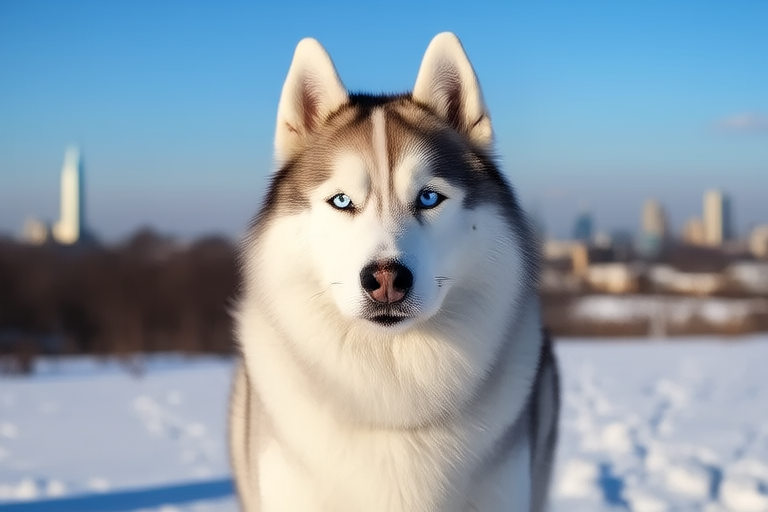
From Snowy Plains to City Streets: Training Tips for Urban Siberian Husky Owners
Siberian Huskies are known for their striking appearance and spirited nature. Originally bred by the Chukchi people of Siberia as sled dogs, they have adapted well to various environments, including urban settings. However, their high energy, independent streak, and strong prey drive can pose unique challenges for city dwellers. This guide offers practical training techniques to help you manage your Siberian Husky’s behavior and ensure a harmonious life together.
Understanding Your Siberian Husky
Siberian Huskies are descendants of wolves, which means they possess strong hunting instincts and a pack mentality. In the wild, they worked together to pull sleds across vast snowy plains. In the city, these traits can manifest as chasing squirrels, barking at other animals, and trying to escape to explore new territories. Recognizing and understanding these instincts is crucial for effective training.
Adapting Natural Instincts to City Life
One of the first steps in adapting your Siberian Husky to city life is channeling their natural instincts into acceptable behaviors. For example, harnessing their love for running by taking them on long walks or signing up for agility classes can provide them with the physical outlet they need. Similarly, engaging them in scent games or hide-and-seek can satisfy their strong sense of smell.
Managing Energy Levels
Siberian Huskies require substantial physical activity to maintain good health and mental stability. In the city, where space might be limited, it’s essential to find creative ways to keep them active. Daily walks, runs, and play sessions should be part of your routine. Consider joining a dog park or organized dog walking groups to ensure your Husky gets enough exercise. Additionally, interactive toys that stimulate both body and mind can help burn off excess energy.
Effective Leash Training
Leash training is particularly important for Siberian Huskies due to their tendency to wander and pull. Start training early and be consistent. Use positive reinforcement methods, rewarding your Husky for staying close and heeding commands. Avoid harsh corrections, as they can lead to fear or aggression. A head collar or harness can also be beneficial, offering more control while maintaining comfort for your dog.
Case Study: Sarah’s Experience
Sarah adopted her Siberian Husky, Luna, from a shelter. Initially, Luna was difficult to control on the leash, pulling her towards every interesting sight. With the help of a professional trainer, Sarah learned to use treats and praise to reinforce good behavior. Over time, Luna became more responsive and enjoyed their walks without constant pulling.
Socialization Strategies
Siberian Huskies are generally friendly, but they can be aloof around strangers. Early and ongoing socialization is key to ensuring they become comfortable with different people, animals, and environments. Introduce your Husky to various stimuli gradually and positively. Puppy classes and socialization groups are excellent resources for this.
Real-Life Example: The Park Adventure
John took his young Siberian Husky, Max, to a local park for the first time. Instead of overwhelming him with too many new experiences at once, John introduced Max to one new thing at a time, praising him each time he remained calm. By the end of the day, Max was relaxed and ready for more adventures.
Addressing Common Behavioral Issues
Despite their intelligence, Siberian Huskies can sometimes exhibit problematic behaviors such as excessive barking, chewing, and digging. These behaviors often stem from boredom or frustration. Providing ample mental and physical stimulation can alleviate these issues. If problems persist, consult a professional trainer or veterinarian for guidance.
Interactive Puzzle Toys
Interactive puzzle toys are an excellent way to engage your Siberian Husky’s mind. These toys require problem-solving skills to access hidden treats, providing hours of entertainment and mental stimulation. Examples include treat-dispensing balls and food puzzles.
Mental Stimulation and Physical Exercise
Both mental and physical exercise are vital for a happy, healthy Siberian Husky. Mental exercises can include obedience training, learning new tricks, and playing games that challenge their intellect. Physical activities should be varied and engaging, such as swimming, hiking, or participating in dog sports like flyball or dock diving.
Swimming Sessions
Many Siberian Huskies enjoy water activities, and swimming is an ideal form of exercise. It provides a full-body workout and can be especially beneficial during hot weather. Always supervise your dog in the water and ensure they are safe and secure.
Conclusion
Raising a Siberian Husky in an urban environment requires dedication and creativity, but it is incredibly rewarding. By understanding and respecting their heritage, providing ample exercise and mental stimulation, and employing positive training techniques, you can help your Siberian Husky thrive in the city. Remember, patience and consistency are key. With time and effort, you’ll build a strong bond with your loyal companion, enjoying countless adventures together.
