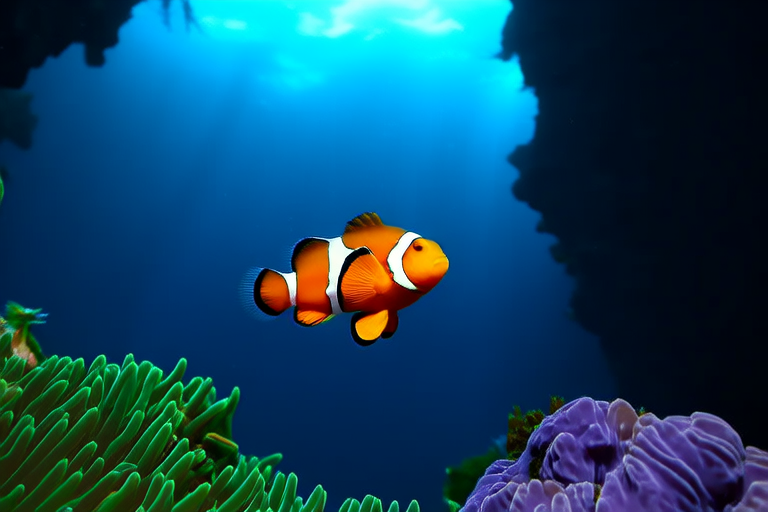
Caring for Clownfish: An Expert Guide
Welcome to this comprehensive guide on caring for clownfish, written by an expert aquarist. Whether you’re a beginner or an experienced aquarium owner, this article will provide you with all the essential information needed to maintain a healthy and thriving clownfish population. We’ll cover everything from setting up the perfect tank environment to health monitoring and common issues to avoid.
Setting Up the Perfect Tank Environment
Clownfish are native to the tropical waters of the Indo-Pacific, where they live among sea anemones. To recreate their natural habitat, it’s crucial to set up a tank that mimics these conditions. Start by choosing a tank size of at least 30 gallons for a single pair of clownfish; larger tanks are preferable for more fish or a community setup. The ideal water temperature for clownfish ranges between 76°F and 82°F, with a pH level of 8.1 to 8.4. Ensure good water circulation and a gentle flow with a filtration system that suits your tank size.
Substrate and decorations play a significant role in creating a suitable environment. Use a fine-grained sand substrate, as clownfish like to dig and lay eggs. Decorations should include rocks and live or fake sea anemones, providing hiding spots and enhancing the visual appeal of the tank. Live rock is also beneficial, as it supports beneficial bacteria that aid in maintaining water quality.
Suitable Tank Mates
When selecting tank mates for your clownfish, it’s important to consider their compatibility. Clownfish are generally peaceful and can coexist with other non-aggressive fish species. Suitable tank mates include:
- Anthias: These small, colorful fish add vibrant hues to your tank without competing for food.
- Gobies: Gobies are bottom-dwelling fish that won’t interfere with clownfish.
- Bicolor Chromis: These fish are hardy and peaceful, making them great companions for clownfish.
- Purple Firefish: Known for their unique appearance and calm demeanor, they make excellent additions to a clownfish tank.
Avoid aggressive or territorial fish, such as lionfish, triggers, or large angelfish, as they may stress or harm your clownfish. Additionally, be cautious with fish that have similar dietary needs, as they might compete for food.
Diet Specifics
Clownfish are omnivores, feeding on a variety of foods in the wild. In captivity, their diet should consist of a balanced mix of plant-based and animal-based foods. Offer a varied diet that includes high-quality flake food, pellets, frozen or freeze-dried brine shrimp, mysis shrimp, and finely chopped seafood. You can also supplement their diet with algae wafers or spirulina flakes to ensure they receive all necessary nutrients.
Feed your clownfish two to three times daily, offering only what they can consume within a few minutes. Overfeeding can lead to poor water quality and health issues. Monitor their eating habits and adjust the amount accordingly.
Health Monitoring
Maintaining optimal water quality is paramount for the health of your clownfish. Regularly test the water parameters, including ammonia, nitrite, nitrate, and pH levels, and perform partial water changes every week to prevent the buildup of harmful substances. A 10-20% water change weekly is recommended.
Observe your clownfish daily for any signs of illness, such as lethargy, loss of appetite, fin rot, or abnormal swimming behavior. Early detection of health issues allows for prompt intervention and treatment. If you notice any concerning symptoms, consult a veterinarian specializing in aquatic animals for proper diagnosis and care.
Common Issues to Avoid
To ensure the longevity and well-being of your clownfish, avoid the following common mistakes:
- Overcrowding: Too many fish in a small tank can lead to stress and disease. Always adhere to the recommended tank size guidelines.
- Improper Water Parameters: Fluctuations in temperature, pH, or salinity can cause stress and illness. Maintain stable water conditions through regular testing and adjustments.
- Inadequate Filtration: Poor filtration can result in poor water quality, leading to health problems. Invest in a high-quality filtration system suited for your tank size.
- Stressful Tank Mates: Aggressive or incompatible tank mates can cause undue stress, affecting the overall health of your clownfish.
Tips for Breeding Clownfish
If you’re interested in breeding clownfish, there are several steps you can take to increase the chances of successful reproduction:
- Select Compatible Pairs: Choose a male and female clownfish of similar size and age. They should show signs of bonding, such as swimming together and sharing territory.
- Create a Spawning Surface: Provide a flat, clean surface for egg-laying, such as a slate or acrylic sheet attached to the tank wall. Ensure the surface is easily accessible for the pair.
- Monitor Behavior: Observe the pair closely during spawning season. The female will lay eggs, and the male will fertilize them. Both parents will guard the eggs until they hatch.
- Fry Care: After hatching, the fry will remain attached to the spawning surface for a few days before becoming free-swimming. Feed them infusoria or commercial fry food until they grow large enough to eat baby brine shrimp.
Patience and attention to detail are key when breeding clownfish. With the right setup and care, you can enjoy the rewarding experience of raising clownfish from eggs to adulthood.
Conclusion
Caring for clownfish requires dedication and attention to detail, but the rewards are well worth the effort. By setting up the perfect tank environment, selecting compatible tank mates, providing a balanced diet, and maintaining optimal water quality, you can ensure the health and happiness of your clownfish. Regular health monitoring and avoiding common pitfalls will help prevent issues and promote a thriving aquarium. Happy fishkeeping!
