The Unique History and Traits of Abyssinian Cats Explained
Among the many fascinating breeds of domesticated cats, the Abyssinian stands out for its unique history, striking appearance, and engaging personality. Originating from ancient times, this breed has captured the hearts of cat enthusiasts worldwide. In this article, we will delve into the origins and historical background of Abyssinian cats, explore their physical traits, discuss their temperament and intelligence, and provide valuable advice for potential owners.
Ancient Origins and Historical Background
The Abyssinian cat’s origin story is shrouded in mystery and legend. The name ‘Abyssinian’ suggests a connection to Ethiopia, formerly known as Abyssinia, but evidence points to a different beginning. Some believe that the breed was brought to England in the 19th century after British soldiers returned from the Abyssinian War. However, there is no concrete proof of this theory.
Genetic studies have shed light on the true origins of the Abyssinian. They are believed to be descendants of cats native to the coast of the Indian Ocean and parts of Southeast Asia. These cats were likely introduced to the West through the port of Alexandria in Egypt. Ancient Egyptian art often depicted cats with similar markings, suggesting a long-standing presence in the region. Despite the uncertainty surrounding their exact origins, the Abyssinian’s history is rich and captivating.
Physical Characteristics: A Distinctive Appearance
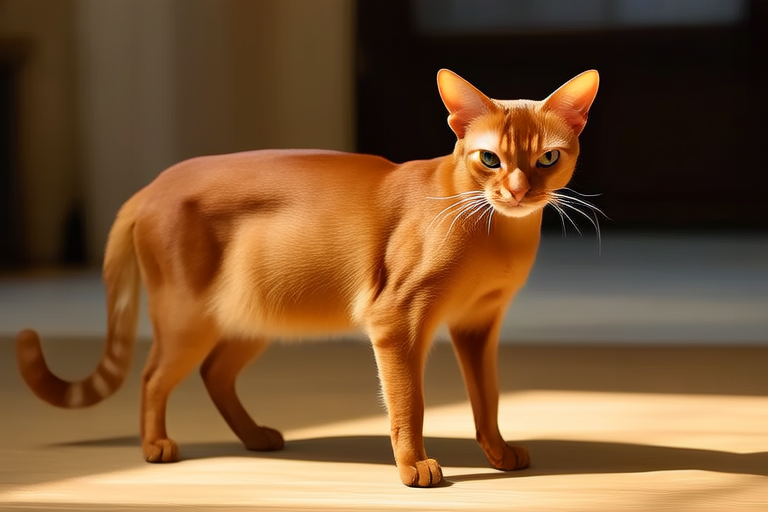
The Abyssinian cat is renowned for its sleek, muscular body and elegant posture. Their medium-sized frame, combined with their slender legs and oval paws, gives them a graceful and agile appearance. Their head is wedge-shaped with large, alert ears and expressive almond-shaped eyes, typically green or gold, which add to their exotic allure.
The most striking feature of the Abyssinian is their coat. This breed boasts a short, dense fur that lies close to the body, giving them a sleek and polished look. Their coats are characterized by a unique ticked tabby pattern, where each hair has bands of color, creating a shimmering effect. Common colors include ruddy (a warm, reddish-brown), blue (a cool, grayish-blue), fawn (a soft, beige), and cinnamon (a warm, reddish-brown).
This distinctive coat pattern contributes to the Abyssinian’s appearance, making them stand out in any setting. The ticking, or banding, is a result of a genetic mutation that produces multiple bands of color along each hair shaft. This characteristic gives the Abyssinian a wild, untamed look reminiscent of their ancestors from the African savanna.
Temperament, Intelligence, and Behavior
Abyssinian cats are known for their lively and playful personalities. They are highly intelligent, curious, and often referred to as the ‘clowns’ of the cat world due to their mischievous antics. Their inquisitive nature makes them excellent problem solvers, and they enjoy interactive toys and puzzles that stimulate their minds.
Abyssinians are also very social animals, often forming strong bonds with their human companions. They thrive in households where they receive plenty of attention and interaction. These cats are generally affectionate and enjoy being involved in family activities. While they can be somewhat independent, they do not like to be left alone for extended periods.
Despite their active and playful demeanor, Abyssinians are also gentle and affectionate, making them great companions for families with children and other pets. Their intelligence and adaptability make them easy to train, and they often learn to respond to their names and even come when called. Their friendly and sociable nature makes them a favorite among cat lovers.
Care, Health Considerations, and Tips for Owners
For those considering adopting an Abyssinian, it’s important to understand their specific care needs and health considerations. While these cats are generally healthy, they are prone to certain genetic conditions. Regular veterinary check-ups and a balanced diet are essential for maintaining their well-being.
Grooming is relatively simple for Abyssinian cats due to their short, dense coats. Weekly brushing helps remove loose hairs and prevents matting. Bathing is rarely necessary unless the cat gets particularly dirty. It’s important to use a mild, pH-balanced shampoo specifically formulated for cats.
Abyssinians are active and require ample opportunities for exercise and mental stimulation. Providing them with climbing trees, scratching posts, and interactive toys will help keep them entertained and prevent boredom-related behavior issues. Regular play sessions and engagement with their owners are crucial for their physical and emotional health.
When introducing an Abyssinian to a new home, it’s important to create a calm and welcoming environment. Gradually introduce them to their new surroundings, allowing them time to adjust. Providing familiar items from their previous home, such as a favorite blanket or toy, can help ease the transition.
As with any pet, it’s essential to establish a routine for feeding, grooming, and playtime. Consistency helps these cats feel secure and comfortable in their new environment. Additionally, providing a safe space where they can retreat when needed is important for their emotional well-being.
Conclusion
The Abyssinian cat is a breed rich in history and full of charm. From their mysterious origins to their striking appearance and engaging personalities, these cats offer a unique experience for any cat lover. Their intelligence, curiosity, and affection make them ideal companions for families and individuals alike.
If you’re considering adopting an Abyssinian, remember that they require attentive care, regular exercise, and plenty of love and attention. By understanding their specific needs and providing a nurturing environment, you can ensure a happy and healthy life for your new feline friend. With proper care and attention, an Abyssinian can bring years of joy and companionship to your household.
