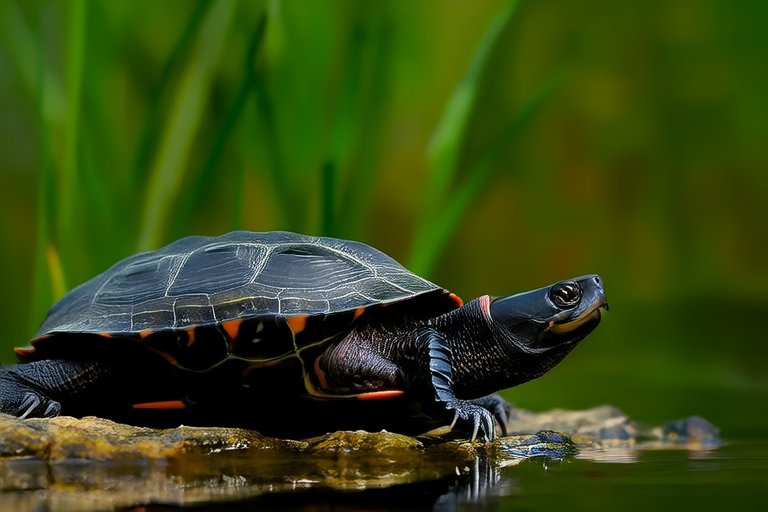
Red-eared Slider Care: Expert Tips Every Owner Should Know
Welcome to the comprehensive guide on red-eared slider care. Whether you’re a first-time owner or have been keeping these turtles for years, this article will provide valuable insights into their care, ensuring your pet thrives in a healthy environment. We’ll cover everything from setting up the perfect habitat to understanding their dietary needs and common health issues.
Habitat Setup
The first step in providing excellent care for your red-eared slider is creating the right habitat. This involves choosing the appropriate tank size, maintaining high water quality, and ensuring adequate UV lighting.
Tank Size
Adequate space is crucial for your turtle’s well-being. A general rule of thumb is to provide at least 10 gallons of water per inch of shell length for juveniles. As they grow, increase the tank size accordingly. For full-grown sliders, a tank that can hold around 80 gallons of water is recommended.
Water Quality
Water quality directly impacts your turtle’s health. Regularly check pH levels, ammonia, nitrite, and nitrate concentrations. Use a dechlorinator to neutralize harmful chlorine and chloramines found in tap water. Install a reliable filtration system to maintain clean water. Perform partial water changes weekly, replacing about 20% of the total volume.
UV Lighting
Red-eared sliders require UVB light to synthesize vitamin D3, which aids calcium absorption. Place a UVB lamp over the basking area, ensuring it covers at least 70% of the tank. Position the bulb within 12 inches of the basking spot and replace every six months to ensure effectiveness. Supplemental heat lamps can also be used to maintain an ambient temperature between 75°F and 85°F.
Diet and Nutrition
Proper nutrition is vital for your turtle’s growth and overall health. A balanced diet includes both plant matter and protein sources.
Plant Matter
Leafy greens like romaine lettuce, dandelion greens, and collard greens are excellent choices. Offer these daily, but limit iceberg lettuce as it has low nutritional value. Occasional fruits such as strawberries, blueberries, and melons can be offered as treats.
Protein Sources
Provide protein-rich foods like commercial turtle pellets, earthworms, crickets, and small fish. Feed young turtles more frequently, about three times a week, while adult turtles can eat twice a week. Avoid overfeeding, as excess food can pollute the water and lead to obesity.
Health Concerns
Understanding potential health issues allows you to act promptly if problems arise.
Metabolic Bone Disease (MBD)
This condition results from insufficient calcium or vitamin D3. Symptoms include soft shells, swollen limbs, and lethargy. Ensure your turtle has access to UVB lighting and a calcium supplement.
Respiratory Infections
Signs include runny nose, wheezing, and open-mouth breathing. Keep water clean and maintain proper temperatures. If symptoms persist, consult a veterinarian.
Shell Rot
This bacterial infection causes soft spots or lesions on the shell. It’s often due to poor water quality or physical trauma. Treat by cleaning the affected area with hydrogen peroxide and keeping the turtle in clean water.
Handling and Interaction
While red-eared sliders are generally low-maintenance pets, proper handling techniques promote bonding and prevent stress.
Safe Handling
Support your turtle’s entire body when lifting, avoiding any squeezing or pinching. Wash your hands before and after handling to minimize the risk of transferring bacteria.
Interaction
Interact with your turtle gently and consistently. Some turtles may become accustomed to being hand-fed or touched, making them more comfortable with regular handling.
Growth Stages
Understanding the different stages of growth helps tailor care appropriately.
Juvenile Stage
From hatchling to about five inches, focus on rapid growth. Provide a diet rich in protein and frequent feeding. Monitor water quality closely during this stage.
Adult Stage
Once your turtle reaches adulthood, its growth slows down. Reduce feeding frequency and ensure it has enough space. Adult turtles are less active and require fewer dietary supplements.
Common Mistakes to Avoid
Avoid these common pitfalls to ensure your turtle remains healthy and happy.
Overcrowding
Do not house multiple turtles in a tank that’s too small. Each additional turtle requires extra space and resources.
Poor Water Maintenance
Regular water changes and proper filtration are necessary. Neglecting these can lead to illness and premature death.
Inadequate Lighting
Failing to provide sufficient UVB lighting can result in metabolic bone disease. Ensure the bulb is positioned correctly and replaced regularly.
In conclusion, caring for a red-eared slider involves attention to detail and commitment. By following these expert tips, you can ensure your turtle enjoys a long, healthy life. Remember, the key to successful turtle ownership lies in understanding their specific needs and providing an environment that mimics their natural habitat as closely as possible.
