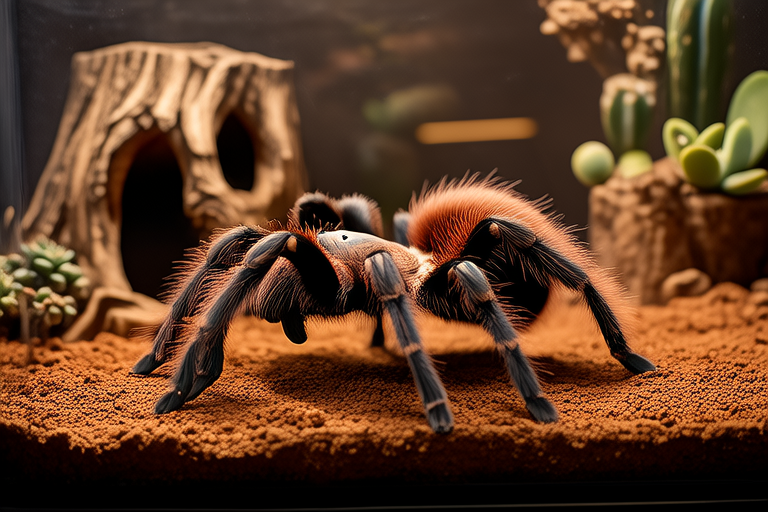
How to Create the Perfect Habitat for Your New Chilean Rose Tarantula Pet
Welcome to the wonderful world of pet tarantulas! The Chilean rose tarantula (Grammostola rosea) is one of the most popular species among tarantula enthusiasts due to its docile nature and manageable care requirements. This article will guide you through creating an ideal habitat for your new arachnid friend, covering everything from enclosure size and substrate to temperature and humidity, hiding spots, and more.
Appropriate Enclosure Size
The first step in setting up a suitable habitat for your Chilean rose tarantula is choosing the right enclosure. A glass or plastic tank with a secure lid is ideal. For a young spider, a 5-gallon tank (approximately 8 inches by 16 inches) is sufficient; however, as they grow larger, you should upgrade to a 10-gallon tank (about 12 inches by 24 inches). Ensure that the tank has adequate ventilation while preventing escapes. You can achieve this by drilling small holes near the top of the tank and covering them with mesh.
Substrate Type and Depth
Selecting the right substrate is crucial for your tarantula’s comfort and health. Coconut fiber, reptile bark, or organic potting soil are excellent choices. These materials retain moisture well, mimicking the natural environment of the Chilean rose tarantula. Avoid using cedar or pine shavings, as these can be harmful to your pet. A depth of 3 to 4 inches is recommended to allow your tarantula to burrow comfortably.
Temperature and Humidity Requirements
Maintaining the correct temperature and humidity levels is vital for your tarantula’s well-being. The ideal temperature range for a Chilean rose tarantula is between 75°F and 85°F (24°C to 29°C). You can achieve this by placing a heat mat or under-tank heater at one end of the enclosure, ensuring a temperature gradient within the tank. Use a thermometer to monitor the temperature accurately. The humidity level should be kept around 60% to 70%. This can be maintained by misting the substrate lightly once or twice a week and ensuring proper ventilation.
Ventilation Needs
Adequate ventilation is essential for preventing mold growth and maintaining good air quality within the enclosure. Drill several small holes near the top of the tank and cover them with fine mesh to allow airflow while preventing escapes. Additionally, ensure that the tank is placed away from direct sunlight, which can cause overheating.
Hiding Spots and Decor
Your tarantula will spend much of its time in a burrow or hiding spot, so providing ample opportunities for concealment is crucial. Include a variety of hides, such as cork bark, half logs, or artificial caves. Place these hides at different heights within the enclosure to give your tarantula options. You may also add live or silk plants to create a more naturalistic environment. Be cautious when introducing live plants, as some may contain pesticides harmful to your pet.
Lighting Considerations
Chilean rose tarantulas are nocturnal creatures, so they don’t require lighting for their daily activities. However, providing a low-wattage red bulb or ceramic heat emitter can help maintain the desired temperature without disturbing your pet’s sleep patterns. Never use UVB lighting, as it is unnecessary for tarantulas and could potentially harm them. Always ensure that any heating devices are safely positioned to avoid burns.
Feeding Setup
When it comes to feeding your Chilean rose tarantula, live insects such as crickets, dubia roaches, or mealworms are suitable choices. Feed your tarantula once or twice a week, depending on its age and appetite. It’s essential to provide appropriately sized prey to prevent injury to your pet. Remove uneaten prey after a few hours to prevent stress or potential harm to your tarantula. A shallow water dish should also be provided, but be cautious not to make the substrate too moist, as this could lead to respiratory issues.
Cleaning and Maintenance Routine
Maintaining a clean and hygienic environment is crucial for your tarantula’s health. Spot clean the enclosure regularly by removing waste and replacing soiled substrate. Perform a thorough cleaning every two to three months, including sterilizing the enclosure and all accessories. To sterilize, soak items in a solution of water and reptile-safe disinfectant, rinse thoroughly, and allow them to dry completely before returning them to the enclosure.
Safety Measures to Prevent Escapes
Escapes can be dangerous for your tarantula, as they may encounter hazards outside their enclosure. Ensure that the tank lid is secure and properly sealed. You can reinforce the lid with silicone sealant or aquarium-safe epoxy if necessary. Additionally, consider adding a layer of smooth, non-porous material, such as glass or plexiglass, to the top of the tank to further prevent escapes.
Tips for Observing Your Tarantula’s Behavior Within Its Habitat
Observing your tarantula’s behavior can provide valuable insights into its health and happiness. Spend time watching your pet during its active periods, typically at night. Look for signs of normal activity, such as hunting, eating, and burrowing. Pay attention to any changes in behavior, such as decreased appetite, lethargy, or unusual movements, as these could indicate underlying health issues. If you notice any concerning symptoms, consult a veterinarian specializing in exotic pets for guidance.
In conclusion, creating the perfect habitat for your Chilean rose tarantula involves careful consideration of various factors, including enclosure size, substrate, temperature, humidity, ventilation, hiding spots, lighting, feeding setup, cleaning routines, and safety measures. By following the guidelines outlined in this article, you’ll be well-equipped to provide a comfortable and stimulating environment for your new pet. Remember that each tarantula is unique, so be patient and attentive to your pet’s individual needs. With proper care and attention, your Chilean rose tarantula will thrive in its new home.
