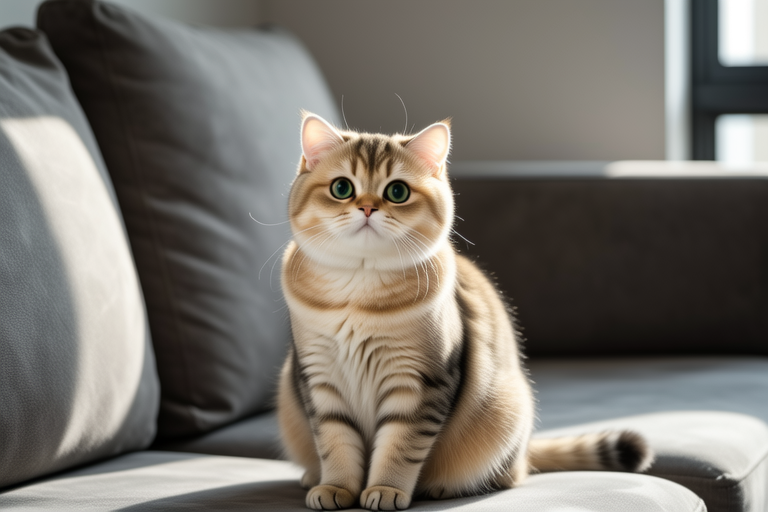
Golden British Shorthairs: The Ultimate Guide to Owning the Perfect Pet
Welcome to the world of Golden British Shorthairs! This breed has gained significant popularity over the years for its charming golden coat and gentle demeanor. Known for their affectionate nature and striking appearance, these cats have become a favorite among cat lovers everywhere. Whether you’re a seasoned pet owner or considering adding a feline companion to your family, this guide will provide all the information you need to understand and care for a Golden British Shorthair.
Introduction: A Brief Overview of the Golden British Shorthair
The Golden British Shorthair is a stunning variation of the classic British Shorthair, recognized for its plush, golden fur that ranges from light cream to rich amber. These cats are known for their robust build, large round eyes, and short, dense coats that give them a teddy bear-like appearance. Their calm and laid-back personalities make them excellent companions for families, singles, and even multi-pet households.
Breed History
The origins of the British Shorthair can be traced back to ancient times, with evidence suggesting that they were brought to Britain by the Romans around 2,000 years ago. Over centuries, they interbred with local cats, developing the distinctive features we see today. The modern Golden British Shorthair emerged as a result of selective breeding aimed at producing cats with a golden hue. These cats were initially bred for their striking looks and friendly temperaments, and they quickly became popular show cats.
Physical Characteristics
Golden British Shorthairs are medium to large-sized cats with a sturdy, muscular build. Their heads are round with prominent cheeks, and their eyes are large, expressive, and often a deep blue or green. The most defining feature of these cats is their plush, short fur, which is dense and soft to the touch. Their coat color ranges from pale gold to deep amber, with some individuals showcasing a striking contrast between their golden fur and black-tipped tails.
Temperament and Behavior
One of the most appealing traits of Golden British Shorthairs is their friendly and relaxed nature. They are known for being affectionate towards their owners and can form strong bonds with family members. While they enjoy attention, they are not overly demanding and are content to nap or play quietly. Their patience makes them great companions for children and other pets, though they may require time to adjust to new environments or introductions.
Dietary Needs
Like all cats, Golden British Shorthairs require a balanced diet rich in proteins, fats, and essential vitamins and minerals. High-quality commercial cat food is generally sufficient, but it’s important to consult with a veterinarian to ensure that your cat’s nutritional needs are met. Fresh water should always be available, and treats should be given sparingly to avoid obesity.
Grooming Requirements
Due to their short, dense coats, Golden British Shorthairs require regular grooming to maintain their luxurious appearance. Weekly brushing helps to remove loose hair and prevent matting. Bathing is rarely necessary unless the cat gets particularly dirty, but nail trimming and ear cleaning should be part of their routine care. Regular dental hygiene is also crucial to prevent dental issues.
Health Concerns
While Golden British Shorthairs are generally healthy, like any breed, they are prone to certain genetic conditions. Common health issues include hypertrophic cardiomyopathy, polycystic kidney disease, and hip dysplasia. Regular veterinary check-ups and early intervention can help manage these conditions. Additionally, maintaining a healthy weight and providing a stimulating environment can contribute to their overall well-being.
Common Misconceptions
There are several misconceptions about Golden British Shorthairs that potential owners should be aware of. One common myth is that these cats are lazy or inactive. While they do enjoy lounging, they also appreciate interactive play and mental stimulation. Another misconception is that their thick coats make them prone to overheating. In reality, their dense fur provides excellent insulation, making them comfortable in various climates.
Choosing the Right Breeder
Selecting a reputable breeder is crucial when adopting a Golden British Shorthair. Look for breeders who prioritize the health and happiness of their cats, ensuring that the kittens are socialized and raised in a loving environment. Responsible breeders will provide documentation of health screenings and vaccinations, and they will be willing to answer any questions you may have about the breed.
Initial Care Tips for New Owners
Bringing a new cat into your home requires careful preparation. Create a comfortable space for your Golden British Shorthair, complete with a cozy bed, litter box, and scratching post. Gradually introduce them to your home and family, allowing them time to adjust. Establish a routine for feeding, grooming, and playtime to help your new pet feel secure and loved.
Integrating the Cat into a Family Setting
Golden British Shorthairs adapt well to family life, but it’s important to introduce them to household routines and other pets gradually. Children should be taught how to handle and interact with the cat gently. Introducing a Golden British Shorthair to other pets, especially dogs, should be done under supervision to ensure compatibility.
Why Golden British Shorthairs Make Ideal Pets
Golden British Shorthairs are ideal pets for various types of households due to their adaptable and affectionate nature. Their calm demeanor makes them perfect for families with young children or those living in apartments. Their intelligence and curiosity make them enjoyable companions, and their low-maintenance grooming needs make them easy to care for. With proper care and attention, a Golden British Shorthair can provide years of joy and companionship.
Conclusion
The Golden British Shorthair is a remarkable breed that combines beauty, intelligence, and affection. Whether you’re looking for a loyal companion or a loving addition to your family, these cats offer a unique blend of charm and character. By understanding their specific needs and providing the care they deserve, you can ensure a long and happy relationship with your Golden British Shorthair. Embrace the journey of owning one of these magnificent creatures, and prepare yourself for a lifetime of love and laughter.
