Exploring the Unique Characteristics of Bengal Cats
The Bengal cat is a relatively new breed that has quickly become one of the most sought-after and admired felines in the world. Known for their striking appearance, playful and energetic nature, and strong connection to their wild ancestry, Bengal cats have captured the hearts of many cat enthusiasts. This article will delve into the unique characteristics of Bengal cats, focusing on their mesmerizing appearance, genetic background, temperament, and care requirements.
A Mesmerizing Appearance
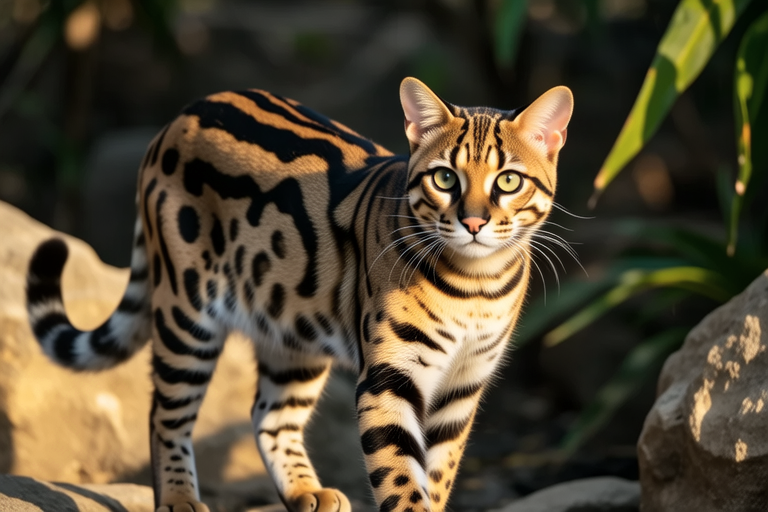
Bengal cats are often described as having a wild look due to their striking coat patterns and eye colors. The most iconic feature of the Bengal cat is their luxurious, short, and dense coat, which comes in a variety of colors and patterns. The most common pattern is the leopard-like rosette, which consists of dark spots or swirls surrounded by lighter fur. These rosettes are reminiscent of the markings found on leopards and jaguars, giving Bengal cats their distinctive and exotic appearance.
Another hallmark of the Bengal cat’s coat is the glimmering effect caused by the presence of tabby markings known as “glitter.” This trait gives the fur a metallic sheen, making it appear as if the cat is glowing in certain lighting conditions. The combination of rosettes and glitter creates a coat that is both visually stunning and tactilely appealing.
In addition to their coat patterns, Bengal cats are known for their large, almond-shaped eyes, which can be green, gold, or copper in color. The contrast between the bright eyes and the richly colored coat adds to the cat’s overall allure. The combination of these features makes the Bengal cat a truly mesmerizing sight, setting them apart from other domestic breeds.
Origins and Genetic Basis
The Bengal cat is a hybrid breed developed through selective breeding between domestic cats and Asian leopard cats. The breeding program was initiated in the 1960s by Jean Mill, who aimed to create a domestic cat with the appearance and some of the behaviors of wild cats, without the unpredictability of their wild cousins. By crossing domestic cats with Asian leopard cats, Mill hoped to produce a breed that would retain the exotic looks of the wild cats while being friendly and adaptable to life in a home environment.
The genetic basis for the Bengal cat’s striking appearance lies in the inheritance of specific genes from both parents. The Asian leopard cat contributes genes responsible for the rosette pattern and the glitter effect, while the domestic cat parent provides genes for various coat colors and patterns. Through careful breeding, breeders have been able to enhance and stabilize these desirable traits, resulting in the distinctive and beautiful Bengal cat we know today.
It is important to note that the Bengal cat is not a wild cat but a domestic breed with a wild ancestor. While they may have some of the physical traits of their wild relatives, they are fully domesticated and do not pose any threat to humans or other animals when raised in a proper environment.
Temperament and Playful Nature
Bengal cats are known for their playful and energetic nature, making them an ideal choice for active individuals or families. They are highly intelligent and curious, always ready to explore their surroundings and engage in interactive play. Their playful demeanor often leads them to mimic the hunting behavior of their wild ancestors, such as pouncing on toys or chasing after moving objects.
Bengal cats are also known for their strong bond with their human companions. They enjoy spending time with their owners and are often affectionate, though they may not be as cuddly as some other breeds. Instead, they prefer to show their affection through playful interactions and engaging in activities together. This combination of playfulness and affection makes Bengal cats a joy to have around and a favorite among cat enthusiasts.
Despite their high energy levels, Bengal cats can be quite calm and gentle when handled properly. They adapt well to different environments and can live comfortably in apartments or larger homes, as long as they have enough space to play and exercise. Their adaptable nature and friendly disposition make them a great choice for a wide range of households.
Care and Interaction Tips
While Bengal cats are generally healthy and robust, they still require proper care and attention to maintain their health and happiness. Here are some tips for potential owners on how to care for and interact with Bengal cats:
- Diet: Provide your Bengal cat with a balanced diet that meets their nutritional needs. Consult with your veterinarian to determine the appropriate amount and type of food for your cat based on their age, weight, and activity level.
- Grooming: Bengal cats have a short, dense coat that requires regular grooming to prevent matting and shedding. Use a soft-bristled brush to remove loose hair and distribute natural oils throughout the coat. Bathing may be necessary occasionally, especially if your cat enjoys playing in water.
- Exercise: Bengal cats are highly active and require plenty of opportunities to play and exercise. Provide them with a variety of toys and climbing structures to keep them entertained and engaged. Interactive play sessions with your cat can also help strengthen your bond and ensure they get the physical activity they need.
- Mental Stimulation: In addition to physical exercise, Bengal cats also require mental stimulation to keep their minds sharp and prevent boredom. Puzzle toys and training sessions can help satisfy their curiosity and keep them mentally engaged.
- Healthcare: Regular veterinary check-ups and preventive care, such as vaccinations and parasite control, are essential for maintaining your Bengal cat’s health. Be attentive to any changes in behavior or physical condition and seek veterinary advice if you notice any concerning signs.
- Socialization: Socialize your Bengal cat from a young age to ensure they are comfortable with people and other animals. Introduce them to various environments and experiences to help them develop into well-adjusted and confident cats.
Why Bengal Cats Stand Out
Bengal cats stand out in the world of feline pets due to their captivating allure and dynamic personalities. Their striking appearance, with its rosette patterns and glitter effect, sets them apart from other domestic breeds and makes them a true visual delight. Their playful and energetic nature, combined with their strong bond with their human companions, makes them a joy to have around and a favorite among cat enthusiasts.
The Bengal cat’s unique blend of wild and domestic traits also contributes to their appeal. While they may have some of the physical traits of their wild ancestors, they are fully domesticated and make wonderful pets when raised in a proper environment. Their intelligence, curiosity, and adaptability make them a great choice for a wide range of households.
For those considering adding a Bengal cat to their family, it is important to understand their specific needs and provide them with the care and attention they require. With proper care and interaction, Bengal cats can thrive and bring years of joy and companionship to their owners.
