The Arowana’s Enigmatic Charm: Why Aquarists Can’t Look Away
In the vast realm of freshwater aquarium fish, few species command attention quite like the arowana. Known for its majestic presence and unique allure, this fish has captivated the hearts and minds of aquarists around the globe. The arowana is not just another beautiful fish; it is a living fossil, a testament to the resilience and adaptability of life on Earth. With origins tracing back millions of years, the arowana has managed to retain its ancient lineage while evolving into one of the most intriguing creatures in the aquatic world.
An Ancient Lineage
Belonging to the Osteoglossidae family, arowanas have been swimming through the waters since the time of the dinosaurs. These prehistoric fish have survived numerous mass extinctions, adapting and thriving in various environments across the globe. Their survival can be attributed to their robust bodies and versatile abilities, making them a true marvel of evolutionary biology. The arowana’s resilience and longevity only add to its mystique, making it a subject of fascination for both scientists and hobbyists alike.
Majestic Appearance
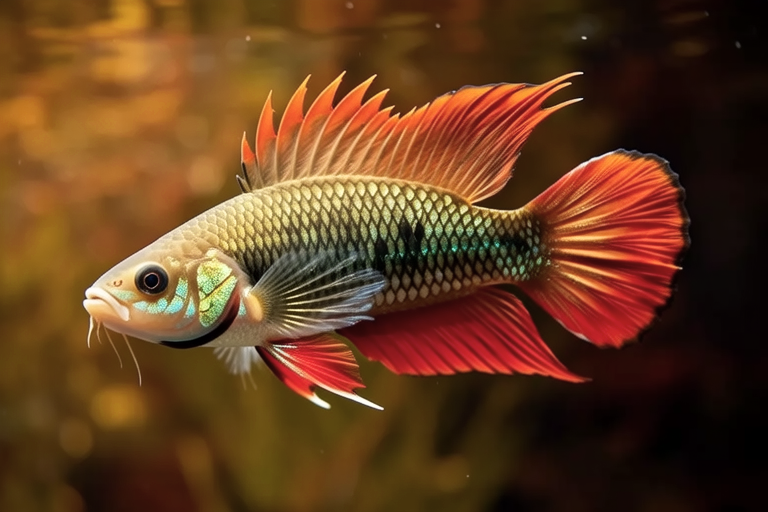
The arowana’s physical characteristics are nothing short of extraordinary. With elongated bodies that can reach up to three feet in length, these fish possess a regal bearing that commands attention. Their eyes, positioned high on their heads, provide an excellent vantage point for spotting prey above the water’s surface, a trait that has earned them the nickname “Dragon Fish” in some cultures. However, it is the arowana’s scales that truly set it apart. These shimmering, reflective scales catch the light, creating a mesmerizing play of colors that range from metallic silver to deep red, depending on the species. The scales not only protect the fish but also serve as a means of communication, reflecting light in intricate patterns that can signal dominance or readiness to mate.
Intelligence and Behavior
Arowanas are not just visually stunning; they are also incredibly intelligent and curious creatures. They exhibit a level of awareness and interaction with their environment that is rare among fish. In captivity, arowanas often display a playful demeanor, swimming towards their owners at feeding times and sometimes even nudging their hands in anticipation of food. This interactive behavior makes them a favorite among aquarists who appreciate the companionship of their pets. Additionally, arowanas are known to recognize their keepers and can develop a routine based on feeding schedules, further enhancing the bond between the fish and its caretaker.
Challenges and Rewards of Keeping Arowanas
While the allure of owning an arowana is undeniable, the challenges of keeping these fish in captivity cannot be overlooked. Arowanas require large, well-maintained tanks that can accommodate their size and swimming habits. A typical adult arowana requires a minimum tank size of 300 gallons, with additional space recommended for larger specimens. The tank must also be equipped with robust filtration systems to handle the biological load generated by such large fish. Water quality is paramount, and regular maintenance is essential to ensure the health and well-being of the arowana.
Dietary needs are another critical aspect of arowana care. In the wild, arowanas are opportunistic predators, feeding on insects, small fish, and crustaceans. In captivity, they require a varied diet that includes high-quality pellets, frozen or live foods, and occasional treats like earthworms or shrimp. Proper nutrition is crucial for maintaining the vibrant coloration and overall health of the fish. It is important to note that arowanas are slow feeders and may take longer to eat than other fish, so patience is key when observing their feeding habits.
The commitment required to keep arowanas is significant. These fish have a lifespan of up to 20 years, meaning they will become long-term companions for their owners. The responsibility of caring for such a creature extends beyond providing a suitable habitat and diet; it also involves monitoring their health and addressing any issues promptly. Despite the challenges, the rewards of keeping arowanas are immense. Watching these magnificent fish glide gracefully through the water, their scales catching the light, is a sight that never fails to inspire awe and admiration.
Cultural Significance
The arowana holds a special place in the hearts of many cultures, particularly in Asia, where it is considered a symbol of good luck and prosperity. In Chinese culture, the arowana is believed to bring wealth and fortune to those who own it. This belief stems from the fish’s association with the dragon, a powerful and revered mythical creature in Chinese mythology. As a result, arowanas are highly prized and often kept in elaborate aquariums adorned with gold coins and other symbols of wealth. In addition to their symbolic value, arowanas are also popular in the ornamental fish trade, with enthusiasts traveling great distances to acquire these magnificent creatures.
Enduring Fascination
The enduring fascination that aquarists have for arowanas lies in their unique combination of ancient heritage, striking appearance, and interactive nature. These fish offer a glimpse into the distant past, reminding us of the incredible diversity of life that has evolved over millions of years. At the same time, they provide a sense of companionship and wonder that few other pets can match. The arowana remains an enigma and a charm in the aquatic world, captivating the imagination of all who encounter it. Whether observed in the wild or cared for in a home aquarium, the arowana continues to inspire awe and admiration, ensuring its place as one of the most beloved and sought-after fish in the world.
