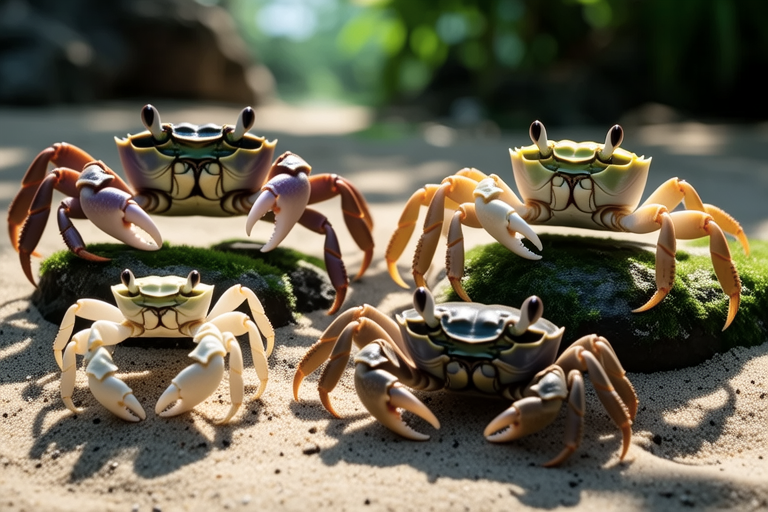
Top 10 Fun Facts About Hermit Crabs That Will Make You Love Them More
Hermit crabs may not be the first animals that come to mind when thinking about pets, but these fascinating creatures have a lot to offer. From their quirky behavior to their unique physiology, hermit crabs are full of surprises. Dive into this list of top 10 fun facts about hermit crabs and discover why they might just become your new favorite pet.
1. Hermit Crabs Are Not True Crabs
Despite their name, hermit crabs are not true crabs. They belong to the superfamily Paguroidea, which includes over 1,000 species. Unlike other crabs, hermit crabs do not have a hard exoskeleton to protect their soft abdomen. Instead, they seek out empty shells left behind by sea snails for protection. This adaptation has earned them the nickname ‘hermits,’ as they often live alone in their borrowed homes.
2. Hermit Crabs Can Change Their Shells
One of the most remarkable things about hermit crabs is their ability to change shells. As they grow, hermit crabs outgrow their current shell and need to find a larger one. This process can be quite adventurous; they will sometimes inspect several shells before finding one that fits perfectly. It’s important to provide a variety of shell sizes if you’re keeping hermit crabs as pets. This allows them to transition smoothly as they grow.
3. They Have Ten Legs
Hermit crabs have ten legs, but not all of them are used for walking. The front two legs are equipped with claws, which they use for defense and feeding. The remaining eight legs are primarily used for walking and climbing. Interestingly, the last pair of legs is modified to hold onto the inside of their borrowed shells, ensuring they don’t accidentally slip out.
4. Hermit Crabs Are Social Creatures
While they are known for living alone in their shells, hermit crabs are actually quite social. In the wild, they often gather in large groups called ‘crab balls.’ These gatherings can consist of hundreds of hermit crabs moving together, likely to find better shelter or food sources. If you decide to keep hermit crabs as pets, it’s a good idea to have multiple crabs, as they enjoy the company of others.
5. They Communicate Through Chirping
Hermit crabs communicate through chirping sounds, which they produce by rubbing their pincers together. This behavior is often observed during mating season or when they feel threatened. Each chirp can convey different messages, ranging from ‘I’m hungry’ to ‘Stay away!’ Understanding these sounds can help you better connect with your pet hermit crab.
6. Hermit Crabs Can Live Up to 30 Years
With proper care, hermit crabs can live up to 30 years. This makes them a long-term commitment, but also a rewarding one. Ensuring they have a healthy diet, clean environment, and adequate space will contribute to their longevity. Regularly cleaning their tank and providing fresh water and food are essential steps in maintaining their health.
7. They Need Saltwater Baths
Hermit crabs require saltwater baths to maintain their humidity levels and overall health. This is especially important for land hermit crabs, which are often kept as pets. A shallow dish filled with a mixture of filtered tap water and aquarium salt can be provided for this purpose. It’s crucial to use dechlorinated water, as chlorine can be harmful to hermit crabs.
8. Hermit Crabs Are Omnivores
Hermit crabs are omnivores, meaning they eat both plant and animal matter. In the wild, their diet consists of algae, decaying plants, and small marine animals. As pets, they enjoy a variety of foods, including fruits, vegetables, and protein-rich treats like fish flakes or freeze-dried shrimp. Providing a balanced diet will help your hermit crabs stay healthy and active.
9. They Can Regrow Lost Limbs
If a hermit crab loses a leg or claw, it can regrow the lost appendage over time. This regrowth process can take several molts, so patience is key. However, it’s important to note that the regrown limb may not be identical to the original. Proper nutrition and a stress-free environment can aid in the healing process and improve the chances of successful regeneration.
10. Hermit Crabs Play an Important Role in Marine Ecosystems
In addition to being fascinating pets, hermit crabs play a crucial role in marine ecosystems. They help recycle nutrients by scavenging on dead organisms and contribute to the breakdown of organic matter. By providing homes for other creatures, such as small fish or shrimp, they also support biodiversity. Understanding the importance of hermit crabs in their natural habitats can deepen your appreciation for these creatures.
Actionable Tips for Pet Hermit Crab Owners
- Provide a Variety of Shells: Ensure there are plenty of shells of different sizes and shapes for your hermit crabs to choose from.
- Keep the Environment Humid: Maintain a humid environment to prevent dehydration. Use a hygrometer to monitor humidity levels and adjust accordingly.
- Feed a Balanced Diet: Offer a mix of fruits, vegetables, and protein-rich treats to ensure your hermit crabs get all the nutrients they need.
- Regularly Clean the Tank: Keep the tank clean to prevent the buildup of harmful bacteria. This includes regular water changes and substrate maintenance.
- Handle Gently: When handling your hermit crabs, be gentle and avoid squeezing their shells. Always support their shell when picking them up.
Call to Action
Hermit crabs are truly amazing creatures with unique behaviors and characteristics. Whether you’re a seasoned pet owner or considering adding a hermit crab to your family, learning more about these fascinating animals can enrich your experience. If you’re interested in adopting a hermit crab, make sure to research and prepare adequately. Provide them with a suitable habitat, a varied diet, and plenty of love. By doing so, you’ll not only enjoy the companionship of these delightful creatures but also contribute to their well-being. Let’s continue to explore and appreciate the wonders of hermit crabs!
