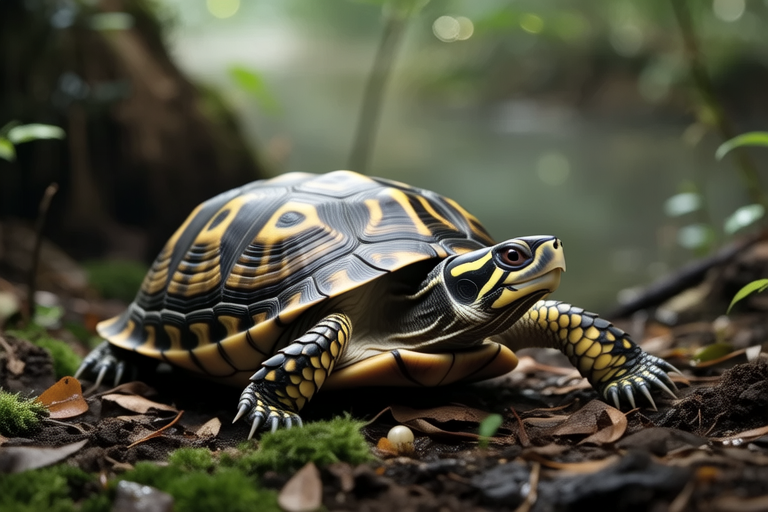
The Three-Striped Box Turtle: A Journey Through Its Natural Habitat
The three-striped box turtle (cuora trifasciata) is a captivating reptile native to parts of Asia, particularly in regions like southern China, Taiwan, and Vietnam. This turtle’s distinctive appearance, with its three prominent yellow stripes running down its dark shell, makes it a favorite among reptile enthusiasts. But beyond its striking looks, the three-striped box turtle has fascinating adaptations that allow it to thrive in its natural habitats, which include forest floors and backyard ponds. In this article, we will explore the intricacies of its environment, diet, behavior, and the challenges it faces due to human interaction.
Natural Habitat: Forest Floors and Backyard Ponds
The three-striped box turtle is most commonly found in tropical and subtropical forests. These areas provide an ideal environment for the turtle, offering both protection from predators and ample opportunities for feeding. The forest floor, covered in leaf litter and moss, provides the perfect camouflage for the turtle, allowing it to blend seamlessly with its surroundings. Additionally, the dense undergrowth offers shelter from harsh weather conditions and potential threats.
In backyard ponds, the three-striped box turtle finds another suitable habitat. These small bodies of water are often surrounded by lush vegetation, providing both shade and hiding spots. The turtles can also bask on rocks or logs near the water’s edge, absorbing heat from the sun to regulate their body temperature. The proximity to human settlements means that these turtles have adapted to living in close quarters with people, making them a common sight in many gardens and parks.
Diet and Feeding Habits
The three-striped box turtle is an omnivore, meaning it consumes both plant matter and animal protein. In the wild, its diet consists primarily of fruits, vegetables, and insects. As juveniles, they tend to consume more animal matter, such as snails, slugs, and worms, while adults favor a more herbivorous diet. This flexibility in diet allows the turtle to adapt to varying food availability within its habitat.
When foraging in the forest, the three-striped box turtle uses its keen sense of smell to locate food. It will often dig through leaf litter in search of earthworms or other small invertebrates. In backyard settings, these turtles may be attracted to gardens where they can find ripe fruits and vegetables. Owners of backyard ponds might notice their turtles feeding on algae or small fish that inhabit the pond.
Behavior and Social Interactions
Three-striped box turtles are generally solitary animals, spending much of their time alone. They are active during the day, particularly in the early morning and late afternoon when temperatures are milder. During these times, they can often be seen basking in the sun or slowly moving through their habitat in search of food. Despite their solitary nature, these turtles do exhibit some social behaviors, especially during breeding season.
Mating typically occurs between April and June, with males becoming more aggressive and territorial as they seek out females. After mating, the female will lay her eggs in a shallow nest dug into the ground, usually in a sunny spot. She may lay up to five eggs at a time, with multiple clutches produced throughout the breeding season. Once the eggs are laid, the female leaves the nest, and the hatchlings must fend for themselves once they emerge.
Environmental Needs and Adaptations
The three-striped box turtle has several adaptations that help it survive in its natural environment. One of the most notable is its ability to retract its head, legs, and tail into its shell for protection. This defense mechanism is particularly useful when facing predators such as birds of prey or larger mammals. Additionally, the turtle’s hard shell provides insulation, helping to maintain a stable internal temperature.
Another important adaptation is the turtle’s ability to hibernate. During colder months, the three-striped box turtle will burrow underground or find a protected crevice in which to spend the winter. This hibernation period allows the turtle to conserve energy and survive periods of low food availability. In backyard settings, owners should ensure that their turtles have access to a safe place to hibernate, such as a specially constructed hibernation box.
Impact of Human Interaction
The increasing presence of humans in the three-striped box turtle’s natural habitat has had significant effects on the species. Urbanization and deforestation have led to the destruction of many of the turtle’s preferred environments, reducing available space and food sources. Additionally, the pet trade has placed further pressure on wild populations, as demand for these attractive reptiles has increased.
Backyard ponds and gardens can offer a refuge for the three-striped box turtle, but they also pose certain risks. Domestic pets, such as cats and dogs, can threaten the turtles’ safety, while pesticides and fertilizers used in gardening can contaminate the soil and water, potentially harming the turtles. It is crucial for those who keep these turtles in their backyards to create a safe and healthy environment for them.
Conservation Efforts
Given the challenges faced by the three-striped box turtle, numerous conservation efforts have been initiated to protect this species. Many organizations focus on habitat restoration, working to preserve and expand suitable environments for the turtles. Captive breeding programs have also been established to increase population numbers and reduce the pressure on wild populations.
Education plays a vital role in conservation efforts. By raising awareness about the importance of protecting the three-striped box turtle and its habitat, we can encourage responsible pet ownership and sustainable land use practices. Individuals can contribute to these efforts by supporting local conservation groups, participating in community clean-up events, and spreading the word about the need to protect these unique creatures.
Conclusion
The three-striped box turtle is a remarkable species with a rich history and fascinating adaptations. From its natural habitat on forest floors to its presence in backyard ponds, this turtle has shown remarkable resilience in adapting to changing environments. However, the increasing impact of human activities poses significant threats to its survival. By understanding the environmental needs of the three-striped box turtle and taking steps to protect its habitat, we can help ensure the continued existence of this beautiful creature for generations to come.
