From Frozen Lands to Your Heart: Why You Need a Siberian Husky
Siberian Huskies have captivated the hearts of dog lovers around the world with their striking appearance and endearing personalities. These dogs have a rich history that dates back centuries, originating from the harsh, unforgiving landscapes of Siberia. Their story is one of resilience, adaptability, and companionship, qualities that have made them not only essential workers but also cherished pets. Let us delve into the fascinating world of these magnificent creatures, exploring their origins, physical attributes, temperament, and the reasons why they make exceptional companions.
The Origins and History of Siberian Huskies
The Siberian Husky, originally bred by the Chukchi people of northeastern Asia, was developed as a working sled dog. The Chukchi needed a breed that could endure the extreme cold and harsh conditions of the Siberian tundra while still maintaining the strength and stamina required for long-distance sledding. Over time, the Chukchi perfected the breed, selecting for traits such as endurance, intelligence, and loyalty. These qualities enabled the Siberian Husky to become an indispensable part of their daily lives, pulling sleds laden with supplies and helping to hunt game.
In the early 20th century, Siberian Huskies were introduced to Alaska during the Nome Gold Rush. They quickly gained popularity among mushers due to their ability to cover vast distances at a steady pace without tiring. Perhaps the most famous expedition involving Siberian Huskies was the serum run of 1925, when a team of these dogs delivered life-saving diphtheria antitoxin across treacherous terrain to the isolated town of Nome. This heroic feat cemented the breed’s reputation for bravery and endurance, and it earned them a place in American history.
Physical Attributes
Siberian Huskies possess several physical features that set them apart from other breeds. Their double-layered coat, which consists of a dense undercoat and a longer outer coat, provides excellent insulation against the biting winds of their native land. This coat can come in a variety of colors, including black and white, gray and white, copper red and white, pure white, or all brindle. The coat’s versatility allows Siberian Huskies to thrive in various climates, from the frozen tundra to warmer regions.
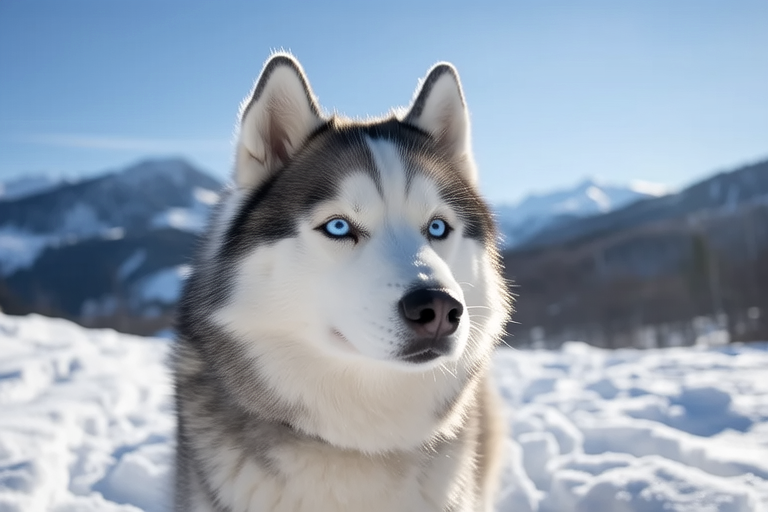
One of the most distinctive features of the Siberian Husky is their piercing blue eyes, though they can also have brown, amber, or even one eye of each color, known as heterochromia. Their expressive gaze adds to their charm and makes them appear almost mystical. Another notable feature is their small, triangular ears, which stand erect and provide excellent hearing. These ears, along with their keen sense of smell, help the dogs navigate their surroundings and detect potential dangers.
Despite their relatively small size, Siberian Huskies are incredibly strong and agile. They have a muscular build and a sturdy frame, enabling them to pull heavy loads over long distances. Their endurance and strength make them ideal for outdoor activities and athletic pursuits. However, their beauty and grace extend beyond their physical capabilities; their playful demeanor and affectionate nature make them beloved members of many households.
Temperament and Personality
Siberian Huskies are known for their friendly and outgoing personalities. They are typically good-natured and enjoy being around people, making them great family pets. Their loyalty to their human companions is unwavering, and they form strong bonds with their owners. Despite their independent streak, Siberian Huskies are generally affectionate and seek attention from their families. They thrive on interaction and socialization, which makes them excellent companions for active individuals or families.
One of the most appealing aspects of Siberian Huskies is their playfulness. They love to engage in games and activities that challenge their minds and bodies. Their high energy levels mean they require plenty of exercise and mental stimulation to stay happy and healthy. This playfulness extends to their interactions with other dogs, as they tend to be very sociable and get along well with others. However, their natural instinct to chase and herd may need to be managed, especially around smaller animals.
While Siberian Huskies are generally good-natured, they can be somewhat stubborn and independent. This trait stems from their history as working dogs, where they had to make quick decisions and act independently in challenging situations. Training a Siberian Husky requires patience, consistency, and positive reinforcement. It’s important to establish yourself as the leader and set clear boundaries, but this should be done in a loving and respectful manner. With proper training, Siberian Huskies can become well-behaved and obedient pets.
Common Misconceptions About Siberian Huskies
Despite their growing popularity, there are several misconceptions about Siberian Huskies that potential owners should be aware of. One common misconception is that they are hypoallergenic. While some people believe that their thick coats make them less likely to cause allergies, this is not true. All dogs produce dander and saliva, which can trigger allergic reactions in sensitive individuals. If you or someone in your household has allergies, it’s best to spend time with a Siberian Husky before committing to ownership.
Another misconception is that Siberian Huskies are easy to train. Due to their independent nature, they can be challenging to train, especially if you lack experience with working breeds. It’s important to approach training with patience and consistency, using positive reinforcement techniques to encourage good behavior. While Siberian Huskies may take longer to learn new commands than some other breeds, they are intelligent and capable of learning a wide range of skills with the right guidance.
Lastly, some people mistakenly believe that Siberian Huskies are suitable for apartment living. While they can adapt to city life, they require a significant amount of exercise and mental stimulation to stay happy and healthy. Without adequate outlets for their energy, Siberian Huskies may become destructive or develop behavioral issues. For this reason, it’s important to consider their exercise needs before bringing one into your home.
Tips for Potential Owners
If you’re considering adding a Siberian Husky to your family, there are several factors to keep in mind. First and foremost, training is essential for ensuring that your dog becomes a well-behaved and obedient member of your household. Positive reinforcement techniques, such as treats and praise, work well with Siberian Huskies. Consistency is key, so it’s important to establish clear rules and expectations from the beginning. Enrolling in obedience classes can also be beneficial, providing structured training and socialization opportunities.
Exercise is another crucial aspect of owning a Siberian Husky. These dogs have a lot of energy and require regular physical activity to stay healthy and happy. Daily walks, runs, and play sessions are necessary to meet their exercise needs. If possible, consider incorporating more adventurous activities, such as hiking or agility training, to keep them mentally stimulated. Providing opportunities for them to engage in physical activities will help prevent boredom and destructive behaviors.
Grooming is also an important consideration for potential owners. Siberian Huskies shed heavily twice a year, and they require regular brushing to manage shedding and maintain their coat’s health. During peak shedding periods, daily brushing may be necessary to prevent hair from accumulating throughout your home. Additionally, bathing should be done sparingly, as frequent washing can strip the coat of its natural oils. Regular nail trimming and ear cleaning are also important for maintaining their overall hygiene.
Personal Stories and Testimonials
Many owners share heartwarming stories about the deep bond they’ve formed with their Siberian Huskies. One owner, Sarah, recalls how her Siberian Husky, Max, saved her life during a difficult time. “Max was always there for me, offering comfort and companionship when I needed it most. His loyalty and unconditional love helped me through some of the toughest moments in my life.” Another owner, John, speaks fondly of his dog, Bella, and the adventures they’ve shared. “Bella is my partner in crime, whether we’re hiking through the mountains or just lounging in the backyard. She brings so much joy and excitement to my life.”
These personal stories illustrate the profound connection that can develop between humans and Siberian Huskies. Their loyalty, affection, and playful nature make them wonderful companions, and their unique appearance adds to their charm. Whether you’re an experienced dog owner or considering adopting your first pet, a Siberian Husky can bring years of happiness and fulfillment to your life.
In conclusion, Siberian Huskies are more than just beautiful dogs; they are resilient, adaptable, and loyal companions. From their origins in the frozen lands of Siberia to their place in modern-day homes, these dogs have proven their worth time and time again. By understanding their physical attributes, temperament, and specific needs, potential owners can ensure that they provide the best care for their new furry friend. With proper training, exercise, and grooming, Siberian Huskies can thrive in any environment, bringing joy and companionship to their human families.
