The Spiky Marvel: An In-depth Look at Heterometrus Spinifer
Heterometrus spinifer, commonly known as the spiky marvel, is a fascinating species of scorpion native to Southeast Asia. This article delves into the unique characteristics, habitat, behavior, and ecological significance of this remarkable creature. We will explore its physical attributes, diet, reproduction methods, and interactions within its ecosystem, dispel common myths, and discuss conservation efforts.
Physical Attributes
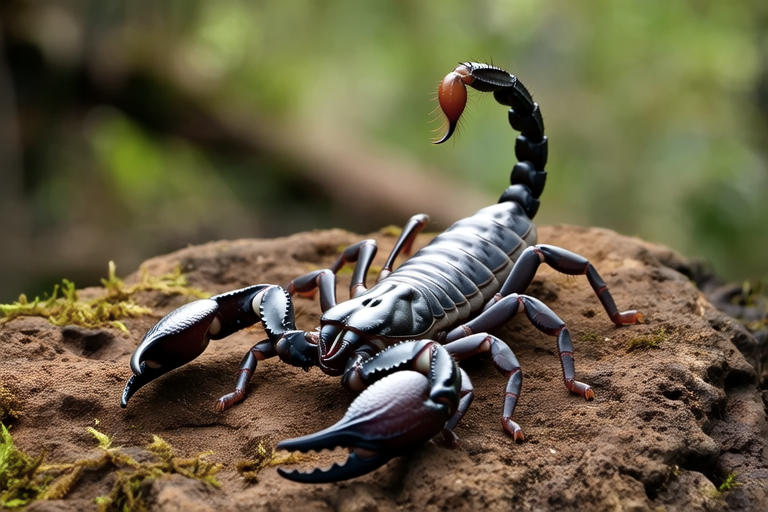
The spiky marvel is easily recognizable by its distinct physical features. It has a flattened, segmented body divided into three main parts: the prosoma (head), mesosoma (abdomen), and metasoma (tail). The most striking feature of Heterometrus spinifer is its robust pincers, which are larger compared to those of other scorpions. These pincers, or pedipalps, are used for grasping prey, defense, and mating rituals. The tail, adorned with a sharp stinger, is also notably thick and curved, making it an intimidating presence to potential predators.
The exoskeleton of the spiky marvel is covered in small, pointed structures that give the scorpion its characteristic ‘spiky’ appearance. These spines serve multiple functions, including protection against predators and aiding in locomotion over various terrains. The coloration of Heterometrus spinifer varies from brown to dark green, providing excellent camouflage in its natural habitat.
Habitat and Distribution
The spiky marvel is predominantly found in tropical rainforests, dense jungles, and humid regions of Southeast Asia, particularly in countries like Thailand, Malaysia, and Indonesia. It thrives in environments characterized by high humidity and temperatures, often seeking refuge under rocks, logs, and in crevices. The scorpion’s preference for moist, shaded areas underscores its adaptation to the hot and wet conditions typical of its habitat.
These creatures are nocturnal, emerging at night to hunt for food. During the day, they retreat to cooler, darker spots to avoid the harsh sunlight and conserve energy. The spiky marvel’s ability to adapt to its environment is crucial for its survival, especially given the diverse array of predators that inhabit these regions.
Diet and Feeding Behavior
The spiky marvel is a carnivorous predator, feeding primarily on insects, spiders, and other small arthropods. Its diet includes a wide variety of prey, from ants and termites to crickets and grasshoppers. The scorpion uses its keen sense of touch and vibration detection to locate potential meals. Once a target is identified, it employs its powerful pincers to grasp and immobilize the prey before injecting venom through its stinger.
The venom of Heterometrus spinifer contains neurotoxins that paralyze the prey, making it easier to consume. While the venom is potent enough to subdue small animals, it poses little threat to humans unless provoked. Despite its fearsome reputation, the spiky marvel is generally not aggressive toward humans and will only attack if threatened.
Reproduction and Life Cycle
The reproductive process of the spiky marvel involves complex behaviors and physiological changes. Mating typically occurs during the rainy season when environmental conditions are optimal. Male and female scorpions engage in a courtship dance, involving intricate movements of their bodies and pincers. After successful copulation, the female carries the fertilized eggs internally until they hatch. She then gives birth to live young, usually numbering between 20 and 40 offspring.
The newly born scorpions, called scorplings, are carried on the mother’s back for several days until their first molt. During this period, they are highly vulnerable and rely on their mother for protection. As they grow, the scorplings gradually become more independent, eventually leaving the maternal care to fend for themselves. The life expectancy of Heterometrus spinifer is approximately 6 to 8 years, with females living slightly longer than males.
Interaction with Ecosystem
The spiky marvel plays a crucial role in maintaining the balance of its ecosystem. By preying on insects and other small arthropods, it helps control populations of potentially harmful species. Additionally, the burrowing activities of adult scorpions contribute to soil aeration and nutrient cycling. However, the impact of human activities, such as deforestation and urbanization, poses significant threats to the spiky marvel and its habitat.
Conservation efforts are essential to protect this species and preserve the delicate balance of its ecosystem. Many organizations are working towards creating protected areas and promoting sustainable land use practices to safeguard the habitats of Heterometrus spinifer. Public awareness campaigns are also vital in educating people about the importance of preserving biodiversity and reducing human-wildlife conflicts.
Myths and Misconceptions
One common misconception about the spiky marvel is that it is highly dangerous to humans. While its venom can cause pain and localized swelling in humans, it is generally not lethal. Another myth is that all scorpions glow under ultraviolet light. While some species do exhibit fluorescence, this is not a universal trait among scorpions, including the spiky marvel.
It is important to approach these creatures with caution and respect. Understanding their true nature helps dispel fear and fosters appreciation for the unique adaptations and behaviors that make them such fascinating subjects of study.
Conservation Efforts
The ongoing degradation of natural habitats due to human activities necessitates concerted efforts to conserve the spiky marvel. Conservationists advocate for the establishment of protected areas where these scorpions can thrive without interference. Educational programs aimed at raising public awareness about the importance of biodiversity and responsible land management are also crucial.
Efforts to reduce human-wildlife conflicts include implementing strategies such as creating buffer zones around residential areas and encouraging community participation in conservation initiatives. By fostering a deeper understanding of the spiky marvel and its ecological significance, we can work towards ensuring its survival for future generations.
Conclusion
The spiky marvel, Heterometrus spinifer, is a captivating and essential part of Southeast Asian ecosystems. With its distinctive physical attributes, nocturnal hunting habits, and critical role in maintaining ecological balance, this species offers valuable insights into the wonders of nature. By addressing misconceptions and supporting conservation efforts, we can help ensure the continued existence of the spiky marvel and the rich biodiversity it represents.
