The Ultimate Hamster Diet Plan: Foods That Will Keep Your Pet Thriving
Hamsters are delightful pets that require special care to ensure they lead healthy and long lives. A crucial aspect of this care is providing them with a balanced diet that meets all their nutritional needs. Just like humans, hamsters need a variety of nutrients to thrive, and their diet can significantly impact their overall health and longevity. This article will guide you through creating the perfect diet plan for your hamster, ensuring it stays happy and healthy.
Understanding Essential Nutrients for Hamsters
Hamsters require a diet rich in carbohydrates, proteins, fats, vitamins, and minerals. Carbohydrates provide energy, while proteins help build muscles and repair tissues. Fats are necessary for insulation and energy storage. Vitamins and minerals are vital for various physiological functions, including bone development and immune system support.
- Carbohydrates: Found in grains and seeds, these are the primary source of energy for hamsters.
- Proteins: Essential for muscle growth and repair, proteins can be sourced from insects, eggs, and dairy products.
- Fats: Important for energy storage and insulation, fats can be found in nuts and seeds.
- Vitamins: Necessary for various metabolic processes, vitamins can be obtained from fruits and vegetables.
- Minerals: Vital for bone health and other bodily functions, minerals are present in grains, seeds, and vegetables.
Recommended Fresh Vegetables and Fruits
Incorporating fresh vegetables and fruits into your hamster’s diet can provide essential vitamins and minerals. However, it’s important to introduce new foods gradually to prevent digestive issues.
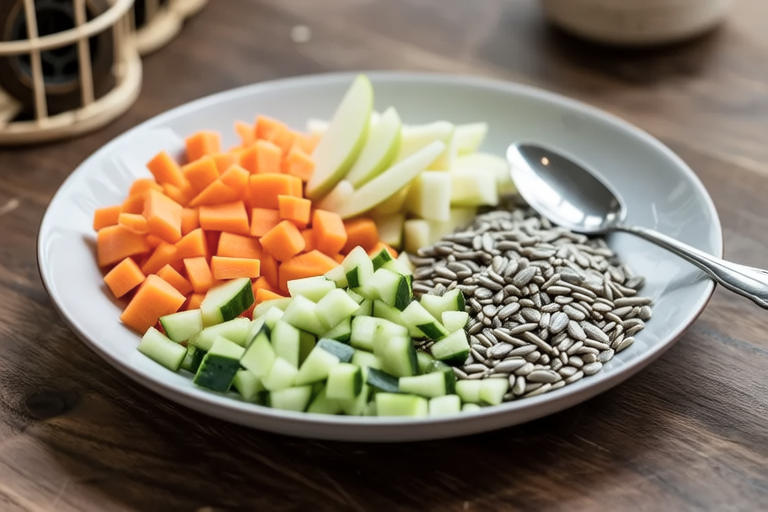
- Vegetables: Leafy greens like spinach, kale, and lettuce are excellent choices. Other vegetables such as carrots, bell peppers, and broccoli offer a range of nutrients.
- Fruits: Small amounts of apples, berries, and melon can be given occasionally. Avoid citrus fruits as they may cause digestive upset.
Appropriate Grains and Seeds
Grains and seeds form the foundation of a hamster’s diet. They are rich in carbohydrates and fats, providing the necessary energy and nutrition.
- Grains: Oats, barley, and wheat are good options. These grains should be whole and unprocessed.
- Seeds: Sunflower seeds, pumpkin seeds, and flaxseeds are beneficial. However, seeds should be given sparingly due to their high-fat content.
Safe Protein Sources
Protein is crucial for muscle growth and repair. Safe protein sources for hamsters include boiled eggs, cooked chicken, and small amounts of cottage cheese. Always ensure that the protein is cooked and free from seasonings.
The Necessity of Clean Water
Water is essential for all living beings, and hamsters are no exception. Providing clean, fresh water daily is vital for hydration and overall health. Consider using a water bottle designed specifically for small animals to avoid spillage.
Portion Control and Frequency of Feeding
Overfeeding can lead to obesity, while underfeeding can result in malnutrition. A general guideline is to feed your hamster once in the morning and once in the evening, offering enough food for them to finish within a few hours. Monitor their eating habits and adjust portions accordingly.
Warnings About Toxic Foods and Common Feeding Mistakes
Some foods can be harmful or even fatal to hamsters. Avocados, chocolate, caffeine, and sugary snacks should be avoided at all costs. Additionally, never feed your hamster moldy or spoiled food. Overfeeding on certain foods, especially those high in fat or sugar, can also lead to health problems.
Maintaining a Healthy Weight and Signs of Dietary Deficiencies or Excesses
Regularly monitor your hamster’s weight and appearance. A healthy hamster should have a smooth coat and clear eyes. If you notice any changes, such as excessive weight gain or loss, consult a veterinarian. Signs of dietary deficiencies might include lethargy, poor coat condition, and unusual behavior.
Conclusion
A well-balanced diet is crucial for the health and longevity of your hamster. By understanding their nutritional needs and providing a varied diet, you can ensure your pet leads a happy and healthy life. Remember to always introduce new foods gradually, monitor portion sizes, and keep an eye out for any signs of dietary imbalance. With proper care and attention, your hamster can enjoy a long and vibrant life.
