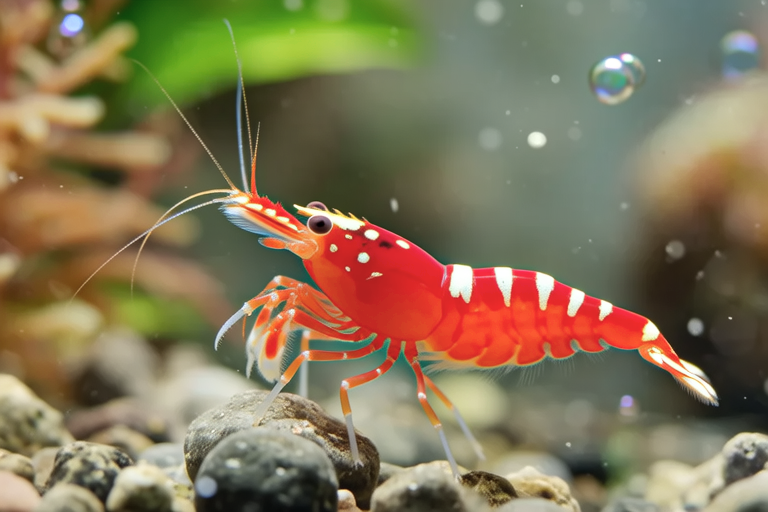
Coral Shrimp Survival Guide: Tips And Tricks For Thriving Aquariums
Welcome to the vibrant world of coral shrimp! These small, colorful creatures have become increasingly popular among aquarium enthusiasts due to their unique appearance and relatively low-maintenance care requirements. Their striking colors and gentle demeanor make them an attractive addition to any saltwater aquarium, whether you’re a beginner or an experienced aquarist.
Natural Habitat and Ideal Tank Conditions
Understanding the natural habitat of coral shrimp is crucial for creating a suitable environment in your aquarium. Coral shrimp (genus Symphalangus) are typically found in shallow, tropical waters near coral reefs and rocky shores. They thrive in areas rich with algae and microorganisms, which serve as their primary food sources.
To replicate this environment, it’s essential to maintain specific water parameters in your aquarium. The optimal pH range for coral shrimp is between 8.1 and 8.4, with a salinity level of approximately 1.023 to 1.025 specific gravity. Temperature should be kept between 72°F and 82°F (22°C to 28°C). Adequate filtration is also necessary to ensure clean water and prevent the buildup of harmful toxins.
Coral shrimp require plenty of hiding spots and places to explore within the tank. Incorporating live rock, caves, and other structures can provide these necessary spaces while enhancing the overall aesthetic appeal of your aquarium.
Selecting Healthy Coral Shrimp
When choosing coral shrimp from a breeder or pet store, there are several factors to consider. Look for shrimp that are active and alert, moving around their enclosure and interacting with their surroundings. Avoid any shrimp showing signs of lethargy, discoloration, or physical deformities.
It’s also important to check the water quality in the shrimp’s holding tanks. Clean, well-maintained tanks indicate good breeding practices and healthier shrimp. Ask about the breeding process and any potential health concerns before making a purchase.
Suitable Tank Mates
Selecting appropriate tank mates is crucial for maintaining harmony in your aquarium. Coral shrimp are generally peaceful and can coexist with many species of fish and invertebrates. However, caution should be exercised when introducing larger or more aggressive fish that may see the shrimp as prey.
Good tank mates for coral shrimp include other peaceful invertebrates like snails, hermit crabs, and certain species of sea stars. Fish such as clownfish, damselfish, and some wrasses are also compatible. It’s best to avoid predatory fish, large angelfish, and triggerfish, as they may pose a threat to your coral shrimp.
Feeding Habits and Diet
Coral shrimp are omnivorous, feeding primarily on algae, detritus, and small organisms found in their environment. In captivity, they can be fed a variety of foods, including high-quality flake foods, frozen brine shrimp, and algae wafers. A balanced diet will help ensure your shrimp remain healthy and vibrant.
Feed your coral shrimp once or twice daily, offering just enough food so that they can consume it within a few minutes. Overfeeding can lead to poor water quality and health issues for your shrimp. Regularly cleaning uneaten food from the tank helps maintain a clean environment.
Common Health Issues and Preventive Measures
Despite their hardiness, coral shrimp can still experience health problems if not properly cared for. Common issues include bacterial infections, parasitic infestations, and stress-related illnesses. Signs of distress in coral shrimp may include reduced activity, pale coloration, or abnormal swimming patterns.
To prevent these issues, maintain excellent water quality through regular water changes and proper filtration. Quarantine new additions to your tank for at least two weeks to monitor for any signs of illness. Additionally, providing a varied and nutritious diet will help strengthen your shrimp’s immune system.
Maintenance Tips for Long-Term Care
Regular maintenance is key to ensuring the longevity and well-being of your coral shrimp. Perform weekly partial water changes of about 10-20% to remove waste and maintain stable water parameters. Inspect your shrimp regularly for any signs of injury or disease.
Monitor the condition of your aquarium equipment, including filters, heaters, and lighting systems. Proper functioning of these components ensures a stable environment for your shrimp. Also, consider adding beneficial bacteria supplements to promote a healthy microbial balance in your tank.
In conclusion, coral shrimp offer a delightful addition to any saltwater aquarium, bringing vibrant color and gentle movement to your underwater landscape. By understanding their natural habitat, selecting healthy specimens, providing suitable tank mates, and maintaining a clean, well-balanced environment, you can ensure your coral shrimp thrive and bring joy to your aquatic world for years to come.
