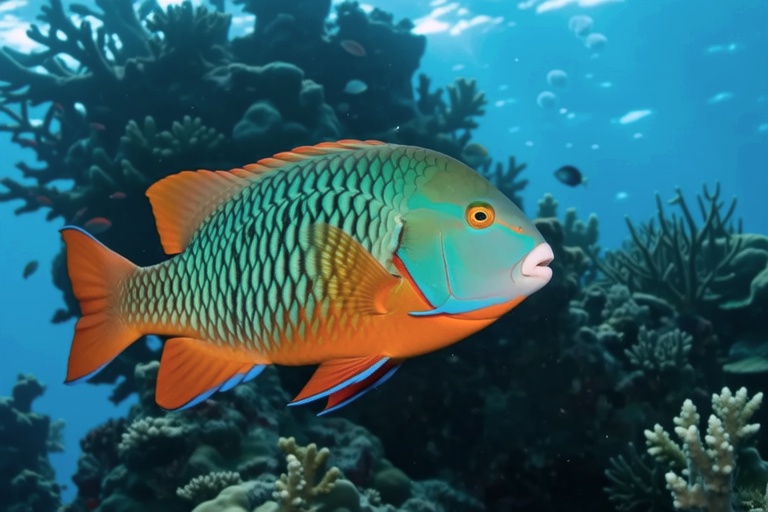
Top 10 Fascinating Facts About Parrot Fish You Didn’t Know
Parrotfish, with their vibrant colors and unique behaviors, are some of the most fascinating creatures in the ocean. These fish play crucial roles in maintaining coral reef ecosystems. Dive into this article to uncover ten lesser-known facts about these remarkable marine animals.
Fact 1: The Colorful Palette of Camouflage
Parrotfish are renowned for their dazzling array of colors, ranging from electric blues and greens to deep reds and oranges. However, these hues serve more than just aesthetic purposes. According to a study published in the journal Biology Letters, the bright colors act as a form of camouflage against predators. During the day, when they’re active and feeding, their vibrant colors help them blend into the colorful coral reefs. At night, they change into a duller color scheme to avoid detection while resting.
Fact 2: Transformative Sleepovers
One of the most astonishing aspects of parrotfish biology is their ability to undergo metamorphosis. As juveniles, many species start off as females but can later become males, a phenomenon known as protogynous hermaphroditism. This transformation isn’t just about changing sex; it involves significant physiological changes, including alterations in body shape and coloration. This adaptability ensures genetic diversity within populations, which is vital for survival.
Fact 3: Architects of the Reef
Parrotfish are often referred to as the architects of the reef due to their role in shaping the marine environment. Their beak-like mouths are equipped with strong teeth that allow them to scrape algae from coral surfaces. In doing so, they inadvertently contribute to the maintenance and growth of coral reefs by removing harmful algae and promoting the settlement of new coral polyps. A single large parrotfish can consume over five tons of coral each year, significantly impacting the ecosystem’s structure.
Fact 4: The Secret Life of Sleep
While parrotfish are active during the day, they engage in intriguing nocturnal activities. To protect themselves from predators, they create sleeping bags out of mucus secreted from special glands near their gills. This mucus acts as a protective barrier, masking their scent and making them less detectable to nocturnal hunters. Additionally, the mucus may have antibiotic properties, helping to ward off potential infections.
Fact 5: Diverse Diet, Diverse Species
The diet of parrotfish varies widely among different species. Some feed primarily on algae, while others consume a mix of plant and animal matter. For instance, the stoplight parrotfish (Sparisoma viride) has a preference for red and green algae, whereas the queen parrotfish (Scarus vetula) feeds on a variety of algae and small invertebrates. This dietary diversity contributes to their success across various habitats, from shallow reefs to deeper waters.
Fact 6: The Social Lives of Parrotfish
Parrotfish exhibit complex social behaviors that are both fascinating and essential for their survival. They often live in harems, where one dominant male controls several females. However, if the dominant male disappears, the largest female can quickly transform into a male to fill the gap. This social structure ensures that mating opportunities remain high, increasing the chances of successful reproduction.
Fact 7: The Role of Parrotfish in Coral Bleaching
In recent years, coral bleaching events have devastated many coral reefs worldwide. Parrotfish play a critical role in mitigating the effects of coral bleaching. By consuming algae that thrive on weakened corals, they prevent the overgrowth that could otherwise smother the reefs. Their grazing habits also promote the regeneration of damaged coral tissue, thereby aiding in the recovery process.
Fact 8: The Impact of Human Activities
Despite their importance to marine ecosystems, parrotfish face numerous threats from human activities. Overfishing, habitat destruction, and pollution have led to declines in many populations. Conservation efforts, such as the establishment of marine protected areas, are crucial for safeguarding these vital species. Additionally, sustainable fishing practices and reduced pollution can help ensure the survival of parrotfish and the health of coral reefs.
Fact 9: The Mystery of Migration
Some parrotfish species undertake long migrations, traveling vast distances across oceans. While the exact reasons for these migrations are not fully understood, scientists believe they may be related to breeding patterns or the search for optimal feeding grounds. Understanding these migration patterns is vital for effective conservation strategies, as it helps identify key areas for protection.
Fact 10: The Future of Parrotfish
As global climate change continues to impact marine environments, the future of parrotfish remains uncertain. Rising sea temperatures, ocean acidification, and increased storm activity pose significant challenges to these species and the ecosystems they inhabit. Continued research and conservation efforts are necessary to ensure the survival of parrotfish and the health of coral reefs, which are crucial for countless marine organisms and coastal communities.
From their transformative abilities to their crucial roles in reef ecology, parrotfish are truly remarkable creatures. By understanding and appreciating these fascinating fish, we can work towards preserving their habitats and ensuring their continued existence in our oceans.
