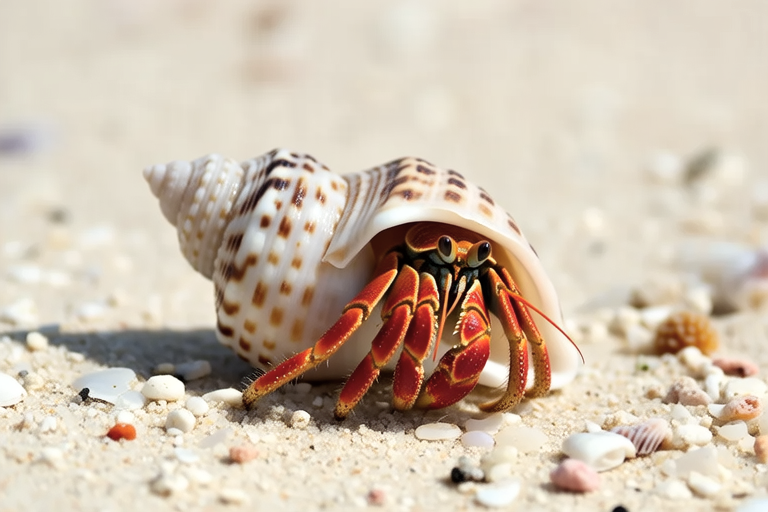
The Ultimate Guide to Hermit Crab Care: Tips for Happy and Healthy Shells
Introduction
Welcome to the world of hermit crabs! These fascinating creatures require specific care to thrive. This guide will provide you with all the information needed to ensure your hermit crabs lead happy and healthy lives.
Suitable Habitats
Creating an ideal habitat for your hermit crabs is crucial. They need a spacious tank that allows them to move around freely. A ten-gallon tank is sufficient for a small group, but larger tanks are recommended for more crabs.
Substrate is another important factor. Use a mix of sand and coconut fiber for a natural environment. The substrate should be at least two inches deep to allow burrowing. Avoid using calcium-based substrates as they can be harmful.
In addition to substrate, include plenty of hiding spots, such as cork bark or driftwood. Hermit crabs are nocturnal and need places to hide during the day.
Temperature and Humidity Requirements
Maintaining the right temperature and humidity levels is vital for your hermit crabs’ health. The ideal temperature range is between 75°F and 85°F (24°C to 29°C). Use a digital thermometer to monitor the temperature accurately.
Humidity should be kept at 70% to 80%. This can be achieved by misting the tank daily and providing a shallow water dish. A hygrometer is useful for measuring humidity levels.
Adequate ventilation is also necessary. Ensure there are small air holes in the tank lid to prevent condensation buildup.
Diet Specifics
Hermit crabs are omnivores and require a balanced diet. Offer a variety of foods, including commercial hermit crab food, fruits, vegetables, and proteins like boiled eggs or fish. Freshwater and saltwater dishes should be provided to ensure they can drink and bathe properly.
Always wash fruits and vegetables thoroughly before feeding. Avoid sugary treats and processed foods. Provide fresh food daily and remove uneaten portions promptly to maintain hygiene.
Vitamins and minerals are essential. You can supplement their diet with calcium and multivitamin powders specifically designed for hermit crabs.
Shell Changing Habits
Providing a selection of shells is important for your hermit crabs. Ensure the shells are clean and varied in size and shape. Hermit crabs will periodically change shells as they grow, so having a selection available is crucial.
Observe your crabs during the shell-changing process. If a crab is reluctant to leave its current shell, gently assist by placing the new shell next to it. Be patient, as this process can take time.
Regularly check the condition of the shells. Replace any damaged or worn-out shells to prevent infections or injuries.
Common Health Issues
Despite your best efforts, hermit crabs may still encounter health problems. Common issues include molting difficulties, shell rot, and parasites.
During molting, hermit crabs become vulnerable. They may remain hidden for several weeks while their exoskeleton hardens. Keep the humidity high during this period and avoid disturbing them.
Shell rot is a fungal infection that can occur if the shell is damp or dirty. Clean affected shells immediately and replace them with new ones.
Parasites can also affect hermit crabs. Regularly inspect your crabs for signs of infestation and consult a veterinarian if necessary.
Regular Habitat Maintenance
Maintaining a clean habitat is essential for your hermit crabs’ well-being. Perform a thorough cleaning once a month. Remove uneaten food, old substrate, and any debris.
Replace the substrate every few months to prevent bacterial growth. Clean the tank and accessories with a weak bleach solution, rinsing thoroughly afterward.
Monitor the water dishes daily. Change the water regularly and ensure it remains fresh. Cleaning the tank helps prevent odors and keeps the environment pleasant.
