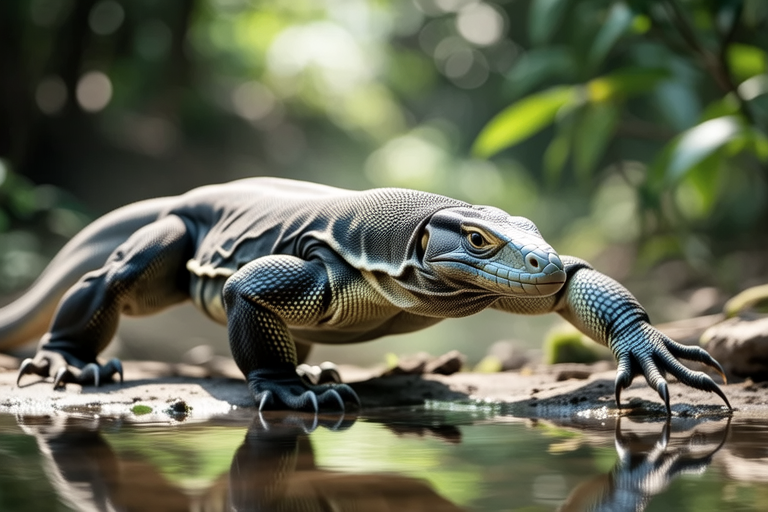
Size Matters: Raising the Massive and Majestic Water Monitor Lizard
The water monitor lizard (Varanus salvator) is one of the largest lizards in the world, known for its impressive size, agility, and intelligence. These reptiles can grow up to 3 meters in length and weigh over 50 kilograms, making them a truly remarkable sight. If you’re considering raising a water monitor lizard, it’s important to understand the commitment and responsibility that comes with caring for such a massive and majestic creature.
The Size and Majesty of Water Monitor Lizards
Water monitors are indeed a sight to behold, with their long, muscular bodies, powerful tails, and sharp claws. They have excellent eyesight and a keen sense of smell, which helps them hunt efficiently. Their size alone is a testament to their adaptability and strength, allowing them to thrive in diverse environments. These lizards are highly intelligent, often displaying problem-solving abilities and learning from their experiences.
Habitat and Natural Environment
In the wild, water monitors are found in Southeast Asia, particularly in countries like Indonesia, Malaysia, and the Philippines. They inhabit areas near rivers, swamps, and coastal regions, where they can find ample food and shelter. These lizards are semi-aquatic, meaning they spend time both on land and in water, diving to catch prey or escape predators. In captivity, it’s crucial to replicate these conditions as closely as possible to ensure the health and happiness of your pet.
Diet and Feeding Requirements
Water monitors are carnivorous, with a diet consisting mainly of small mammals, birds, fish, insects, and other reptiles. In captivity, their diet can include mice, rats, feeder fish, and occasionally insects. It’s important to provide a varied diet to ensure proper nutrition and avoid any deficiencies. Juvenile water monitors require more frequent feeding, while adults can be fed less frequently. Always ensure that the food items are appropriate in size and nutrition to prevent digestive issues.
Care Requirements for Captivity
Raising a water monitor lizard requires careful planning and dedication. The enclosure must be spacious enough to allow the lizard to move freely and exhibit natural behaviors. A minimum tank size of 10 feet by 4 feet by 4 feet is recommended for adult lizards, with additional space for swimming. The enclosure should also include hiding spots, climbing structures, and a shallow pool for swimming. Maintaining the right temperature and humidity levels is essential for their health. Water monitors prefer temperatures between 85°F and 95°F during the day and slightly cooler at night. Humidity should be kept around 60-80%.
Legal Considerations for Ownership
Before bringing home a water monitor lizard, it’s vital to check local regulations and obtain any necessary permits. Some regions may have restrictions on keeping certain exotic animals due to conservation concerns or public safety. Always ensure that you comply with all legal requirements to avoid penalties and ensure the well-being of your pet.
Tips for Ensuring Well-Being in Captivity
Providing a stimulating environment is key to keeping your water monitor lizard healthy and happy. Encourage natural behaviors by offering opportunities for climbing, swimming, and exploring. Regular veterinary check-ups are also essential to monitor your lizard’s health and address any issues early. Additionally, handling should be done carefully and infrequently to minimize stress and prevent injury to both you and the lizard.
Unique Behaviors and Characteristics
Water monitors are known for their unique behaviors and characteristics that set them apart from other reptiles. They are excellent climbers and swimmers, capable of diving to depths of several meters to catch prey. Their sharp senses and intelligence make them adept hunters, often outsmarting their prey. In captivity, they can form bonds with their handlers, recognizing individuals and responding to familiar routines. Observing their behavior can be both fascinating and rewarding.
The Responsibility of Ownership
Owning a water monitor lizard is a significant responsibility that should not be taken lightly. These animals require a considerable investment of time, effort, and resources to care for properly. Potential owners must be prepared to provide a suitable habitat, a balanced diet, and regular medical care. It’s also important to consider the long-term commitment, as water monitors can live for 10 to 20 years in captivity. Responsible ownership involves educating oneself about the species, consulting with experienced keepers, and being ready to adapt to the needs of the animal.
Conclusion
The water monitor lizard is a magnificent creature with a presence that commands attention. While raising one can be a rewarding experience, it demands a high level of commitment and responsibility. By understanding their needs, providing a suitable environment, and respecting their unique behaviors, you can ensure the well-being of your water monitor lizard. For those who are willing to take on this challenge, owning a water monitor lizard can be a truly enriching and unforgettable experience.
